Overview
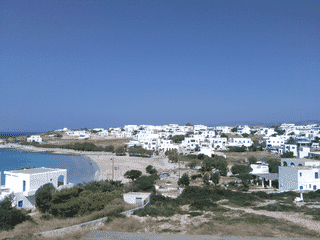
Naxos is a fertile Cycladic island with a strong farming tradition. Potatoes, citrus, olives and livestock are part of its local identity.
Island · Food · History
Did you know?
- The Portara is a marble temple gateway from the 6th century BC.
- Potatoes are a celebrated local crop.
- Halki's Vallindras distillery offers tastings of kitron citrus liqueur.
Why go?
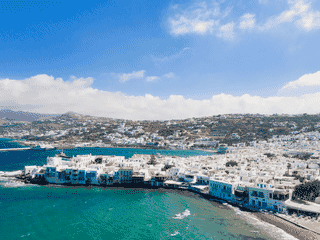
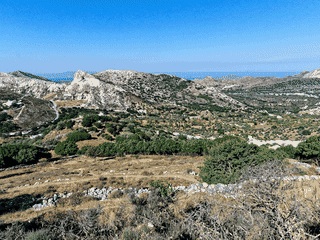
Naxos is the largest and most fertile island in the Cyclades, producing potatoes, citrus, olives, and livestock that supply much of the island group. Unlike nearby Santorini, it has escaped cruise-ship hordes because its port is too small and too close to its famous neighbor. The island combines stunning Mediterranean beaches with white granite sand, a mountainous interior full of green valleys, and ancient sites from Neolithic settlements to Ionic temples.
Getting there
Naxos is served by ferry from Piraeus (Athens), Rafina, and most other Cyclades islands including Mykonos, Paros, Santorini (Thira), and Amorgos. Ferry ticket offices line the quay in Chora. The island also has a small airport (JNX) about 3 km from Chora, with propeller planes to Athens operated by two airlines; buses run every half hour and taxis charge approximately €20 for the 6-7 minute ride.
Getting around
A well-maintained road system covers the island, making car rental the most practical option for exploring inland villages and beaches. Motorbike and ATV rentals are widely available from numerous agencies in Chora, with Giannis bike shop (www.naxosbikes.com) as a named option. Buses connect Chora with beach towns to the south and inland villages like Halki and Filoti; the bus office is located in Chora.
When to visit
The west side of the island reaches up to 30°C in summer with sea breezes preventing it from feeling too humid on the coast. The mountainous center stays noticeably cooler, and high peaks rarely see completely cloudless days. Summer storms are infrequent but when they arrive they turn marble paths into slippery surfaces. The lush green valleys set Naxos apart from its browner Cycladic neighbors. July and August are peak season requiring advance bookings; shoulder seasons offer milder weather and fewer crowds.
Where to stay
As on most Greek islands, touts meet arriving ferries offering rooms for rent with free transport; these walk-in rooms often provide the best value outside of peak summer months. Bargaining is usually possible, but confirm location before accepting as distances can add unexpected costs. Accommodations range from Plaka Camping (€7 per tent, €2 extra for tent hire) to family pensions like Anna Maria Pansion (€50-100) and luxury options like Elaiolithos Luxury Retreat near Halki (from €350). Many rooms come with cooking facilities, ideal for self-catering.
Food and drink
Naxos is famous in Greece for its potatoes and produces the richest variety of agricultural produce in the Cyclades. Local specialties include moussaka, souvlaki, and the island's famously mild feta. The local olive oils retain much more flavor than standard virgin olive oil. Meals often start with meze in early evening—similar to Spanish tapas with hummus, tzatziki, olives, and small fish. Bakeries in most villages offer spanakopita, baklava, loukoumi (Turkish delight), and syrupy chocolate cake. Supermarkets on Hora's outskirts provide self-catering essentials.
Things to do
The Apollo Temple's entrance (Portara) is Naxos's most recognizable landmark—a 6th century BC marble gate on the islet of Palatia in the harbor. The Archaeological Museum displays Bronze Age Cycladic artifacts (W-M 9:00-15:30). Hike Mount Zas (1,003 m), named after Zeus, from Aria Spring near Filoti—the well-marked trail takes 1.5-2.5 hours one way. Visit the Temple of Dionysus (Tu-Su 8:00-15:00, €2 full/€1 reduced) and the Temple of Sangri near the village of Sangri, one of the earliest Ionic temples built circa 530 BC from local marble.
Shopping
Every village has at least a small supermarket; Hora, Halki, and Glinado have larger options for self-catering. Anna's organic Shop and Garden Café offers exclusively biological products with healthy breakfasts and snacks. Vallindras Distillery in Halki produces kitron, a lemon liqueur unique to Naxos, alongside ouzo and retsina. Fish and Olive is a husband-and-wife gallery in Halki creating distinctive ceramics and painted tiles. Tereza's Greek Concept Store near Naxos Castle sells local crafts, clothing, and jewelry (10:00-22:00).
Nightlife and drinks
Naxos produces kitron, a sweet citrus liqueur made from an exotic fruit, viewable at the Vallindras distillery in Halki where different varieties can be tasted. Locals favor raki (pomace brandy similar to Italian grappa), served hot with honey as rakomelo in winter—Cafe Naxos in the port's old town serves it year-round by the fireplace or outside in summer. Naxos On the Rocks Bar between the seafront and old town offers aperitifs and pre-dinner cocktails with people-watching views.
Safety
Naxos is generally a safe island, but be aware of rental scams involving motorbikes and ATVs. Some agencies attract tourists aggressively, offering faulty vehicles at low prices with only basic insurance presented as full coverage. In case of accident, they demand full damage payment. These agencies typically have dusty, dirty, old vehicles and employees who make loud promises before signing. Always inspect any rental vehicle thoroughly before committing.
Connectivity
English and German are very common in Hora (Chora/Naxos Town); French and Italian are also widely spoken. Elderly residents in rural central areas often speak only Greek, so be prepared to point or use basic Greek phrases. ATMs are available throughout the island. Power outlets use standard European two-pin round plugs (Type C/F) at 230V/50Hz.
Go next
Ferries depart Naxos to numerous Cyclades islands and mainland ports including Aegiali and Katapola (Amorgos), Anafi, Astypalea, Donoussa, Folegandros, Heraklion (Crete), Ios, Iraklia, Kea, Kimolos, Koufonissi, Kythnos, Lavrio, Milos, Mykonos, Paros, Piraeus (Athens), Rafina, Schinoussa, Sifnos, Sikinos, Syros, Thira (Santorini), Thirasia, and Tinos. The left luggage office at the tourist agency in front of the dock operates 24 hours.
Guide text adapted from Wikivoyage contributors under CC BY-SA 4.0.
Where to start
Sleep
A1 Soula Hotel
A friendly family-run hotel 2 minutes walk from Naxos town center.
Price when recorded: dorm €10, double €20
Sleep
Adriana Hotel
Family managed hotel, quiet location of Agios Prokopios, view of white sandy beaches.
Price when recorded: €25-80
Sleep
Anna Maria Pansion
A pansion with family environment.
Price when recorded: €50-100
Sleep
Elaiolithos Luxury Retreat
An eco-friendly hotel near Halki village, honeymoon suites traditionally inspired with hand loom woven textiles, sustainable and green hotel, serves organic farm to fork food with produce from their own farms, area has plenty of hiking trails.
Price when recorded: €350-
Sleep
Hotel Naxos Resort
Island and Venetian architectural domination with hints of blue sky and sea give the Naxos Resort.
Price when recorded: €63-262
Sleep
Iria Beach Art Hotel
The hotel is comprised of 25 comfortable and fully furnished rooms and suites.
Price when recorded: €75 - 350
Sleep
Kavos Naxos
Cyc-chic boutique hotel. Villas for up to six people, stylish suites for two. Friendly atmosphere.
Price when recorded: €85-290
Sleep
Korali Hotel
12 rooms in proximity to Naxos town (Chora) centre.
Price when recorded: double €66
Before you go
Accommodation
July-August requires advance booking. Room touts at the port often offer the best value outside peak season.
Food
Naxos produces more agricultural variety than other Cyclades islands. Try kitron liqueur at Vallindras Distillery in Halki.
Language
English and German widely spoken in Hora. Rural areas may require Greek or hand gestures.
Money
ATMs available throughout the island. Cash preferred at smaller establishments and villages.
Safety
General safety is good. Beware motorbike/ATV rental scams—inspect vehicles and read contracts carefully before signing.
Transport
Car rental is best for exploring; motorbikes and ATVs available widely but inspect carefully before renting to avoid scams.
Weather
Mountains keep island greener than other Cyclades. Summer storms can make marble paths slippery.