Maya Biosphere Reserve
Mexico, Central America and the Caribbean · Guatemala
Did you know?
- Howler monkeys and toucans share the rainforest with jaguars.
- Tikal's temples rise from the jungle canopy.
- El Mirador is reached on guided treks lasting several days.
See also
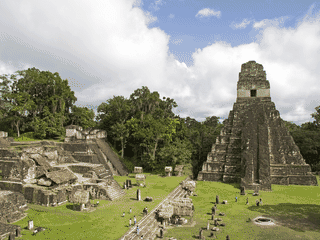

Tikal
Guatemala17.22°N 89.62°W
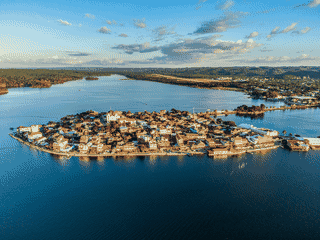

Flores
Guatemala16.93°N 89.88°W · 113 m
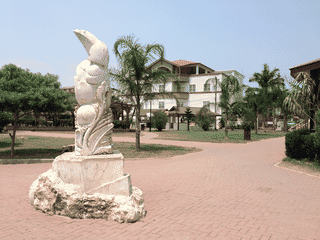

San Ignacio
Belize17.16°N 89.06°W · 76 m
Overview
The Maya Biosphere Reserve protects rainforest and important Maya archaeological sites. Tikal, Laguna del Tigre and Mirador-Río Azul are among the parks within its boundaries.
Languages: Spanish
Understand
The Maya Biosphere Reserve covers over 21,602 square kilometers (8,000 square miles) in Guatemala's Peten jungle, making it the largest tropical jungle outside the Amazon. It represents 20% of Guatemala's total national territory and is managed by CONAP (Guatemala's natural resources agency). The reserve encompasses multiple national parks including Tikal National Park, Laguna del Tigre National Park, Sierra del Lacandón National Park, and Mirador-Río Azul National Park. As a UNESCO Biosphere Reserve and Ramsar wetland, it protects both pristine rainforest and significant Mayan archaeological sites.
Adapted from Wikivoyage contributors · CC BY-SA 4.0
Why Go
The Maya Biosphere Reserve offers an extraordinary combination of ancient Mayan civilization and pristine tropical wilderness. Tikal, the most famous Mayan site in Guatemala, features towering temples emerging from the jungle canopy, while El Mirador contains the largest Mayan structure yet discovered—the La Danta pyramid. Wildlife enthusiasts can spot howler monkeys, toucans, jaguars, and over 400 bird species within the reserve's boundaries.
Adapted from Wikivoyage contributors · CC BY-SA 4.0
Climate
The reserve has a tropical monsoon climate with consistently hot and humid conditions year-round. Average temperatures hover around 27°C (80°F). The wet season runs from May through October, with the reserve experiencing rain on approximately 165 days per year. The dry season from November through April offers better conditions for archaeological site visits and wildlife viewing, though temperatures can be intense.
Adapted from Wikivoyage contributors · CC BY-SA 4.0
Get In
The primary gateway to the Maya Biosphere Reserve is the town of Flores on Lake Petén Itzá, which has a small airport with domestic flights from Guatemala City. From Flores, visitors can arrange guides or join organized tours to access remote archaeological sites and wildlife preserves not easily reached independently. El Ceibo on the Mexican border offers basic accommodation for those attempting overland crossings from Mexico.
Adapted from Wikivoyage contributors · CC BY-SA 4.0
Getting Around
Once in Flores, organized tours are the primary way to reach most archaeological sites within the reserve. Tikal can be visited on day trips from Flores, while sites like El Mirador require multi-day treks with licensed guides. Ground transportation to park entrances is typically included in tour packages. Independent travel to more remote areas requires 4x4 vehicles and local expertise.
Adapted from Wikivoyage contributors · CC BY-SA 4.0
Things To Do
At least a dozen Mayan archaeological sites lie within the reserve boundaries. Tikal offers the most developed visitor infrastructure with sunrise tours atop Temple IV. Yaxhá features over 500 structures and is less visited than Tikal. El Mirador requires multi-day hikes but rewards visitors with views of massive pyramids hidden deep in the jungle. El Peru (also known as Wakná) provides a quieter archaeological experience. Wildlife spotting in Laguna del Tigre National Park offers opportunities to see crocodiles, manatees, and abundant birdlife.
Adapted from Wikivoyage contributors · CC BY-SA 4.0
Where To Stay
Most visitors to the Maya Biosphere Reserve stay in Flores, a small island town on Lake Petén Itzá connected to the mainland by a causeway. Flores offers a range of accommodation from budget hostels to mid-range hotels, with prices significantly lower than tourist-focused alternatives in other Central American destinations. Basic rooms are available in El Ceibo for travelers crossing the Mexican border. Camping is possible at some archaeological sites with proper permits.
Adapted from Wikivoyage contributors · CC BY-SA 4.0
Safety
The main safety concern in the Maya Biosphere Reserve is petty theft in tourist areas—secure valuables and avoid displaying electronics. Remote archaeological sites require licensed guides for safety and navigation. Road conditions outside Flores can be poor, especially during wet season. Political demonstrations occasionally affect border crossings. Standard jungle precautions apply: bring antihistamines for insect bites, stay hydrated, and inform others of travel plans when visiting remote areas.
Adapted from Wikivoyage contributors · CC BY-SA 4.0
Go Next
From the Maya Biosphere Reserve, travelers can continue to Tikal for an extended visit to the famous archaeological complex, or return to Flores for its markets, lake activities, and nightlife. The Mexican border crossing at El Ceibo provides an overland route to Palenque or onward to Mexico. Domestic flights from Flores connect back to Guatemala City for travel to other regions of the country including Lake Atitlán and Antigua.
Adapted from Wikivoyage contributors · CC BY-SA 4.0
Field guide adapted from Wikivoyage contributors · CC BY-SA 4.0. Text has been adapted and organized for this guide. About our sources.
Places to know
A few starting points from the guide. Check current hours and prices before you go.
- sleep
El Ceibo Basic Rooms
Simple accommodation options for travelers crossing the Mexican border through the reserve.
Adapted from Wikivoyage contributors
- sleep
Flores Accommodations
Range of hostels and hotels on the island town of Flores serving as the main base for reserve explorations.
Recorded price: Bungalows from GTQ 200
Adapted from Wikivoyage contributors
- see
El Mirador
The largest Mayan site yet discovered, featuring La Danta pyramid—the largest structure in the Mayan world—accessible only by multi-day treks.
Adapted from Wikivoyage contributors
- see
El Peru (Wakná)
Quieter archaeological site within the reserve offering a more intimate experience with Mayan ruins and jungle.
Adapted from Wikivoyage contributors
- see
Laguna del Tigre National Park
Largest wetland in Central America within the reserve, offering wildlife spotting including crocodiles, manatees, and over 300 bird species.
Adapted from Wikivoyage contributors
- see
Tikal Archaeological Site
Guatemala's most famous Mayan site with towering temples emerging from the jungle canopy, offering sunrise tours and wildlife viewing.
Adapted from Wikivoyage contributors
- see
Yaxhá
Over 500 Mayan structures on a less-visited site near the Belize border, featuring twin pyramid complexes and excellent birdwatching.
Adapted from Wikivoyage contributors
- do
El Mirador Multi-Day Trek
3-5 day guided hike through pristine jungle to reach the massive La Danta pyramid at El Mirador.
Adapted from Wikivoyage contributors
Before you go
Connectivity
Mobile coverage in Flores and near major archaeological sites. WiFi available at hotels and cafes in Flores. Limited connectivity in remote jungle areas.
Entry
The reserve is accessed via Flores or El Ceibo on the Mexican border. No special permits required beyond park entrance fees for archaeological sites.
Money
Guatemalan Quetzal (GTQ) is the local currency. ATMs available in Flores. Cash preferred for tours and small establishments.
Transport
Flores is the main access point with daily flights from Guatemala City. Organized tours from Flores reach most archaeological sites within the reserve.
Weather
Tropical monsoon climate with 27°C average temperature and 165 rainy days per year. Dry season (Nov-Apr) is best for visits.