Overview
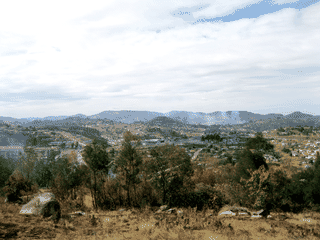
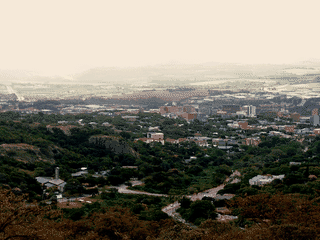
Lobamba is Eswatini's spiritual and legislative heart, where royal heritage, cultural performances, wildlife sanctuaries, and craft centers sit close together in the Ezulwini Valley. It offers a quieter base for understanding living Swazi traditions and nearby nature.
Culture · History · Wildlife · Nature · Day Trips
Did you know?
- Royal ceremonies and cultural performances keep Swazi traditions visible.
- Mlilwane combines wildlife viewing, hiking, and overnight stays in beehive villages.
- Mantenga's living museum includes 16 traditional huts and dances twice daily.
Where it is
Lobamba is 150 km west of Maputo.
Why Go
Lobamba serves as Eswatini's traditional, spiritual, and legislative heart, making it essential for travelers wanting to understand the nation's royal heritage. The town sits within the Ezulwini Valley, known as the Valley of Heaven, offering a peaceful counterpoint to the modern bustle of Mbabane. Unlike the political capital, Lobamba hosts royal ceremonies and cultural performances that showcase living Swazi traditions. Wildlife sanctuaries and handicraft centers provide diverse experiences within walking distance of each other.
Getting In
Lobamba lies roughly equidistant from Manzini and Mbabane, making both cities viable arrival points. King Mswati III International Airport sits approximately 75 km away. Transmagnific operates bus services within Eswatini, including transfers to and from the airport. Most travelers arrive via Mbabane, the political capital connected to major regional transport routes from Johannesburg and Maputo.
Getting Around
Local transport options include minibuses and shared taxis running between Lobamba, Mbabane, and Manzini. The Mantenga Cultural Village and nearby attractions can be reached via MR18 northwest from Manzini. Self-drive is feasible with a valid international driving permit. Walking is practical within the town center and between nearby attractions like the Swaziland National Museum and King Sobhuza II Memorial Park.
When To Go
The Reed Dance Festival typically draws visitors during late August or September, offering a unique window into royal ceremonies and traditional dances. Dry winter months from May to September provide comfortable temperatures for wildlife viewing and hiking. The summer rainy season from November to April brings lush green landscapes but can restrict some outdoor activities. Early morning visits to wildlife sanctuaries yield the best animal sighting opportunities.
Where To Stay
Lobamba and surrounding Malkerns offer accommodation ranging from backpacker hostels to mid-range lodges. Legends Backpackers provides a social atmosphere reminiscent of Vang Vieng with budget-friendly dorms. Sondzela Backpackers inside Mlilwane Wildlife Sanctuary offers unique wildlife viewing from traditional Eswatini-style huts. Lidwala Lodge provides cabins and camping with pool and jacuzzi at approximately $14. Mantenga Lodge near the cultural village offers superior location with outdoor pool and breakfast included for around $41.
Food And Drink
Traditional Swazi foods are available at the Mantenga Cultural Village as part of cultural experiences. Malandela's Restaurant on MR27 serves African and Western dishes on a lawn with mountain views. Local eateries around Lobamba and Malkerns offer simple but satisfying meals. Markets provide opportunities to sample local produce and prepared foods. Most lodges have restaurants serving both local and international cuisine.
Things To Do
The Mantenga Cultural Village presents a living museum with 16 traditional huts depicting Swazi life from the 1850s, plus daily traditional dances at 11:15AM and 3:15PM. Mlilwane Wildlife Sanctuary offers big game viewing, hiking in the veld, and overnight stays in beehive villages. The King Sobhuza II Memorial Park houses a glass mausoleum and small museum honoring the first king. Swaziland National Museum displays historical tools and artifacts within the capital grounds.
Buy
The Ezulwini Handicrafts Centre provides locally-made crafts and souvenirs in a dedicated shopping area. The Gables Shopping Center offers modern retail options alongside traditional goods. The Manzenga Cultural Center features curios and cultural artifacts. Handwoven textiles, carved wooden items, and traditional jewelry represent authentic Swazi craftsmanship available throughout the area.
Safety
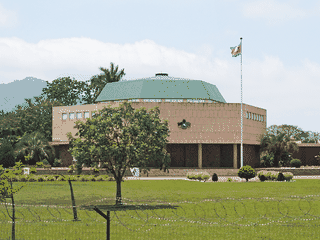
Lobamba maintains a generally safe environment for tourists, though standard precautions apply in any unfamiliar area. Wildlife sanctuaries require adherence to safety guidelines, especially around larger animals. The Swaziland National Museum area includes Parliament and National Archives within secure grounds. Nighttime travel should be done in groups or with reliable transport. Road safety requires attention as routes may include unmarked intersections and pedestrians.
Connectivity
WiFi availability varies by accommodation, with Lidwala Lodge and Mantenga Lodge confirming wifi access. Mobile network coverage exists through Swazi mobile providers. Internet cafes may be available in nearby Mbabane or Manzini for those requiring consistent connectivity. International roaming can be expensive; local SIM cards provide more affordable data access for extended stays.
Budget
Backpackers can budget around $19-41 per night for accommodation at hostels and lodges. Meals at local restaurants and cultural villages cost approximately $5-15 per person. Wildlife sanctuary entry fees vary but typically range from $10-20 for international visitors. Transport between towns via shared taxis costs minimal amounts. Daily budget excluding accommodation could range from $15-30 depending on activities chosen.
Day Trips
Mbabane, the political capital 30 km away, offers modern amenities, shopping, and government district tours. Manzini provides the largest urban center in Eswatini with markets and transport connections. The Ezulwini Valley encompasses multiple attractions easily combined in a single day of exploration. Hiking opportunities in the highveld terrain near Mlilwane offer half-day adventures.
Go Next
Manzini serves as the commercial hub and transit connection to other parts of Eswatini. Mbabane offers access to government services, larger markets, and transport north. The highveld terrain provides trekking opportunities for adventurous travelers. Regional connections lead toward the coast in Mozambique or onward to South Africa's Kruger National Park region.
Guide text adapted from Wikivoyage contributors under CC BY-SA 4.0.
Where to start
Sleep
Benka LifeStyle
Sleep
Happy Valley Hotel and Casino
Sleep
Lidwala Lodge
Cabins and camping, with a pool/jacuzzi, bar, wifi, communal kitchen, nice grounds with a view, good for backpackers or families.
Price when recorded: ~$14
Sleep
Lugogo Sun
Sleep
Mantenga Lodge
Here you can stay where all the other tourists stay. No, but, it's actually a quality place with outdoor pool, wifi, restaurant/bar, comp. breakfast, views and hiking, and superior location. This is kind of like staying at a national park lodge in the US. You should check it out.
Price when recorded: ~$41
Sleep
Royal Swazi Spa
This one is rather plush.
Sleep
Sondzela Backpackers
A very unique hostel that sits inside the Mlilwane Wildlife Sanctuary, where you can see various types of African ungulates, zebra, and other wildlife practically on your doorstep. Accommodations are in Eswatini style-huts or in the main lodge adjacent to a large pool and gardens. Here you can meet up with many backpackers from around the world and plan hikes into the highveld terrain.
Price when recorded: ~$19
Eat
Malandela's Restaurant
Well-known restaurant with lawn and terrace overlooking mountains. Serves African and Western dishes.
Before you go
Accommodation
Legends Backpackers offers social dorms; Sondzela Backpackers inside Mlilwane Wildlife Sanctuary provides unique wildlife proximity.
Activities
Mantenga Cultural Village holds daily dances at 11:15AM and 3:15PM; Mlilwane Sanctuary open 6AM-6PM for wildlife viewing and hiking.
Culture
Lobamba is the spiritual and legislative capital of Eswatini; respect for royal ceremonies and traditions is expected.
Money
Prices quoted in USD at lodges; local Lilangeni currency accepted throughout Eswatini at par with South African Rand.
Transport
Most visitors arrive via Mbabane or Manzini; Transmagnific buses connect to King Mswati III International Airport 75 km away.