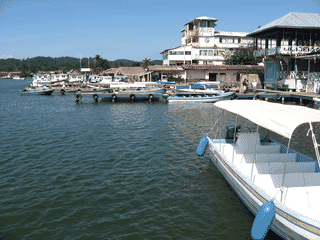

Livingston
Mexico, Central America and the Caribbean · Guatemala
Did you know?
- Tapado combines fish, prawns and shellfish in coconut milk, served with crusty bread.
- Buga Mama restaurant's profits support rural education through a tourism school.
- Los Siete Altares forms seven freshwater pools and cascades flowing toward the Caribbean.
See also
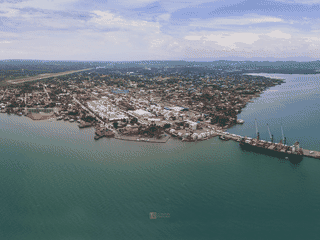

Puerto Barrios
Guatemala15.73°N 88.60°W · 2 m
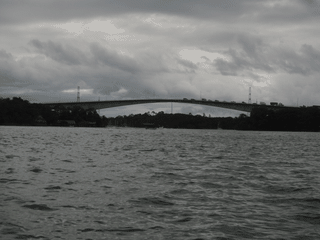

Rio Dulce
Guatemala15.66°N 89.00°W
Overview
Livingston blends Garifuna, Spanish and Maya cultures on Guatemala's Caribbean coast. Music, coconut-based cooking and nearby waterfalls make it a distinctive stop reached by boat.
Languages: Spanish
Why Go?
Livingston is one of Guatemala's most isolated towns—reachable only by boat—and offers a unique blend of Garifuna, Spanish, and Mayan cultures. The Caribbean coast here feels distinct from the rest of Central America, with traditional Garifuna music, coconut-based cuisine, and a laid-back fishing-village atmosphere. Nearby Los Siete Altares waterfalls cascade into freshwater pools perfect for swimming, while Playa Blanca offers a cleaner beach escape.
Adapted from Wikivoyage contributors · CC BY-SA 4.0
Getting In
There is no road access to Livingston; all arrivals come by boat. From Río Dulce township (intersection of CA13 and 7E), colectivos depart at 9:00 and 14:30 for 100Q per person (1-2.5 hours), or private boats cost around US$100. From Puerto Barrios, ferries leave around 11:00 and 17:00 for Q10, while colectivo lanchas run all day for Q35 (40-minute crossing). From Punta Gorda, Belize, boats depart Tuesdays and Fridays for US$17 (plus BZ$37.5 departure tax). Upon arrival from another country, check in with immigration 150m uphill from the dock to get your entry stamp.
Adapted from Wikivoyage contributors · CC BY-SA 4.0
Getting Around
Livingston is a very small town—everything centers on Calle Principal where most shops, restaurants, and bars are located. Taxis cost a flat Q20 anywhere in town (negotiate the price in advance). Boat travel is essential for reaching attractions like Los Siete Altares and Playa Blanca; agree on prices with lancheros at the Muelle Municipal dock.
Adapted from Wikivoyage contributors · CC BY-SA 4.0
When to Go
The best time to visit Los Siete Altares waterfalls is July and August when water flow is strong. Avoid the dry season (April-June) when the falls diminish significantly. Beach pollution from Belize occasionally washes ashore, especially after bad weather, though government workers clean the beaches periodically. Livingston's low season means fewer tourists but some businesses may have reduced hours.
Adapted from Wikivoyage contributors · CC BY-SA 4.0
Where to Stay
Accommodation ranges from budget hostels to mid-range hotels. Casa de la Iguana (¾ km west of the dock) offers camping for Q20, hammocks for Q20, dorms for Q45, rooms with shared bath for Q120, and private rooms for Q160, plus communal dinners and a social bar atmosphere. Hotel La Casa Rosada has a clean dorm for Q80 and individual bungalows in a garden setting. Light sleepers should bring earplugs—stray dogs and roosters create noise throughout the night.
Adapted from Wikivoyage contributors · CC BY-SA 4.0
Food and Drink
Livingston's cuisine reflects its fishing heritage and Garifuna culture. Tapado is a must-try—a rich soup of fish, prawn, and shellfish cooked in coconut milk and served with crusty bread. Grilled shrimp is cheap and widely available. Mama Norma's serves traditional coconut rice and beans with stew chicken for just Q20. For Garifuna food, try Las Tres Garifunas. The local Coco Loco (coconut with generous rum) and Guifiti (herbal rum infusion) are potent local drinks. Mc Tropic near the municipal building and La Buga at the dock entrance are popular bars with live Garifuna music some nights.
Adapted from Wikivoyage contributors · CC BY-SA 4.0
Things to Do
Los Siete Altares (Seven Altars) waterfalls lie 5km north of town—a series of seven freshwater pools and cascades flowing into the Caribbean. Boat costs Q25 each way (10 minutes), or walk 1.5-2 hours along the beach (wear proper shoes due to trash). Nearby beaches include Playa Quehueche (few kilometers north) and Playa Blanca (12km north, reachable by boat tour). The central beach is pleasant for swimming with locals, and children fly kites most evenings. Buga Mama restaurant is operated by the Sustainable Tourism School with profits funding rural education.
Adapted from Wikivoyage contributors · CC BY-SA 4.0
Safety
Dock touts can be aggressive, harassing tourists arriving without hotel bookings and steering them toward commission-based accommodations. Walk directly to hotels yourself—proprietors prefer customers who arrive independently. Some locals may ask for beer or cigarettes; a polite 'No' usually suffices. The north beach has had recorded incidents and is patrolled by armed police. Beach pollution from Belize occasionally accumulates but is cleaned periodically.
Adapted from Wikivoyage contributors · CC BY-SA 4.0
Go Next
Boats depart twice daily to Río Dulce at 9:30 and 14:30 for Q100 per person. Daily boats to Punta Gorda, Belize leave at 11am for Q250, or Tuesdays/Fridays at 7am for Q225 (get passport stamped the night before). Expect an unofficial 'departure tax' of Q80 from Guatemalan immigration—argue and refuse to pay if possible. Direct transfers to La Ceiba, Honduras (for Bay Islands ferries) cost US$35 per person through Rios Tropicales. Charter boats to Puerto Barrios run Q35. You can also visit the small fort en route to Río Dulce that once guarded a river with a chain.
Adapted from Wikivoyage contributors · CC BY-SA 4.0
Field guide adapted from Wikivoyage contributors · CC BY-SA 4.0. Text has been adapted and organized for this guide. About our sources.
Places to know
A few starting points from the guide. Check current hours and prices before you go.
- sleep
Casa Nostra
Very quaint.
Recorded price: Q 260
Adapted from Wikivoyage contributors
- sleep
Casa de la Iguana
About ¾ km west (to the left) of the dock off the main road, this is a hostel that includes a bar/restaurant and offers a communal dinner (Q45) and is very good to meet other travelers. It is quite descent food so it might be a nice alternative if you're a bit sick of eating rice and beans. Due to its position bordering on light jungle, there's some sand flies depending on the days. Possibly a good choice for those who want to party without leaving their hostel. Camping space and hammocks are available for Q20, dormitories go for Q45, rooms with shared bathroom for Q120, rooms with private bathroom for Q160. There are no window screens, so wear insect repellent or put the fan in your direction. Mosquito are not a huge problem here since the local crab population eat the larve however sand-flys can be an annoyance. There are typically movies on all day, and a local band plays drums there on occasion. The hostel even has its own rescue animal, an orphan Racoon by the name of Loco. Happy Hour from 6-8. If you are coming from Rio Dulce and want to skip dealing with the local mafia waiting for you at the dock, you can ask the boat driver to stop you at "Casa de la Iguana" and you will only need to cross the road to get there.
Adapted from Wikivoyage contributors
- sleep
Hotel Dona Alida
All rooms are clean and safe and offer a wonderful view over the bay. They are set up very comfortable and spacious with double beds, triple or four beds, providing ventilator and private bathrooms.
Recorded price: $25 double room
Adapted from Wikivoyage contributors
- sleep
Hotel El Viajero
Budget waterfront hotel with clean rooms and excellent home-cooked meals.
Recorded price: US$4 per person
Adapted from Wikivoyage contributors
- sleep
Hotel La Casa Rosada
A beautiful hotel right on the water, Casa Rosada is a great medium between backpacker and high-end hotels. They have an excellent selection of food and drink all sold on the honor system (just write what you order next to your name in the office binder). Trips leave directly from their well-maintained dock. Individual bungalows are available in the garden, but they also have a beautiful and exceptionally clean and spacious dorm (Q80) upstairs in the main building. (There's even a queen size bed for couples traveling together.) A great alternative for those looking for something nicer without springing for a private room. Speedy wifi.
Adapted from Wikivoyage contributors
- sleep
Hotel Villa Caribe
A stately complex with an outdoor pool.
Recorded price: Q 612
Adapted from Wikivoyage contributors
- eat
Buga Mama
Just south of the dock. Has great views. Fish and breakfast are well priced. Wi-Fi. This restaurant is owned by the Sustainable Tourism School and operated by youth from Mayan communities. 100% of profits are donated for rural education.
Adapted from Wikivoyage contributors
- eat
Happy Fish
Good garlic fish, and a strong fast Wi-Fi signal that reaches into some of the rooms of the Hotel Rio Dulce next door.
Adapted from Wikivoyage contributors
Before you go
Culture
Livingston has a unique Garifuna culture with traditional music, dance, and cuisine. English is widely spoken alongside Spanish and Garifuna.
Money
The local currency is Guatemalan Quetzal (Q). Many prices are quoted in Q, though some boat services quote in US dollars.
Packing
Bring insect repellent (sand flies near Casa de la Iguana), earplugs (stray dogs and roosters at night), and proper footwear for beach walks to waterfalls.
Safety
Avoid aggressive dock touts by walking directly to hotels. Politely decline requests for beer or cigarettes. The north beach has had recorded incidents.
Transport
Livingston has no road access—all transport is by boat. Colectivo lanchas from Río Dulce depart at 9:00 and 14:30 for Q100; from Puerto Barrios, colectivo boats run all day for Q35.
Weather
July-August is best for waterfall visits. Dry season (April-June) has weak water flow. Beach pollution from Belize occasionally washes ashore.