Overview
Liepāja's Seaside Park opens onto white sandy beaches. Summer cafés and windsurfing give the waterfront an active outdoor focus.
Beach · Architecture · Food
Did you know?
- Karosta's Rietumkrasts club is associated with the local windsurfing scene.
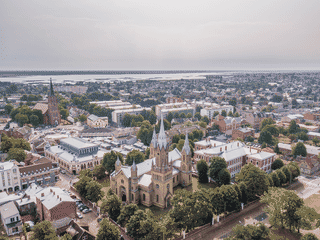
- Holy Trinity Cathedral and Saint Anne's Church both have towers with city views.
- The local nickname is 'the city where the wind is born'.
Why Go
Liepāja is Latvia's third-largest city with 70,000 residents, known locally as 'the city where the wind is born' for its constant Baltic breeze. The city offers two distinct experiences: a charming city centre with Art Nouveau and wooden architecture, and Karosta, a former secret Soviet military town with fortresses, tunnels, and an authentic prison you can actually stay overnight in. The central beach has remarkably white, soft sand and is rarely crowded—even in summer you may find yourself alone on a magnificent stretch of coast. It's a slower, more authentic alternative to Riga for travellers who want Baltic charm without the capital's prices and crowds.
Getting In
Liepāja has an airport (LIP) with seasonal connections. The main bus and railway station (Liepājas autoosta) is at Rīgas iela 71, about 1.3 km north of the river. Ecolines buses and minibuses depart to Klaipėda, Lithuania, from Kuršu iela with stops at Palanga. There is also a ferry terminal for maritime connections. Bus tickets to Klaipėda start at €4.50-5 via Ecolines or minibus.
Getting Around
Liepāja has four public transport types: tram, bus, minibus, and taxi. Tickets cost €1.50 from the driver or €0.90 in shops and Narvesen newsagents (10-ride pass for €8.50). One-day passes are €3 for unlimited rides. Trams, buses, and minibuses use the same tickets, which must be validated in yellow validators. Route maps and live traffic are available at marsruti.lv/liepaja.
When To Go
July brings Latvia's biggest music festival—the Baltic Beach Party at the central beach. September features the International Organ Music Festival (tickets €7 per concert), centred at Holy Trinity Church. May's last Sunday offers the Seeburg Viking Festival near Liepāja. Weather extremes define the seasons: July temperatures reach 30°C while January can drop to -30°C. October showcases colourful autumn foliage. Both summer and winter visits offer completely different experiences.
Where To Stay
Liepāja has accommodation for all budgets, from hostels to four-star hotels. Budget options include Pie Jāņa Brāļa (dorms from €15) with kitchen, washing machine, and WiFi, or the unique Karosta Military Detention Centre (€15) where guests sleep on wooden planks in a former Soviet prison. Mid-range choices include Hotel Līva (from €15) with modern facilities and Restaurant Upe, or Fontaine Hotel (from €25) in two historic wooden houses from 1760 and 1890. Upscale options include Europa City Amrita (€50-180) and Art Hotel Roma (€63).
Food And Drink
For budget eats, Serenāde at Pasta iela 28 serves great cakes and pastries from €0.40, while Doka Pica behind the university offers good cheap pizzas and meat dishes. Peter's market (Pētertirgus) in the city centre has indoor and outdoor sections including a basement fish market, with the best local strawberries in July. Anne's market in Jaunliepāja has a big flea market section with Soviet-era items. Nightlife includes Fontaine Palace (capacity 600) with live bands, Big7 club, and Valhalla Wine & Coffee with antique furniture and outdoor garden. Craft beer fans should visit Miezis & Kompānija with large outdoor seating.
Things To Do
The Seaside Park (Jūrmalas parks) has white sandy beaches (Blue Flag certified), three stadiums, minigolf, bowling, and summer cafeterias. Windsurfing is popular; equipment can be rented at Rietumkrasts club in Karosta. The iconic Oskars Kalpaks Bridge swings open for ships—check bridge closure times. Football fans can watch FK Liepāja play at Daugava Stadium (capacity 5,100) from April to November. Karosta offers windsurfing, the Northern Forts with underground labyrinth tours, and the Karosta Prison where you can stay overnight as a 'prisoner' in reality-show style. The Liepāja Concert Hall (Lielais Dzintars) features modern architecture with brown glass façade.
Safety
Liepāja is generally a safe city. Take standard precautions—avoid walking alone in darkness and don't leave belongings unattended in clubs, pubs, or on streets. Karosta was crime-ridden during the 1990s but is much safer now. The wind is famous in Liepāja; be careful on the 1.8 km breakwater during windy weather. Wild beaches in Karosta have steep coasts unlike the central beach with dunes.
Connectivity
Latvians, especially younger generations, generally speak some English. Russian is widely heard from Soviet-era residents. German tourists are common in summer. Useful Latvian phrases: paldies (thank you), labdien (good day), čau (hello). WiFi is available in most hotels and cafés. Latvia uses Type F electrical plugs (2-pin round).
Budget
A daily backpacker budget in Liepāja covers: dorm beds from €15-20, public transport tickets €0.90-1.50, meals at markets and cheap cafés €5-10, attractions (forts, museums) €5-15. The city offers good value compared to Riga, with cheaper accommodation and food. Daily budget of €35-50 covers accommodation, food, and activities.
Day Trips
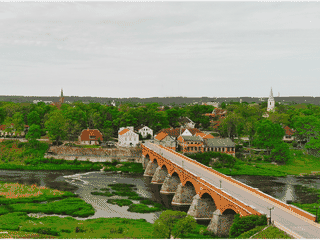
Kuldīga (100 km away) is known as the 'Venice of Latvia' with unique wooden architecture, red-tile roofs, the widest waterfall ledge in Europe, and the longest underground sand cave labyrinth in the Baltics. Ventspils (110 km north) is a tidy seaside resort with long beaches and a recreational park. Aizpute offers medieval atmosphere with castle ruins. The 100 km of Baltic coast near Liepāja has many natural beaches and forests. Pape Nature Reserve is known for wild horses and wild boar.
Etiquette
Latvia is predominantly Lutheran with Catholic and Orthodox minorities. Dress modestly when visiting churches; Holy Trinity Cathedral and Saint Anne's Church both have towers offering city views. Latvians appreciate visitors who try speaking Latvian, even basic phrases. Tipping is customary at restaurants (10-15%) but not at markets or fast food.
Go Next
Klaipėda in Lithuania is 110 km south (minibus €5, Ecolines €4.50) and is the gateway to the Curonian Spit, a 99 km stretch of sand dunes. Palanga has beach resorts en route. Ventspils offers modern seaside attractions and the busy Baltic port. Kuldīga showcases Latvia's historical architecture and natural wonders. Daugavpils has well-preserved forts similar to Liepāja's but better maintained.
Guide text adapted from Wikivoyage contributors under CC BY-SA 4.0.
Where to start
Eat
Doka Pica
A restaurant with good and cheap pizzas, meat dishes, fish - everything.
Eat
Karosta Prison Canteen
In Karosta Prison there is an authentic Soviet style canteen, but it does not operate regularly and is used by group requests only.
Eat
Kolumbs
Eat
Oskars
Eat
Palmas
Eat
Pastnieka māja
Eat
Restaurant Piano
Eat
Serenāde
Has great cakes and pastries costing €0.40.
Before you go
Beach
Central beach has white, soft sand and Blue Flag certification. Rarely crowded. Karosta beaches are wilder with pebbles and steep coasts.
Connectivity
English spoken by younger Latvians. Russian widely used. German heard in tourist areas in summer. WiFi in most hotels and cafés.
Culture
Known as 'the city where the wind is born.' Karosta was a secret Soviet military town until 1990s. Lutheran, Catholic, and Orthodox churches coexist.
Food
Peter's market best for local produce; July strawberry season. Soviet-style canteen at Karosta Prison available by group booking.
Language
Official language is Latvian. Useful phrases: paldies (thank you), labdien (good day), čau (hello).
Money
Euro (€) is the currency. ATMs available throughout the city. Credit cards accepted in hotels, restaurants, and shops. Cash preferred at markets.
Safety
Generally safe. Standard precautions apply. Karosta much safer than 1990s but still less polished than city centre. Beware wind on breakwaters.
Transport
Single tickets €0.90 in shops, €1.50 from drivers. Day pass €3. Trams, buses, minibuses use same tickets and must be validated.
Weather
July can reach 30°C; January drops to -30°C. October has beautiful autumn foliage. Both winter and summer offer completely different experiences.