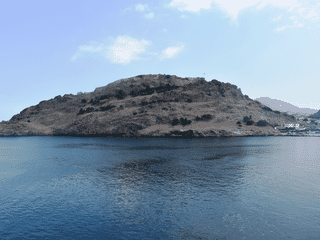

Lemnos
Eastern Europe and the Balkans · Greece
Did you know?
- Aliki salt lake attracts birdwatchers looking for flamingos.
- Flomaria are the island's traditional egg noodles.
- Falakro is known for volcanic rock formations.
See also
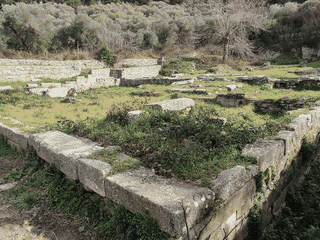

Thasos
Greece40.68°N 24.65°E · 1,205 m
Gökçeada
Turkey40.16°N 25.84°E · 672 m
Eceabat
Turkey40.18°N 26.35°E · 0 m
Overview
Lemnos combines long sandy beaches with a hilly, open landscape. Archaeological sites, volcanic rock formations and salt lakes add variety to an island stay.
Languages: Greek
Why go?
Lemnos is the ninth largest Greek island (~480 km²) and offers a refreshing alternative to crowded tourist hotspots. Unlike its mountainous neighbors Thasos and Samothrace, Lemnos is hilly and barren with long sandy beaches that remain uncrowded even in summer. The island blends archaeological treasures (Neolithic settlements, ancient theatres, mystery cult sanctuaries) with natural wonders (volcanic rock formations, Greece's largest sand dunes, salt lakes). Life here is still authentic, based on agriculture rather than mass tourism, giving visitors a genuine taste of Aegean island living.
Adapted from Wikivoyage contributors · CC BY-SA 4.0
Get in
Lemnos is reached primarily by ferry from Athens (via Kavala) or from other North Aegean islands. The ferry port is at Myrina. Aegean Airlines operates daily flights from Athens (about 40 minutes), with extra charter flights during summer. The airport is about 40 minutes from Myrina. Taxis from the airport to Myrina cost around €40 as of May 2022. Car rentals start from €20-25 per day.
Adapted from Wikivoyage contributors · CC BY-SA 4.0
Getting around
Public transport is sparse – buses run only twice daily from Myrina to villages, typically at 12:00 and 14:30, often one-way routes. Taxis are widely available for airport transfers and village connections. Car rental (€20-25/day) is the most practical option for exploring. Roads between villages are sealed, but many scenic spots require dirt roads. Walking from the new port to Myrina town centre takes about 15 minutes.
Adapted from Wikivoyage contributors · CC BY-SA 4.0
When to go
The best time to visit Lemnos is May through late July and from mid-August through October. During the first two weeks of August, many Greeks return to their home villages, making the island busier with locals. From mid-August, strong winds arrive – welcome news for windsurfers and kitesurfers who flock to Keros Beach, but potentially disruptive for beach-goers seeking calm conditions.
Adapted from Wikivoyage contributors · CC BY-SA 4.0
Where to stay
Most accommodation consists of small apartments, pensions, and traditional villas. The west coast around Platy and Androni has the highest concentration of tourist facilities, including 3- to 5-star hotels. Myrina offers the widest range of options with proximity to the port, restaurants, and nightlife. Early booking via email or fax is recommended for July and August. Budget travelers will find rooms, studios, and hostels scattered across villages.
Adapted from Wikivoyage contributors · CC BY-SA 4.0
Food and drink
Lemnos excels in simple but plentiful seafood and meat dishes. Taverns in every village serve fresh catch and local meat inspired by broader Greek cuisine. Specialty spots include Kotsinas for fish by the sea, Tsimandria for roast meat and wine, and Sardes for traditional recipes (try rooster with handmade pasta). The island produces excellent wine – especially white Muscat of Alexandria and a local red – plus unique egg noodles called Flomaria and thyme honey (though natural honey is increasingly rare due to demand). Myrina has a few more upscale options, including Italian restaurants.
Adapted from Wikivoyage contributors · CC BY-SA 4.0
Things to do
Lemnos offers diverse activities: archaeological sites like Poliochni (a thriving Bronze Age city), Ifestia (mystery cult sanctuary), and Kavirion (temple to the Great Gods with the Cave of Philoctetes nearby); natural attractions including the Gomati sand dunes ("the only desert in Europe"), Aliki salt lake (birdwatching with flamingos), and Falakro volcanic rock formations. Beach activities range from swimming at uncrowded coves to windsurfing/kitesurfing at Keros Beach (Greece's top spot). Cycling is growing in popularity as the island is relatively flat.
Adapted from Wikivoyage contributors · CC BY-SA 4.0
Safety
Lemnos is generally a safe destination with low crime. The main practical concern is the active Greek military bases – photography is forbidden near the airport area. Beach access roads in remote northern areas are often unmarked due to military reasons; check routes on Google Earth before venturing out. Strong winds from mid-August can make some beaches hazardous for swimming but are ideal for water sports.
Adapted from Wikivoyage contributors · CC BY-SA 4.0
Connectivity
Internet access is readily available in Myrina's cafés and public spaces. Most tourist businesses throughout the island offer free WiFi, though it may be limited. For reliable connectivity, consider purchasing a Greek SIM card (Cosmote, Vodafone, or Wind) at the airport or in Myrina.
Adapted from Wikivoyage contributors · CC BY-SA 4.0
Budget
Daily budget for a backpacker on Lemnos runs approximately €50-70, including dorm accommodations (€15-25/night), meals at tavernas (€10-15/day), local transport with rental car split between travelers (€10-15/person/day), and activities. Self-catering with supermarket purchases brings daily food costs down to €8-12. Ferries and flights to/from the island add significantly to overall trip cost.
Adapted from Wikivoyage contributors · CC BY-SA 4.0
Day trips
Agios Efstratios island can be visited as a side trip via small ship tours departing from Lemnos. The nearby Turkish island of Imvros (Gökçeada) is visible from Plaka beaches. The archaeological site of Ifestia combines well with nearby beaches for a half-day excursion. Moudros, the second-largest town with its historic WWI/WWII harbor, makes for a pleasant afternoon visit.
Adapted from Wikivoyage contributors · CC BY-SA 4.0
Etiquette
Greek hospitality norms apply – locals appreciate polite greetings and attempts at basic Greek phrases. Dress modestly when visiting churches and religious sites. Village kafenios (traditional cafés) welcome visitors who observe local customs. Tipping is appreciated but not obligatory at tavernas.
Adapted from Wikivoyage contributors · CC BY-SA 4.0
Go next
Ferries connect Lemnos to Kavala on the mainland, as well as to Lesbos, Agios Efstratios, and Imvros islands. From Kavala, travelers can continue to Thasos island or head south to Thessaloniki. Flights back to Athens depart daily for onward connections throughout Greece.
Adapted from Wikivoyage contributors · CC BY-SA 4.0
Field guide adapted from Wikivoyage contributors · CC BY-SA 4.0. Text has been adapted and organized for this guide. About our sources.
Places to know
A few starting points from the guide. Check current hours and prices before you go.
- eat
Agios Xaralampos
The food is average, but because of the special possibility to watch the sunset over the bay at dinner is recommended.
Adapted from Wikivoyage contributors
- eat
Cafe Cave
Recommended because of the special location in a cave by the sea, cafe and restaurant.
Adapted from Wikivoyage contributors
- eat
Ennia Poches
Very well-known restaurant in the village square of Lychna.
Adapted from Wikivoyage contributors
- do
Agios Ermolaos Beach
This quiet and partly rocky beach is known for its breathtaking barren landscape and is near the village Propouli. North of Propouli there are a whole series of bays surrounded by magnificent nature. Not all are easy reachable, but to going on a “discovery tour” you will enjoy unforgettable lonely bizarre landscapes. Because nothing is signposted and good maps hardly available (because of military reasons) it's advisable to check the landscape on Google Earth before going there. It is one of the "must see" locations of Lemnos.
Adapted from Wikivoyage contributors
- do
Agios Ioannis Beach
The long sandy beach of Agios Ioannis is surrounded by volcanic rocks, has fine sand and crystal clear water. A tavern is on the beach offers fresh fish and seafood.
Adapted from Wikivoyage contributors
- buy
Agora (Market Street) Myrina
Worthwhile shopping street with clothing and jewellery shops alongside the waterfront market.
Adapted from Wikivoyage contributors
- do
Avlonas Beach
Avlonas is one of the closest beaches to Myrina and still reachable on foot. It is not crowded, has a couple of beach facilities and is known for its clear water. Also a space for beach volley exists. Opposite of the beach are some volcanic rocks what makes the beach attractive for snorkelling and fishing. Avlonas is quieter than the beaches in Myrina.
Adapted from Wikivoyage contributors
- do
Birdwatching
Lemnos is a stopover of bird migration. The salt lake Aliki and the marshland at Chortolimni are the best sites for observing.
Adapted from Wikivoyage contributors
Before you go
Connectivity
Free WiFi at most tourist businesses. For reliable internet, buy a Greek SIM card from Cosmote, Vodafone, or Wind in Myrina or at the airport.
Food
Try local specialties: Flomaria egg noodles, Lemnos wine (especially Muscat of Alexandria), and thyme honey. Fish tavernas cluster at Kotsinas, traditional dishes at Sardes.
Money
Greece uses the euro (€). ATMs available in Myrina and larger villages. Most tavernas and shops accept cards, but cash is useful in smaller establishments.
Safety
Generally very safe island. Military areas near the airport have restricted photography. Remote northern beaches may have unmarked roads – research routes beforehand.
Transport
Buses run only twice daily from Myrina to villages, so renting a car (€20-25/day) is the most practical way to explore. Ferry connects to Kavala and North Aegean islands.
Weather
Best visited May-July or mid-August through October. Strong Meltemi winds arrive from mid-August – great for windsurfing but can disrupt beach plans.