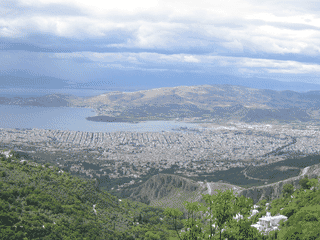
Overview
Larissa is Greece's 4th largest city with 162,591 residents, sitting in the agricultural heartland of Thessaly between Athens (355 km south) and Thessaloniki (150 km north). Despite its size and historical significance, it sees few tourists, offering an authentic Greek urban experience without crowds.
Architecture · Budget Travel · History · Museums · Nightlife
Before you go
Connectivity
Greek is the primary language; English is limited outside tourist areas. Mobile coverage is good for major Greek carriers.
Emergency
European emergency number 112 works throughout Greece. University Hospital is southwest; Larissa General Hospital is northeast.
Food
Restaurants serve dinner 21:00-24:00. Taverns and most restaurants close during daytime hours. Fast food is available all day.
Money
Greece uses the Euro (€). ATMs are widely available in the city centre. Credit cards are accepted at most hotels, restaurants, and shops.
Shopping
Shops open 09:00-14:00 Mon-Sat, with evening hours Mon/Wed/Fri 18:00-21:00. Sundays only cafes and kiosks are open.
Transport
Larissa railway station is 1 km south of the city centre. Main bus station is at Georgiadou & Olympou streets. Secondary station serves Trikala and Meteora.
Weather
Summers are hot; winter bars close in summer. June can be extremely hot for outdoor activities like the 10-km Ippokratios Agonas Dromou run.