
Jingzhou
East Asia · China
Did you know?
- Regional specialties include fish cake, stuffed lotus root, and steamed pork.
- The ancient city covers 4.5 km² and has nine gates and two towers.
- This 6,000-year-old city was once the capital of Chu.
See also
Zhangjiajie
China29.12°N 110.48°E
Overview
A 6,000-year-old city on the middle Yangtze, Jingzhou carries deep Chu and Three Kingdoms associations. Its ancient city, gates, towers, museums, and regional food reward a slower cultural stop.
Languages: Chinese
Why go?
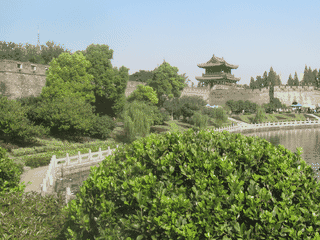
Jingzhou is a 6,000-year-old city on the middle reaches of the Yangtze River in Hubei Province, famous as the capital of the State of Chu during the Spring and Autumn and Warring States periods. Today it offers one of the best-preserved ancient city walls in southern China, with an intact three-layer defense system of earthen walls, brick walls, and a surrounding moat dating to Ming and Qing dynasties. The city is a major Three Kingdoms pilgrimage site with multiple Guandi temples honoring Guan Yu, plus access to Hubei's first national archaeological park at the Chuwang Chariot and Horse Formation. Compared to tourist-heavy destinations, Jingzhou provides authentic historical atmosphere with fewer crowds and lower prices.
Adapted from Wikivoyage contributors · CC BY-SA 4.0
Getting in
Jingzhou Shashi Airport (荆州沙市机场) is a regional airport about 20 km from the city center, serving limited routes. The main arrival point is Jingzhou Railway Station (荆洲站) on the Ning–Rong Railway, a first-class passenger station with 4 platforms and 9 tracks located on Jingchu Avenue in Jingzhou District. For buses, the Jingzhou Passenger Transport Hub on the east side of the railway station operates 69 intercity and provincial routes with shuttle buses to the railway station. The Shashi Long-Distance Bus Station at No. 190 Beijing West Road in Shashi District provides additional intercity options.
Adapted from Wikivoyage contributors · CC BY-SA 4.0
Getting around
Jingzhou relies primarily on buses, taxis, and ride-hailing services for transportation. Most attractions are concentrated in the Jingzhou Ancient City and Shashi urban areas, making public transportation sufficient for visiting major tourist sites. Bus routes 1, 14, and 15 serve Zhang Juzheng Former Residence area near the ancient city gates, while routes 19, 51, and 14 access Binyang Tower at the east gate. Local buses operate throughout the day with stops near major attractions including Jingzhou Museum, Zhongshan Park, and Zhanghua Temple.
Adapted from Wikivoyage contributors · CC BY-SA 4.0
When to go
Jingzhou has a humid subtropical monsoon climate with hot, rainy summers and cool, dry winters. The annual average temperature is 16–17°C, with rainfall of 1,100–1,300 mm concentrated between May and September. A rainy period usually lasts from late June to mid-July with occasional heavy rain. Spring (March–May) and autumn (September–November) offer mild, pleasant weather ideal for sightseeing. Winter brings the Jingzhou Fish Cake Festival in Gong'an County with winter fishing ceremonies and cooking events. Spring features the Jingzhou Peach Blossom Festival with blooming orchards and folk performances, while summer hosts the Jingzhou Lotus Festival with boat rides through lotus ponds.
Adapted from Wikivoyage contributors · CC BY-SA 4.0
Where to stay
Accommodation in Jingzhou ranges from mid-range hotels around ¥248–¥333 per night to higher-end options. The Days Hotel by Wyndham Jingzhou Jinlong at No. 37 Jinlong Road in Shashi District offers 93 smart guest rooms with panoramic windows from ¥329, featuring fitness center, self-service laundry, and Chinese and Western restaurants. The Ji Hotel at 224 Beijing East Road provides modern rooms with voice-controlled lighting and curtains from ¥248. For cultural immersion, the Manxin Mansion Hotel near Jingzhou Ancient City is themed around Chu culture with traditional Eastern façades and modern amenities from ¥303, some rooms with private hot-spring tubs.
Adapted from Wikivoyage contributors · CC BY-SA 4.0
Food and drink
Jingzhou cuisine reflects the rich culinary traditions of the Jingchu region, emphasizing freshness and taste. Local specialties include fish cake (鱼糕 yúgāo), stuffed lotus root, and粉蒸肉 (fěnzhēngròu). Breakfast culture is strong with long-running noodle shops like Xiyuan Noodle House (西园面馆) on Gongnong Road serving Zaotang noodles and Dalian noodles from ¥14 per person. Huangjiatang Rice Noodles (黄家塘米粉) at Beijing Middle Road offers smooth rice noodles in beef bone broth from ¥15. For late-night dining, Zhang Youcai BBQ Stall on Gongnong Road serves charcoal-grilled dishes and claypot stews from ¥55 per person. Wuyi Road and Dasaixiang Alley are food streets with rice noodles, liangxia jelly, pan-fried dumplings, and hot pot. Traditional drinks include liangxia (凉虾), a pea starch drink with sweet tea syrup and mint from ¥5, and miniang (米酿), sweet fermented rice drink available warm or cold.
Adapted from Wikivoyage contributors · CC BY-SA 4.0
Things to do
The Jingzhou Ancient City (荆州古城) covers 4.5 km² with nine gates and two towers, built during Warring States period and rebuilt in 1646, free to enter and open 24 hours. Binyang Tower (宾阳楼) at the east gate displays Three Kingdoms-themed statues and weapons for ¥35, open 08:00–21:00. The Guandi Temple (关帝庙) at No. 48 Aimin Road, one of China's four major Guanyu memorial sites, costs ¥20 and hosts temple fairs in the first lunar month and on the 13th day of the fifth lunar month. Jingzhou Museum at 166 Jingzhong Road displays Paleolithic, Neolithic, Eastern Zhou, Qin, and Han dynasty relics for free, open 09:00–17:00 (closed Mondays). The Chuwang Chariot and Horse Formation Scenic Area, Hubei's first national archaeological park, features the royal tomb complex of the Chu Kingdom with over 3,000 cultural relics for ¥85, open 08:30–17:00. For entertainment, Jingzhou Fantawild Oriental Heritage theme park at No. 1 Fantawild Road offers 41 indoor and outdoor attractions themed on Chinese history from ¥199–¥280.
Adapted from Wikivoyage contributors · CC BY-SA 4.0
Safety
Jingzhou is generally a safe city for travelers. Standard urban precautions apply: watch belongings on crowded buses and at tourist sites, and use registered taxis or ride-hailing apps rather than hailing unmarked vehicles. The Yangtze River area requires caution near riverbanks and during flood season (typically July–August). During the rainy period from late June to mid-July, occasional heavy rain may cause localized flooding—check weather conditions before visiting outdoor attractions like Wanshou Park along the river.
Adapted from Wikivoyage contributors · CC BY-SA 4.0
Connectivity
Mobile coverage is extensive throughout Jingzhou with 4G networks available from major Chinese carriers. WiFi is commonly available in hotels, restaurants, and shopping centers. The standard power outlets in China are Type A, I, and C with 220V/50Hz frequency. International roaming is available for most global carriers, though purchasing a local SIM card from China Mobile, China Unicom, or China Telecom is more economical for extended stays.
Adapted from Wikivoyage contributors · CC BY-SA 4.0
Budget
Jingzhou offers excellent value for budget travelers. Local meals cost ¥14–¥72 per person depending on venue, with street food and noodle shops at the lower end. Attractions range from free (Jingzhou Ancient City, Jingzhou Museum, Zhongshan Park) to ¥85 for the Chuwang Chariot and Horse Formation. Mid-range hotels start around ¥248–¥333 per night. Local transportation via bus costs a few yuan per ride, while taxis and ride-hailing are economical. A daily budget of ¥150–¥250 covers accommodation, meals, local transport, and one or two paid attractions.
Adapted from Wikivoyage contributors · CC BY-SA 4.0
Day trips
The Chuwang Chariot and Horse Formation Scenic Area in Jingzhou District, about 20 km from the city center, offers the royal tomb complex of the Chu Kingdom with over 3,000 cultural relics for ¥85. Honghu Wetland National Nature Reserve, 60 km from downtown Jingzhou in Honghu City, features freshwater wetland ecosystems with lakeside paths and water routes for ¥70. Wanshou Park in Shashi District provides riverside promenades with views of the Yangtze and city skyline, free entry.
Adapted from Wikivoyage contributors · CC BY-SA 4.0
Go next
Danyang, two hours away by bus, is worth a day trip for Three Kingdoms fans—it houses the mausoleum of Guan Yu's body (his head rests in Luoyang) plus a hill with life-sized painted statues of main Three Kingdoms figures. Yichang, the gateway to the Three Gorges, is easily accessible from Jingzhou with stunning landscapes along the 232 km Yangtze River stretch including Three Gorges Family, Qingjiang Gallery, and Three Gorges Waterfall, plus 2,400 years of Chu culture heritage. Enshi, reachable by high-speed train in 2–3 hours, offers scenic mountains, Enshi Grand Canyon, and unique Tujia ethnic culture. Zhangjiajie, about 400 km via the G55 Erguang Expressway (roughly 6 hours by car), features pillar-like rock formations at Zhangjiajie National Forest Park and Tianmen Mountain.
Adapted from Wikivoyage contributors · CC BY-SA 4.0
Field guide adapted from Wikivoyage contributors · CC BY-SA 4.0. Text has been adapted and organized for this guide. About our sources.
Places to know
A few starting points from the guide. Check current hours and prices before you go.
- sleep
Days Hotel by Wyndham Jingzhou Jinlong
The hotel offers 93 smart guest rooms, some featuring panoramic windows and separate wet and dry bathrooms. Facilities include a fitness center, self-service laundry, accessible amenities, Chinese and Western restaurants, meeting rooms, and banquet halls. Services such as a 24-hour front desk, luggage storage, and car-hailing assistance are available.
Recorded price: ¥329
Adapted from Wikivoyage contributors
- sleep
Ji Hotel
Ji Hotel is a mid-range hotel with modern facilities. Rooms include various types and are equipped with voice-controlled systems for lighting and curtains. Public facilities include a fitness room, self-service laundry and a business lounge.
Recorded price: ¥248
Adapted from Wikivoyage contributors
- eat
Cowherd Folk Cuisine Restaurant (Jingnan Road)
Specializes in rural-style dishes with large portions, featuring items such as braised beef brisket with bamboo shoots, spicy yellow catfish, and Hakka tofu, representing local rural food traditions.
Recorded price: ¥55 (per person on average)
Adapted from Wikivoyage contributors
- eat
Dasaixiang Alley
A historic alley dating back to the Yuan dynasty and renamed during the Ming dynasty. It now functions primarily as a dining area with numerous restaurants and food stalls offering Jingzhou-style cuisine. Many items are prepared using traditional methods.
Recorded price: ¥31 (per person on average)
Adapted from Wikivoyage contributors
- eat
Grandma’s Hometown (Ancient City Branch)
Offers Jingchu-style home cooking using local ingredients, with dishes such as fish cake and stuffed lotus root, centered on regional household cuisine.
Recorded price: ¥56 (per person on average)
Adapted from Wikivoyage contributors
- eat
Huangjiatang Rice Noodles (Main Store)
Serves smooth, elastic rice noodles in slow-simmered beef bone broth, with options including braised beef, offal, or intestines, reflecting traditional rice noodle practices and local flavors.
Recorded price: ¥15 (per person on average)
Adapted from Wikivoyage contributors
- eat
Jingzhou Crayfish King (Xintiandi Branch)
Focuses on crayfish dishes such as oil-braised shrimp, steamed shrimp, and shrimp balls, highlighting local crayfish cuisine. It becomes busy during peak seasons, with a menu centered on various crayfish preparations.
Recorded price: ¥72 (per person on average)
Adapted from Wikivoyage contributors
- eat
Laojie Fang Restaurant
An established restaurant offering Jingzhou home-style dishes such as fish cake, stuffed lotus root, braised tofu sheets with pork, and stir-fried dishes. Ingredients are sourced locally, and seasonal items—like lotus seed soup in summer and pork rib lotus root soup in winter—are part of the rotating menu.
Recorded price: ¥67 (per person on average)
Adapted from Wikivoyage contributors
Before you go
Culture
Jingzhou is the birthplace of Chu culture and a major Three Kingdoms heritage site. Multiple temples honor Guan Yu. Temple fairs are held annually on lunar calendar dates.
Food
Local cuisine emphasizes freshness and regional flavors. Fish cake (鱼糕), rice noodles, and Chu-style dishes are specialties. Street food areas include Wuyi Road and Dasaixiang Alley.
Language
Mandarin Chinese is the primary language. Local dialect varies from standard Mandarin. English signage is limited outside major attractions and hotels.
Money
China's currency is the Chinese Yuan (CNY/¥). Cash and mobile payment (WeChat Pay, Alipay) are widely accepted. ATMs are available near banks and shopping centers.
Transport
Jingzhou Railway Station connects to the Ning–Rong Railway network. Buses and taxis serve the city, with major attractions accessible by public transit. Ride-hailing apps like Didi operate throughout the city.
Visa
Most visitors to China require a visa. Check current entry requirements based on your nationality before travel.
Weather
Humid subtropical climate with hot summers (June–August, 30–32°C average) and cool winters (December–February, 8–11°C average). Rainy season from late June to mid-July. Spring and autumn offer the most comfortable sightseeing conditions.