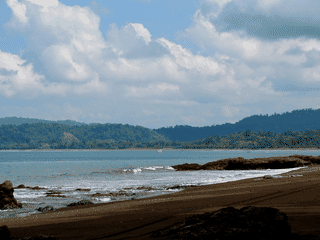

Drake Bay
Mexico, Central America and the Caribbean · Costa Rica
Did you know?
- Caño Island combines snorkeling with pre-Columbian stone spheres.
- Horseback outings reach Naguala Waterfall in Los Planes.
- Sea kayaking explores the Rio Agujitas.
See also
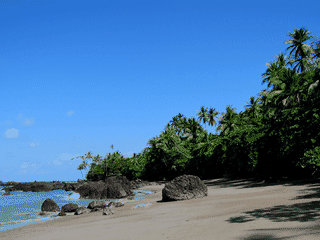

Corcovado National Park
Costa Rica8.55°N 83.58°W · 63 m
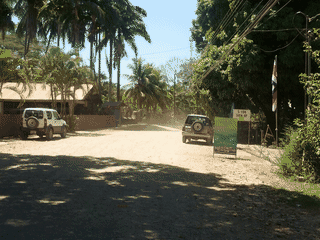

Dominical
Costa Rica9.25°N 83.87°W
Overview
Rainforest meets the ocean around this quiet village. Wildlife watching and snorkeling at Caño Island offer contrasting ways to explore the coast around Drake Bay.
Languages: Spanish
Why Go?
Drake Bay is a remote, off-grid destination on the Osa Peninsula offering access to Corcovado National Park, Costa Rica's largest and most biodiverse park. The area features pristine beaches where rainforest meets the ocean, excellent wildlife viewing including coatis, anteaters, monkeys, and toucans, plus world-class snorkeling at Caño Island Biological Reserve. This quiet village appeals to adventurous travelers seeking nature immersion away from tourist crowds.
Adapted from Wikivoyage contributors · CC BY-SA 4.0
Getting In
Fly to Drake Bay Airport via Sansa or private charter from San José (15 kg luggage limit), then taxi/boat to town. Drive only with 4x4 via Chacarita on the Inter-American Highway—roads are gravel and bridges were completed in 2021. Public transport: Take TRACOPA Bus from San José to Sierpe (8:30 departure), then public boat at 11:30 or 16:00 to Agujitas ($20). From Puerto Jiménez, bus to La Palma then twice-daily to Agujitas (11:00 and 16:00).
Adapted from Wikivoyage contributors · CC BY-SA 4.0
Get Around
Drake Bay is walkable—explore Agujitas main town and nearby beaches on foot. Tours typically arrange boat transport through hotels. For longer distances, ask locals for rides or hire a collective taxi; almost anyone with a car also operates as an informal taxi driver.
Adapted from Wikivoyage contributors · CC BY-SA 4.0
When To Go
December through April is dry season—ideal for Corcovado hikes though trails can still be muddy. May through November is wet season with daily downpours; some roads become difficult and boats run less frequently. October has minimal boat service. December to March offers the best chance for dolphin and whale watching tours.
Adapted from Wikivoyage contributors · CC BY-SA 4.0
Where To Stay
Accommodation is primarily eco-lodges and cabins scattered around Agujitas village. Options include Jinetes de Osa (nine-room lodge on black beach), Cabinas Mirador Lodge (mid-range with Drake Bay views and meals), La Paloma Lodge (eco-lodge with Pacific sunset views), and budget options like Tesoro Verde Hostel in Los Planes (cooking facilities, camping, free rainforest reserve access). Amaya Family Cabins offer beachfront eco-resort near Corcovado's northern border. Most lodges include tour arrangements and meals.
Adapted from Wikivoyage contributors · CC BY-SA 4.0
Food And Drink
Dining options are limited—most travelers eat at their hotels which typically offer full meal plans. In Agujitas, several small sodas serve local food and fresh fish. La Jungla Bar (locally called Tureca) offers drinks with rainforest views; Jade Mar across the street serves food and drinks. Other bars may only operate during high season. Budget approximately $15-25 per meal at establishments.
Adapted from Wikivoyage contributors · CC BY-SA 4.0
Things To Do
Corcovado National Park is the main attraction with three accessible ranger stations: San Pedrillo (1-hour boat or 4-hour hike from Drake Bay, features a waterfall with swimming hole), Sirena (2.5-hour boat ride or 13-16 km strenuous beach hike), and La Leona (most southern station). Caño Island offers excellent snorkeling and scuba diving with pre-Columbian stone spheres. Other activities include dolphin/whale watching tours, sea kayaking on Rio Agujitas, horseback riding to Naguala Waterfall in Los Planes, and birdwatching. The poison dart frog tour with Martin in Agujitas is popular.
Adapted from Wikivoyage contributors · CC BY-SA 4.0
Safety
Drake Bay is generally safe with low crime. Standard jungle precautions apply: watch for slippery trails during wet season, river crossings can be hazardous, and bring anti-venom precautions for hikes (though snake encounters are rare). The town is off-grid with no ATM, bank, or post office—bring sufficient cash. Sun protection and insect repellent are essential.
Adapted from Wikivoyage contributors · CC BY-SA 4.0
Connectivity
This is an off-grid destination with very limited connectivity. There is no ATM or bank in the area. Cellular coverage is spotty to nonexistent. WiFi, if available, is only at some hotels and is typically slow. Travelers should plan to be disconnected and arrange any banking needs before arrival.
Adapted from Wikivoyage contributors · CC BY-SA 4.0
Budget
Drake Bay is expensive due to its remoteness. Budget travelers should expect: $10-20 for meals at sodas, $15-25 at restaurants/bars, $50-100+ for lodging in budget hostels, $80-200 for mid-range eco-lodges. Activities cost $50-150 per tour (Corcovado, snorkeling, diving). Budget $60-150 daily excluding accommodation.
Adapted from Wikivoyage contributors · CC BY-SA 4.0
Go Next
The primary onward journey is backpacking through Corcovado National Park—adventurous travelers can arrange one-way trips between ranger stations with boat pickups. Scuba divers continue to Caño Island. From Sierpe, buses connect to Puerto Jiménez (gateway to Corcovado's southern entrance) or onward to Manuel Antonio. Charter flights from Drake Bay Airport connect to San José.
Adapted from Wikivoyage contributors · CC BY-SA 4.0
Field guide adapted from Wikivoyage contributors · CC BY-SA 4.0. Text has been adapted and organized for this guide. About our sources.
Places to know
A few starting points from the guide. Check current hours and prices before you go.
- sleep
Amaya Family Cabins
Local Tico-owned and -operated eco-resort on the beachfront portion of the Amaya family farm (37 hectares).
Adapted from Wikivoyage contributors
- sleep
Cabinas Mirador Lodge
Mid-range lodge with Drake Bay views, amazing sunsets, three meals daily, tours and hiking.
Adapted from Wikivoyage contributors
- sleep
Jinetes de Osa
Nine-room lodge in Agujitas facing black beach with tours, meals, and dive packages.
Adapted from Wikivoyage contributors
- sleep
La Paloma Lodge
Eco-lodge in wild jungle with great views overlooking the Pacific Ocean.
Adapted from Wikivoyage contributors
- sleep
Rio Drake Lodge
At the airport in front of the beach, best sunsets.
Adapted from Wikivoyage contributors
- sleep
Tesoro Verde Hostel
You can cook your own, have all included or camp. Free use of private rainforest reserve.
Adapted from Wikivoyage contributors
- eat
La Gorra Bar
Bar on the hill with limited menu and panoramic views.
Recorded price: $5-12 USD
Adapted from Wikivoyage contributors
- eat
Sodas in Agujitas
Small local eateries serving fresh fish and traditional Costa Rican food.
Recorded price: $8-15 USD
Adapted from Wikivoyage contributors
Before you go
Accommodation
Hotels and eco-lodges dominate; few budget options. Most include meals or meal packages. Book ahead during dry season (December-April).
Connectivity
Extremely limited—off-grid destination. No reliable WiFi. Disconnect and enjoy nature. Arrange banking before arriving.
Money
No ATM or bank in Drake Bay. Bring all cash needed from larger cities like Puerto Jiménez or Palmar Norte. US dollars and Costa Rican colones widely accepted.
Packing
Pack for mud and water: quick-dry clothing, water shoes, rain gear, insect repellent, sunscreen, cash. 15 kg luggage limit on flights.
Safety
Low crime area. Jungle hazards include slippery trails, river crossings, and wildlife. No medical facilities in town—nearest hospital is in Palmar Norte.
Transport
Public boats from Sierpe to Agujitas depart at 11:30 and 16:00 (except October). Only 4x4 vehicles can drive to Drake Bay. Hotel boats arrange most tour transport.
Weather
Dry season (Dec-Apr) best for hiking. Wet season brings daily rains and muddy trails. "Dry season" is subjective—always prepare for wet conditions.