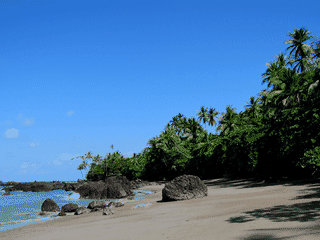

Corcovado National Park
Mexico, Central America and the Caribbean · Costa Rica
Did you know?
- Scarlet macaws and squirrel monkeys share the protected rainforest.
- The Los Patos–La Sirena trail is noted for birdwatching.
- Sirena ranger station offers dormitory lodging and hot meals.
See also
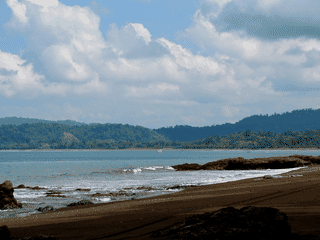

Drake Bay
Costa Rica8.70°N 83.67°W
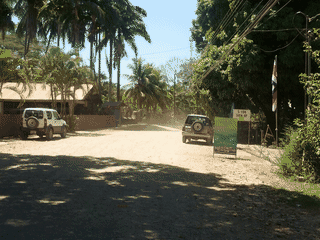

Dominical
Costa Rica9.25°N 83.87°W
Overview
Corcovado protects primary rainforest that reaches the ocean on a remote stretch of Costa Rica's coast. Wildlife watching is a central attraction, with tapirs, monkeys and many bird species among its inhabitants.
Languages: Spanish
Why Go
Corcovado National Park is one of the most remote parks in Costa Rica's national park system, offering exceptional wildlife viewing opportunities unavailable elsewhere in the country. The park protects primary rainforest that grows right up to the ocean, creating a unique ecosystem where visitors can spot over 350 bird species, 139 mammals including Tapirs, Puma, and Jaguar, and 116 amphibians and reptiles. Its isolation has helped preserve an incredible biodiversity that draws nature enthusiasts from around the world.
Adapted from Wikivoyage contributors · CC BY-SA 4.0
When to Go
The dry season runs from mid-December until mid-April with occasional rain showers, making travel to and through the park much safer and more manageable. The wet season runs from mid-April until mid-December, with increased difficulty navigating trails and higher risks of flooding. Travel to and through the park is perilous and is best accomplished during the dry season. High season brings more visitors, so permits fill quickly.
Adapted from Wikivoyage contributors · CC BY-SA 4.0
Entry Points
Drake Bay lies on the north side of the park and provides entrance and easy access to its trails, making it an excellent alternative to Puerto Jiménez. Puerto Jiménez is the nearest sizeable town to the park and most people entering the park will need to pass through this town. From the north, travel along the beach through San Pedrillo. From the south, travel along the beach through Carate. From the east, it is a 13-km hike (3 hours) from La Palma to Los Patos, crossing the Rincon River around 30 times, with taxis available during dry season.
Adapted from Wikivoyage contributors · CC BY-SA 4.0
Fees and Permits
Permits must be reserved in advance to stay overnight at Sirena, which is the only ranger station offering dormitory lodging and hot meals in addition to camping. La Leona, San Pedrillo, and Los Patos offer only camping with no food service. The Park Service (MINAE) does not issue permits more than one month in advance. Vendors like CafeNet El Sol offer reservation services for a fee of US$30, enabling travelers to obtain permits by credit card without traveling to Puerto Jiménez. The park does not accept cash or credit card payments directly—only in-country bank deposits. For the El Tigre trail, the fee is US$125 for two people including the US$30 park entrance fee, with the Tourism Office handling all permits.
Adapted from Wikivoyage contributors · CC BY-SA 4.0
Wildlife and Natural Beauty
The park is home to over 350 species of birds including Scarlet Macaws, 116 types of amphibians and reptiles including poison dart frogs, and 139 mammals including Tapirs, Squirrel Monkeys, Puma, and Jaguar. Natural attractions include rock formations, waterfalls, beaches, rivers, and rainforest that grows right up to the ocean. The trail from Los Patos to La Sirena is particularly noted for bird watching.
Adapted from Wikivoyage contributors · CC BY-SA 4.0
Activities
Visiting La Sirena is recommended as it makes a good central base for exploring the park, located 20 km from each entrance. Visitors should take as many pictures as possible to enjoy the beauty after leaving. Kayak rides through the rainforest can be arranged by asking locals. Hiring a guide is advisable as they know animal habits and can point out tapir routes, though visitors should also take time to explore independently.
Adapted from Wikivoyage contributors · CC BY-SA 4.0
Food and Drink
Meals are available at the central ranger station (La Sirena) with advance reservation. Visitors often bring food inside the park that is easy to pack, lightweight, and non-perishable such as pastas, rice, beans, or soup packets. Potable water is available at each Ranger Station, but visitors should carry plenty of water during hikes. Many multi-day visitors bring powdered drink mixes.
Adapted from Wikivoyage contributors · CC BY-SA 4.0
Sleeping
Sirena is the only ranger station offering dormitory lodging and hot meals in addition to camping. La Leona, San Pedrillo, and Los Patos offer only camping with no food service. In practice, the park often allows campers with their own food to enter without advance reservations during less busy times, but during peak season even camping areas fill quickly, especially at Sirena Ranger Station. Nearby accommodations include Finca Exotica Wildlife Ecolodge near Carate Beach at US$80-120 per night with food included, and Casa Corcovado Lodge bordering the park in the jungle.
Adapted from Wikivoyage contributors · CC BY-SA 4.0
Go Next
Nearby destinations include Chirripo National Park, Manuel Antonio National Park, and Santiago de Veraguas. The Osa Peninsula offers numerous other attractions including Drake Bay for easy park access, Puerto Jiménez as a base town, and Carate for beach access near the park's southern entrance.
Adapted from Wikivoyage contributors · CC BY-SA 4.0
Respect
The park's beauty is preserved because of its remoteness and conscious effort to keep it pristine. Visitors should carry out all trash and waste following leave-no-trace camping principles. Please pick up any trash seen that was left inside the park and encourage others to do the same.
Adapted from Wikivoyage contributors · CC BY-SA 4.0
Field guide adapted from Wikivoyage contributors · CC BY-SA 4.0. Text has been adapted and organized for this guide. About our sources.
Places to know
A few starting points from the guide. Check current hours and prices before you go.
- sleep
Carate Hotels
Adapted from Wikivoyage contributors
- sleep
Casa Corcovado Lodge
Jungle lodge bordering Corcovado National Park that harmonizes with the natural surroundings
Adapted from Wikivoyage contributors
- sleep
Drake Bay Hotels
Adapted from Wikivoyage contributors
- sleep
Finca Exotica Wildlife Ecolodge
Finca Exotica is the closest ecolodge accessible by car to Corcovado National Park. Restaurant and cabinas are integrated naturally into the landscape and overlook the Pacific Ocean and lush tropical rainforest. Organic meals and all the coconuts you could ever want.
Recorded price: US$80–120 (food and taxes included)
Adapted from Wikivoyage contributors
- sleep
La Leona Eco-Lodge
A tent-camp lodge offering packages with or without meals. Located at the La Leona station at the southeast border of the park.
Adapted from Wikivoyage contributors
- sleep
Puerto Jimenez Hotels
Adapted from Wikivoyage contributors
- see
Beaches
Remote beaches within the park offer pristine coastline access
Adapted from Wikivoyage contributors
- see
Jaguar and Puma Territory
Large cats including Jaguar and Puma roam the park's 139 mammal species
Adapted from Wikivoyage contributors
Before you go
Money
Park entrance fee is US$30. The park only accepts in-country bank deposits—no cash, no credit cards. Use vendors like CafeNet El Sol for credit card permit reservations for a US$30 fee.
Packing
Bring your own tent and food if camping. Pack lightweight, non-perishable foods like pasta, rice, beans, and soup packets. Carry plenty of water during hikes and consider powdered drink mixes for multi-day stays.
Safety
Travel to and through the park is perilous, especially during wet season. Trails can flood and river crossings can be dangerous. Always cross rivers at designated points and never attempt crossings during high water.
Transport
The park is remote and best accessed during dry season. Puerto Jiménez is the main gateway town with taxi and bus connections. Dos Brazos de Rio Tigre offers the most accessible day hike via El Tigre trail.
Weather
Dry season (mid-December to mid-April) is the safest time to visit with occasional rain showers. Wet season (mid-April to mid-December) brings challenging trail conditions and higher flood risks.