
Overview
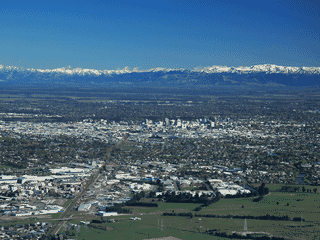
Christchurch is the largest city on the South Island of New Zealand, situated on the Canterbury Plains just north of Banks Peninsula. With a population of 385,000, it serves as the major international entry point for exploring the rest of the South Island.
Architecture · Budget Travel · Day Trips · History · Nature
Where it is
Why go?
Christchurch is the largest city on the South Island of New Zealand, situated on the Canterbury Plains just north of Banks Peninsula. With a population of 385,000, it serves as the major international entry point for exploring the rest of the South Island. Known as the Garden City, it boasts a rich English heritage evident in its older buildings and cultural precincts. The city has been rebuilding since the devastating February 2011 earthquake, and while construction sites are common, it is fully open to visitors.
Getting around
Christchurch is mostly flat with a grid-pattern layout, making navigation by road generally simple. The central city is contained by the 'four avenues': Bealey Ave, Fitzgerald Ave, Deans Ave, and Moorhouse Ave. Watch out for one-way streets and bus-and-taxi-only intersections.
When to go
Christchurch has a temperate climate with four distinct seasons, mild to warm summers, cool winters, and rainfall evenly distributed year-round. It is the driest of New Zealand's major cities with only 630 mm of rain per year. Summer temperatures typically average 22°C daytime and 13°C nighttime, though a hot nor'wester wind can push temperatures above 35°C. Winter occasionally brings significant snowfall, once every 1 to 3 years. Daylight in summer lasts from 5:45AM to 9PM; in winter, sunrises are as late as 8AM and sunsets before 5PM.
Where to stay
Following the earthquakes, some major hotels were demolished, reducing supply and increasing demand, making accommodation a bit more expensive than other NZ cities. Backpacker hostels are safe, clean, and affordable, with dorm rooms starting around $30 per night. Motels are a notch up, from around $79 per night, and there are many quality B&Bs.
Food and drink
Christchurch offers a range of dining from casual cafes to upscale restaurants. The Riverside Market is a hub for fresh produce and food stalls. For a unique experience, try the Tramway Restaurant for a moving dinner. The craft beer scene is notable, with tap rooms like The Beer Library offering over 300 varieties. Lyttelton, a short drive away, has the popular Wunderbar and Monster Bar for live music and yakitori.
Stay safe
Christchurch has a winter smog problem at night, though conditions have improved. Avoid venturing out on calm frosty evenings if you have breathing issues. Violent crime is rare, but drunken aggression can occur, especially late on Fridays and Saturdays. Linwood is a lower socio-economic area but still considered safe. Aftershocks from the 2010-11 earthquakes have subsided, though a risk of another major earthquake remains, comparable to other NZ cities.
Go next
Christchurch is a major gateway to the South Island, often the starting or finishing point for touring the rest of the island. Popular day trips include Akaroa on Banks Peninsula, and the Lewis Pass route through the mountains.
Guide text adapted from Wikivoyage contributors under CC BY-SA 4.0.
Where to start
Eat
@Tony's
Good Japanese teppanyaki with special all-you-can-eat deals Su-Th ($42).
Price when recorded: Mains around $30, set menus $56
Eat
Addington Coffee Co-Op
Sells fair trade coffee and clothing in a lively atmosphere. Also has a laundry.
Price when recorded: Brunch dishes $9–22
Eat
Afghan Restaurant
A rustic place that offers tasty chicken or lamb cooked over an open flame grill, served with rice and salad. A chicken curry is usually available too. Large portions, and you can takeout any leftovers. There is no menu and no toilet on site.
Price when recorded: $20
Eat
Aha Wildlife Bakery
Wildlife themed bakery shop - bakes delicious animal-shaped bread and cookies fresh on the market. Try a kiwi, have a whale - and enjoy the artwork on the walls.
Price when recorded: $10
Eat
C1 Espresso
A café that serves food via pneumatic tube.
Price when recorded: burger $24, coffee $5.20
Drink
Aikmans
An upscale bistro and bar in trendy Merivale.
Price when recorded: Mains $25–35
Do
Antigua Boatsheds
Boat hire from historic British boatsheds for a hands-on water experience.
Price when recorded: $12/hr canoe, $25/half-hr rowboat, $25/half-hr paddle boat
Buy
Ashe Gallery
A boutique art gallery and design store showcasing contemporary New Zealand art, homeware, and unique gifts. They also offer interior design services and feature works from local New Zealand artists.
Before you go
Accommodation
Accommodation is slightly more expensive than other NZ cities due to earthquake damage and construction demand. Dorm beds from around $30/night.
Safety
Winter smog at night can be problematic; avoid late-night areas on weekends if you feel unsafe.
Transport
Flat grid layout makes walking or cycling easy. Buses serve the city and suburbs, with a central interchange.
Weather
Christchurch is the driest major NZ city with 630mm rain/year. Summers mild, winters cool with occasional snow.