
Brisbane
Oceania · Australia
See also

Gold Coast
Australia28.00°S 153.40°E · 12 m
Overview
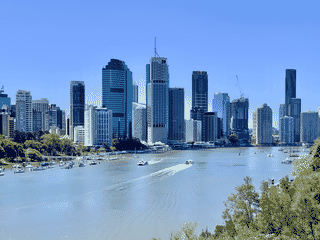
Brisbane, Australia's third-largest city, is a garden metropolis famous for its leafy open spaces, warm climate, and friendly locals. It offers a cosmopolitan yet accessible atmosphere, with world-class facilities and a youthful enthusiasm.
Languages: English
Why go?
Brisbane, Australia's third-largest city, is a garden metropolis famous for its leafy open spaces, warm climate, and friendly locals. It offers a cosmopolitan yet accessible atmosphere, with world-class facilities and a youthful enthusiasm. Tipping is not part of the local culture.
Adapted from Wikivoyage contributors · CC BY-SA 4.0
Climate
Brisbane has a subtropical climate with hot, humid summers (December–February) and mild, dry winters (June–August). Summer temperatures average around 30°C with afternoon thunderstorms, while winter days are sunny and around 25°C. Autumn and spring are the most comfortable seasons for outdoor activities.
Adapted from Wikivoyage contributors · CC BY-SA 4.0
Getting in
Brisbane Airport (BNE) offers domestic and international flights. The Airtrain connects to the city center for about $20 AUD. Long-distance trains arrive at Roma Street Station.
Adapted from Wikivoyage contributors · CC BY-SA 4.0
Getting around
Brisbane is well served by public transport including trains, buses, and ferries. The CityCat ferries are a scenic way to travel along the Brisbane River. The city centre is walkable, and bike hire is available.
Adapted from Wikivoyage contributors · CC BY-SA 4.0
When to go
Brisbane has a subtropical climate with warm year-round temperatures. Autumn (March–May) is best with lower humidity. Winter (June–August) is dry and sunny, while summer (December–February) is hot and humid with afternoon thunderstorms.
Adapted from Wikivoyage contributors · CC BY-SA 4.0
Where to stay
Accommodation options range from budget backpacker hostels near Roma Street and Fortitude Valley to mid-range and luxury hotels in the CBD and South Bank. Popular hostels include Banana Backpackers ($25-75), Brisbane City YHA (from $29), and Bunk Backpackers in Fortitude Valley.
Adapted from Wikivoyage contributors · CC BY-SA 4.0
Food and drink
Brisbane offers diverse dining from cheap eats like Kadoya Japanese takeaway and Fatboys Cafe (breakfast from $4) to upscale restaurants. The city has a vibrant café culture, with venues like Bar Merlo and John Mills Himself known for quality coffee. Nightlife centers on Fortitude Valley and the CBD, with lockout laws at 3AM and strict ID checks.
Adapted from Wikivoyage contributors · CC BY-SA 4.0
Things to do
Must-see attractions include the Brisbane City Hall (with free guided tours), South Bank Parklands (with an artificial beach), Lone Pine Koala Sanctuary ($36 adults), and the Cultural Precinct with museums and galleries. Outdoor activities include rock climbing at Kangaroo Point, climbing the Story Bridge, and cruising the river. The Brisbane Festival in September is the largest annual event.
Adapted from Wikivoyage contributors · CC BY-SA 4.0
Etiquette
Tipping is not expected in Brisbane; a simple 'thank you' is sufficient. Smoking is banned in all areas where food and drink are served. The drinking age is 18, and only Australian driver's licenses, 18+ cards, or foreign passports are accepted as ID.
Adapted from Wikivoyage contributors · CC BY-SA 4.0
Day trips
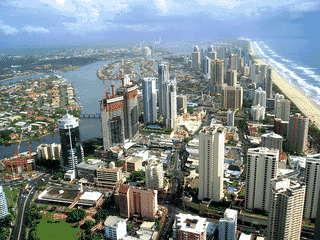
Brisbane is a great base for day trips. South of the city is the Gold Coast (70 km) with theme parks and beaches. North leads to the Sunshine Coast (90 minutes), Glass House Mountains, and Australia Zoo in Beerwah ($57 adults). Moreton Bay islands like North Stradbroke and Moreton Island offer beaches and marine activities.
Adapted from Wikivoyage contributors · CC BY-SA 4.0
Go next
From Brisbane, you can continue north to the Sunshine Coast and K'gari (Fraser Island), or south to the Gold Coast and New South Wales. Queensland Rail provides services to the north and south, and the Pacific Motorway links to major destinations.
Adapted from Wikivoyage contributors · CC BY-SA 4.0
Field guide adapted from Wikivoyage contributors · CC BY-SA 4.0. Text has been adapted and organized for this guide. About our sources.
Places to know
A few starting points from the guide. Check current hours and prices before you go.
- buy
Adelaide Street
Downtown's dress circle
Adapted from Wikivoyage contributors
- buy
Albert Street
Has many adventure and sports-type retailers, lots of bookstores.
Adapted from Wikivoyage contributors
- buy
Ann St
Along Ann Street in the Valley there are many independent fashion boutiques for mid-range shopping. Some of them are spread out around the corner of Brunswick Street too.
Adapted from Wikivoyage contributors
- do
Balloons over Brisbane
You can gain an aerial perspective as you float over Brisbane in a hot air balloon. It's often possible to see as far off as the magnificent Glasshouse Mountains, to the Gold Coast and out to the islands of Moreton Bay.
Adapted from Wikivoyage contributors
- buy
Brisbane Arcade
A secluded narrow shopping strip which acts as a pass way between Adelaide and Queen St. It contains many unique stores. It is one of the few remaining heritage shopping arcades in Brisbane.
Adapted from Wikivoyage contributors
- do
Brisbane Festival
By far the largest and most popular event in Brisbane. Held annually at the end of September. This festival, which started as a celebration of the Brisbane River, now incorporates a number of smaller events at various places around South Bank Parklands, the Cultural Centre and the CBD as a celebration to Brisbane itself. Notably, the 'Riverfire' event which is held in South Bank every September draws the largest crowd. It offers free family entertainment all day and the city's biggest Fireworks display at night.
Adapted from Wikivoyage contributors
- do
Brisbane International Film Festival
Begins in November and is hosted in a variety of cinema venues around Brisbane. The festival features new films and retrospectives by domestic and international filmmakers along with seminars and awards.
Adapted from Wikivoyage contributors
- buy
Brunswick Street Mall
Located in the heart of China Town, there are many Chinese retailers, fast food restaurants, cafes and bars. Markets are run on Sundays.
Adapted from Wikivoyage contributors
Before you go
Connectivity
Free Wi-Fi in many cafes and libraries. SIM cards easily available.
Culture
Brisbane is relaxed and friendly. Tipping not part of culture.
Health
Tap water is safe. Medical facilities excellent.
Language
English is the primary language. No language barrier for most travelers.
Local transport
Go card for buses, trains, and ferries. CityCat is a scenic river ferry.
Money
Tipping is not expected. Credit cards are widely accepted, but carry some cash for markets and small vendors.
Safety
Generally safe, but bars and clubs enforce lockout at 3AM. Smoking banned in food/drink venues.
Transport
Public transport includes trains, buses, and ferries (CityCat). A Go Card offers discounted fares on all services.
Visa context
Visa rules depend on passport; check current entry rules before booking.
Water
Tap water is safe to drink.
Weather
Subtropical climate; summers hot and humid with afternoon storms, winters mild and sunny. Best visited in autumn or spring.