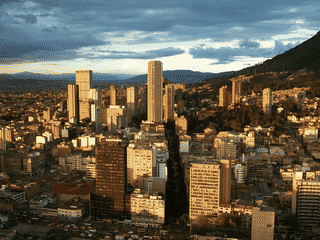

Bogotá
South America · Colombia
Did you know?
- The Gold Museum showcases pre-Hispanic metalwork from across Colombia.
- TransMilenio organizes much of the city's public transport around bus rapid transit.
- La Candelaria combines national government buildings with independence landmarks.
See also
Villa de Leyva
Colombia5.63°N 73.53°W · 2,000 m
Tunja
Colombia5.53°N 73.37°W · 2,782 m
Overview
La Candelaria is Bogotá's colonial center and a popular base for budget travelers. Its hostels make it easy to meet other visitors while exploring the historic neighborhood.
Languages: Spanish
Why Go
Bogotá is one of Latin America's great capital cities and a global center for finance, politics, culture, and entertainment. With 15 million people, it's the second most populous Spanish-speaking city in the world and the fifth largest metropolitan area in the Western Hemisphere. The city offers a unique balance of 500-year-old plazas overshadowed by towering skyscrapers, over 75 performing arts venues including the renowned Teatro Colón, and over 500 km of urban bike paths. Its museums, including the world's largest gold museum, have earned it the nickname "The Athens of South America." The city sits at 2,640m (8,660 feet) altitude in the Colombian Andes, giving it a cool climate year-round.
Adapted from Wikivoyage contributors · CC BY-SA 4.0
Getting In
El Dorado International Airport (listing_uid: 13bba490fec14e4a) is the main international gateway. For ground transport, El Terminal de Transporte de Bogotá (Terminal Salitre, listing_uid: f780e2f026c817cb) offers extensive bus connections nationwide. Intercity bus companies include Expreso Bolivariano serving routes to Medellín, Cali, Manizales, Armenia, Popayán, Ipiales and Peru; Copetran (#567 or #568 from Claro phones); Expreso Brasilia (#501 or #502 from Tigo and Movistar); Rapido Ochoa to Medellín, Barranquilla, Santa Marta, Montería and coastal destinations; Berlinas del Fonce to Bucaramanga, Cartagena, Cúcuta, and Santa Marta; and Coomotor serving southern routes.
Adapted from Wikivoyage contributors · CC BY-SA 4.0
Getting Around
The TransMilenio bus rapid transit system serves as Bogotá's main public transportation. Key stations include Portal del Tunal (listing_uid: 1730f52249e09394) for southern routes. The city has over 500 km of urban bike paths, with major avenues closed to cars during Ciclovía every Sunday and national holiday from 7AM-2PM.
Adapted from Wikivoyage contributors · CC BY-SA 4.0
When to Go
Bogotá has a cool climate year-round due to its altitude, with temperatures ranging from 18-20°C. The drier seasons typically run from December to March and July to August, while the wetter periods occur in April-May and October-November. The city hosts numerous festivals and cultural events throughout the year, and its public parks have earned international recognition.
Adapted from Wikivoyage contributors · CC BY-SA 4.0
Where to Stay
Most budget travelers choose to stay in La Candelaria (listing_uid: see section), the colonial neighborhood in the city center with many cheap hostels where you can meet travelers from around the world. The historic district and major museums are within walking distance, but the deserted neighborhood streets can be unsafe after dark on weeknights—particularly in the tiny streets uphill near the Egypto neighborhood. Upscale northern districts like Zona Rosa, Parque 93, and Ciudad Salitre offer higher prices but better security. Chapinero Central has mid-range options and is the center of gay nightlife. Air conditioning is unnecessary due to cool nighttime temperatures.
Adapted from Wikivoyage contributors · CC BY-SA 4.0
Food and Drink
Bogotá's gastronomy ranges from Michelin-starred restaurants serving traditional Colombian dishes to international cuisines from Europe, North America, the Middle East, and Asia. Local specialties include ajiaco soup,馋; and picadas. The city has abundant coffee-based products. For nightlife, Zona Rosa and Parque 93 offer the cosmopolitan club scene, while Chapinero Central and La Candelaria are more bohemian and artsy. The city has been described as the rock n' roll capital compared to Cali's salsa scene. Every Sunday, Ciclovía transforms major avenues for biking, skating, jogging and walking from 7AM-2PM.
Adapted from Wikivoyage contributors · CC BY-SA 4.0
Things to Do
The historic La Candelaria neighborhood hosts the national government and key independence sites including where Simón Bolívar nearly escaped and where revolutionary heroine Policarpa Salavarrieta was executed. Key attractions include the Gold Museum and Botero Museum (both free), Catedral Primada, Palacio de Nariño on Plaza de Bolívar, Iglesia del Carmen, Biblioteca Luis A. Arango, and the Colonial Art Museum. The Sanctuary of Monserrate overlooks the city and can be reached by funicular or by hiking. The Maloka Science Center and Botanical Gardens offer family-friendly activities in Ciudad Salitre. The Sabana de Bogotá wetlands showcase a fascinating natural ecosystem where rivers slow down on the plateau before continuing into the valleys.
Adapted from Wikivoyage contributors · CC BY-SA 4.0
Shopping
Local products worth purchasing include inexpensive handicrafts and silver jewelry from vendors, coffee-based products, leather handbags, shoes and wallets, and uncut and cut emeralds from the world's best emerald mines. One of the cheapest places for handicrafts is Pasaje Rivas (Calle 9 no. 9), a narrow hall crossing Plaza de Bolívar near the Mayor's office and presidential residence. On Sundays, the huge flea market in Usaquén attracts crowds.
Adapted from Wikivoyage contributors · CC BY-SA 4.0
Safety
Bogotá's once high murder rate has dropped to exceedingly low levels, and bombings and kidnappings are no longer a concern. Principal risks are pickpockets and occasional taxi crime. Mugging rates have decreased significantly but still occur occasionally in some areas of La Candelaria (after dark on weeknights—daytime and Friday-Saturday nights are fine), small parts of Santa Fé, and southern parts of Chapinero near Avenida Caracas. The "Million Dollar Ride" (Paseo Millonario) involves hailing a taxi where someone else enters and forces you to withdraw money from bank accounts—order cabs through apps or have hotels call them instead. When using ATMs, ensure no one follows you after withdrawal; use machines inside supermarkets like Éxito. Trust locals if they warn you about unsafe areas.
Adapted from Wikivoyage contributors · CC BY-SA 4.0
Health
Bogotá's tap water is safe to drink and of high quality. Altitude sickness is the main health concern for foreigners at 2,640m—expect shortness of breath going uphill initially. Spending a few days without strenuous activity or visiting a mid-altitude city like Medellín (1½ hours away) or Fusagasugá will help acclimatize. The nearest low-altitude cities are Girardot (2½ hours) and Villavicencio (2½ hours). Private hospitals offer excellent healthcare. First Aid International with Dr. Peter Jasinski speaks English (WhatsApp: +57 3163008340).
Adapted from Wikivoyage contributors · CC BY-SA 4.0
Language
The Spanish spoken in Bogotá is considered among the most neutral and clear in the world. English is widely spoken by many residents, particularly in touristy areas where young students from bilingual schools are often eager to help translate. Colombians are generally welcoming and eager to show visitors the best of their country.
Adapted from Wikivoyage contributors · CC BY-SA 4.0
Day Trips
Nearby towns easily reachable as day trips include Zipaquirá (salt cathedral), Chía (for Andrés Carne de Res restaurant), La Calera, Cajicá, Tabio, La Vega, and others accessible from Terminal de Transportes or Transmilenio's North Portal. Choachí is a small village 50 minutes east by car, reached after climbing a mountain so high you can see Monserrate below, with local cooking, hot springs, and a Swiss restaurant. Parque Nacional Chingaza to the east requires a 4x4 or tour; entrance is COP$39,500 for foreigners (COP$13,500 for Colombians) with an obligatory guide and trails up to 4 hours, with park exit required by 3PM. The Laguna del Cacique Guatavita (COP$15,000 for foreigners) is where the El Dorado legend originated—take Transmilenio's North Portal to the intermunicipal route to Sesquilé/Guatavita. Parque Nacional Sumapaz to the south is currently closed for infrastructure improvements.
Adapted from Wikivoyage contributors · CC BY-SA 4.0
Go Next
Bogotá serves as an excellent hub for exploring Colombia. Short flights (1½ hours) reach the Amazon Jungle. One-hour flights connect to Spanish colonial Cartagena and Popayán. Modern Medellín in its Andean valley and Cali at the foothills of the Andes are also easily accessible. From the city, you can also explore the nearby Andes towns including the Cundinamarca region.
Adapted from Wikivoyage contributors · CC BY-SA 4.0
Field guide adapted from Wikivoyage contributors · CC BY-SA 4.0. Text has been adapted and organized for this guide. About our sources.
Places to know
A few starting points from the guide. Check current hours and prices before you go.
- sleep
La Candelaria Hostels
Budget hostels in the historic colonial neighborhood with easy access to museums
Recorded price: Dorms from COP 35,000-60,000
Adapted from Wikivoyage contributors
- eat
Andrés Carne de Res
Iconic restaurant near Chía famous for grilled meats and Colombian cuisine
Recorded price: COP 80,000-150,000
Adapted from Wikivoyage contributors
- eat
Street Food Vendors
Local Colombian snacks and dishes from vendors throughout the city
Recorded price: COP 5,000-15,000
Adapted from Wikivoyage contributors
- see
Botanical Gardens
Botanical gardens in Ciudad Salitre for nature appreciation
Adapted from Wikivoyage contributors
- see
Botero Museum
Fernando Botero's iconic paintings and sculptures plus works by international masters, free admission
Recorded price: Free
Adapted from Wikivoyage contributors
- see
Gold Museum (Museo del Oro)
World's largest collection of pre-Columbian gold artifacts, free admission
Recorded price: Free for foreigners
Adapted from Wikivoyage contributors
- see
Laguna del Cacique Guatavita
Spiritual lake where the El Dorado legend originated with Muisca ceremonies
Recorded price: COP 15,000 for foreigners
Adapted from Wikivoyage contributors
- see
Maloka Science Center
Interactive science museum and center in Ciudad Salitre
Adapted from Wikivoyage contributors
Before you go
Connectivity
Major mobile carriers include Tigo, Movistar, and Claro. WiFi is available in most hotels, cafes, and public spaces.
Culture
Colombians are proud to show their country positively. Spanish is neutral and clear. Nightlife ranges from salsa to rock clubs.
Health
Altitude of 2,640m causes initial breathlessness. Tap water is safe. No malaria risk. Private hospitals offer excellent care.
Language
Spanish is the official language. English is common in tourist areas and among young people from bilingual schools.
Money
Currency is Colombian Peso (COP). ATMs are widely available; use machines inside supermarkets like Éxito for security. Cash is king at street markets and small establishments.
Safety
Pickpocketing occurs in tourist areas. Taxis hailed on the street can be risky—order through apps or have your hotel call. Give up valuables without resistance if mugged.
Transport
TransMilenio is the main bus rapid transit system. Taxis ordered via apps are safer than hailing on the street. Ciclovía closes major avenues to cars every Sunday 7AM-2PM.
Weather
Cool climate year-round (18-20°C) due to altitude. Drier seasons December-March and July-August; wetter April-May and October-November.