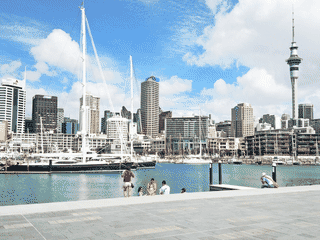

Auckland
Oceania · New Zealand
See also
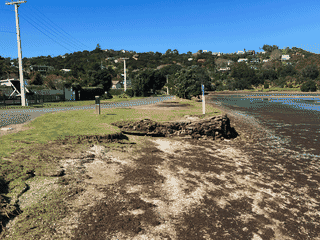

Waiheke Island
New Zealand36.80°S 175.08°E · 231 m
Overview
Auckland is New Zealand's largest city, home to 1.5 million people, nearly one-third of the country's population. It is a vibrant multicultural city set around two big natural harbours, ranked as one of the most liveable cities in the world.
Languages: English, Māori, New Zealand Sign Language
Understand
Auckland is New Zealand's largest city, home to 1.5 million people, nearly one-third of the country's population. It is a vibrant multicultural city set around two big natural harbours, ranked as one of the most liveable cities in the world.
Adapted from Wikivoyage contributors · CC BY-SA 4.0
Climate
Auckland has a temperate climate, often regarded as subtropical. Summers are mild to warm with average highs of 23°C, winters mild with average highs of 15°C. Rainfall is regular throughout the year, with more in winter. Daylight hours vary from 7:30AM–5:15PM in winter to 6AM–8:30PM in summer.
Adapted from Wikivoyage contributors · CC BY-SA 4.0
Getting around
Local transport includes bus, train, and ferry. Use an AT HOP card (cost $5) or contactless card/digital wallet for fares. Bus and train fares start at $2.80 for one zone, with free transfers within 30 minutes and a $50 weekly fare cap. Cash is not accepted on buses and trains. Waitematā Station in the CBD is the main transport centre.
Adapted from Wikivoyage contributors · CC BY-SA 4.0
Things to do
Top attractions include the Auckland War Memorial Museum ($25 entry for overseas visitors), Auckland Art Gallery ($20 for international visitors), and the free Auckland Domain. For activities, movie tickets start at $8.50 at WestCity, and the Waitakere Ranges offer impressive waterfalls and beaches a 45-minute drive away.
Adapted from Wikivoyage contributors · CC BY-SA 4.0
Food and drink
Cheap food courts like Food Alley (9-11 Albert St) offer Asian dishes around $10. Elliott Stables and Atrium on Elliott also provide good value. The Britomart Precinct has popular bars and eateries. For nightlife, the highest concentration of bars is around Viaduct, K Road, Ponsonby, and Parnell.
Adapted from Wikivoyage contributors · CC BY-SA 4.0
Where to stay
Backpacker hostels are predominantly in the central business district, with dorm beds costing $40–$60 per night. Motels with kitchenettes are widespread and often cheaper than hotels. Hotels range from adequate to luxury. Airbnb offers a range of accommodation.
Adapted from Wikivoyage contributors · CC BY-SA 4.0
Budget
A daily backpacker budget can be around $60–$80: $40–$60 for a dorm bed, $10 for a meal at a food court, and $2.80 for a bus ride. The AT HOP card caps weekly fares at $50 for buses, trains, and inner harbour ferries.
Adapted from Wikivoyage contributors · CC BY-SA 4.0
Safety
Auckland is safe overall, but theft and robberies are more prevalent than elsewhere in New Zealand. South Auckland is widely regarded as the most dangerous area; avoid at night. Karangahape Road (K' Road) has drug issues, avoid eye contact. Alcohol culture is strong.
Adapted from Wikivoyage contributors · CC BY-SA 4.0
Connectivity
Free Wi-Fi is available at public libraries with a 1GB per day limit, and at Skycity food courts. Many cafes like Starbucks and Esquires offer Wi-Fi hotspots.
Adapted from Wikivoyage contributors · CC BY-SA 4.0
Day trips
Waiheke Island is 35 minutes by ferry and offers wineries and beaches. Rangitoto Island is 20-25 minutes away with great hiking and lava caves. The Waitakere Ranges are a 45-minute drive for waterfalls. Rotorua, Hamilton, and Waitomo Caves are within a few hours drive.
Adapted from Wikivoyage contributors · CC BY-SA 4.0
Go next
From Auckland, take a ferry to Waiheke Island or Rangitoto Island. Rotorua, Hamilton, Waitomo Caves, and Taupo are within several hours drive and offer many attractions.
Adapted from Wikivoyage contributors · CC BY-SA 4.0
Work
Work visas for Auckland are harder to obtain due to migration pressures. Australian citizens and permanent residents can live and work indefinitely.
Adapted from Wikivoyage contributors · CC BY-SA 4.0
Field guide adapted from Wikivoyage contributors · CC BY-SA 4.0. Text has been adapted and organized for this guide. About our sources.
Places to know
A few starting points from the guide. Check current hours and prices before you go.
- sleep
CBD Backpacker Hostels
Dorm beds from $40 to $60 per night in the central business district.
Recorded price: $40-$60 per night
Adapted from Wikivoyage contributors
- eat
Atrium on Elliott
Good quality food court predominantly Asian food.
Recorded price: around $10
Adapted from Wikivoyage contributors
- eat
Elliott Stables
Good value non-Asian food court with a variety of choices.
Recorded price: around $10
Adapted from Wikivoyage contributors
- eat
Food Alley
Award-winning food court with a variety of Asian foods priced around $10.
Recorded price: around $10
Adapted from Wikivoyage contributors
- see
Auckland Art Gallery
Largest collection of national and international art in NZ, award-winning building.
Recorded price: Free for locals, $20 for international visitors
Adapted from Wikivoyage contributors
- see
Auckland Domain
Oldest park in Auckland with wintergardens and views of Waitemata Harbour.
Recorded price: Free
Adapted from Wikivoyage contributors
- see
Auckland War Memorial Museum
Museum with extensive Māori and Polynesian collections, also war memorial.
Recorded price: $25 for overseas visitors, donation for NZ residents
Adapted from Wikivoyage contributors
- buy
Avondale Market
Popular market serving West Auckland.
Adapted from Wikivoyage contributors
Before you go
Accommodation
Backpacker hostels in CBD offer dorm beds from $40–$60 per night.
Connectivity
Free Wi-Fi at public libraries (1GB per day limit) and Skycity food courts.
Food
Cheap food courts like Food Alley offer meals around $10.
Money
Tipping is not customary; service charges are often included.
Safety
Avoid South Auckland at night; be cautious on Karangahape Road (K' Road) after dark.
Transport
Get an AT HOP card ($5) for buses, trains, and ferries. Cash not accepted on buses and trains.