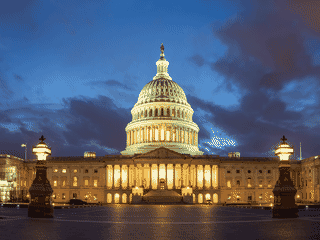

Overview
Washington, D.C., the capital of the United States, offers an unparalleled collection of free public museums and iconic monuments like the Lincoln Memorial and Washington Monument. It is a cosmopolitan city with diverse dining and nightlife, and most attractions are concentrated on the National Mall.
Architecture · Budget Travel · Day Trips · Festivals · History
Where it is
Washington, D.C. is 198 km southwest of Philadelphia.
Why go?
Washington, D.C., the capital of the United States, offers an unparalleled collection of free public museums and iconic monuments like the Lincoln Memorial and Washington Monument. It is a cosmopolitan city with diverse dining and nightlife, and most attractions are concentrated on the National Mall.
When to go
Spring (April to mid-May) is beautiful with cherry blossoms, but crowded. Fall rivals spring for perfect temperatures. Winter is mild with fewer crowds. Summer is hot and humid with frequent thunderstorms; air-conditioned museums are a refuge.
Get around
Be prepared to walk a lot; comfortable shoes are essential. The Metrorail and bus system are efficient, but many attractions are close together on the National Mall. Taxis and ride-hailing are also available.
Where to stay
Hotels are available in all price ranges. Popular areas include the East End, West End, and Georgetown, which are close to attractions but can be pricey. Dupont Circle, Shaw, and Capitol Hill offer better bargains and nightlife. Hostels are also available. Hotel tax in D.C. is 15.95%.
Food and drink
Washington offers a wide variety of dining, from cheap ethnic takeout to high-end restaurants. Ethiopian food is a local specialty. The legal drinking age is 21 and last call is 3 AM. Street drinking is illegal.
Things to do
The National Mall is the heart of D.C. with free museums like the National Air and Space Museum, National Museum of Natural History, and the National Gallery of Art. Monuments include the Lincoln Memorial, Washington Monument, and Jefferson Memorial. Other attractions: the National Zoo, National Cathedral, and the Kennedy Center.
Stay safe
D.C. has a heavy police presence in tourist areas. The often-traveled areas around the Smithsonian and monuments are safe even in the evening. Areas east of the Capitol are generally less safe. Violent crime is at a generational low.
Respect
Most Washingtonians have left-wing, cosmopolitan, secular, and environmentalist values. There are strict etiquette rules distinctive to D.C., but the city is generally tolerant and welcoming.
Talk
The General American accent dominates, but a distinctive D.C. accent exists among older residents, featuring R-lessness and vowel changes. Young people use local slang like 'DMV' and 'bama'.
Guide text adapted from Wikivoyage contributors under CC BY-SA 4.0.
Where to start
See
Albania
See
Algeria
See
Amtrak
Operates trains throughout the United States of America.
See
Angola
See
Antigua & Barbuda
See
Argentina
See
Armenia
See
Australia
Before you go
Accommodation
Hotels in all price ranges; hostels available. Tax 15.95% in D.C.
Culture
Left-leaning, cosmopolitan, and secular. Tolerant environment.
Drinking
Legal age 21, strictly enforced. Last call 3 AM. Street drinking illegal.
Food
Diverse dining from cheap ethnic to high-end. Ethiopian cuisine is a local specialty.
Health
George Washington University Hospital is near Foggy Bottom Metro; other hospitals available.
Language
English; General American accent dominant. Some local slang.
Money
All major credit cards widely accepted. ATMs plentiful. Tipping expected: 15-20% at restaurants.
Safety
Heavy police presence in tourist areas. Avoid areas east of the Capitol at night.
Transport
Metrorail and buses are efficient. Walking is essential due to proximity of attractions.
Weather
Hot and humid in summer (July-August), pleasant in spring and fall, mild winters.