
Vieques
Mexico, Central America and the Caribbean · Puerto Rico
Did you know?
- Mosquito Bay's bioluminescent micro-organisms produce a blue-green glow.
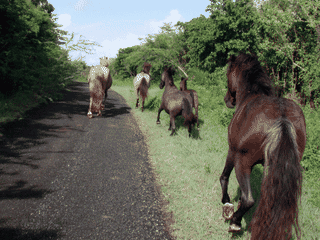
- Horses and chickens roam the streets, with roosters joining the nighttime soundtrack.
- The nickname 'Isla Nena' means 'Little Girl Island'.
See also
Overview
Vieques draws evening explorers to Mosquito Bay, where bioluminescent organisms glow blue-green. Boat tours and kayak trips offer ways to see the water light up.
Languages: English, Spanish
Why Go
Vieques is a small, rural Caribbean island belonging to Puerto Rico, about 8 miles east of the main island. Known as 'Isla Nena' or 'Little Girl Island,' it offers a rare blend of untouched nature and fascinating history. The island was home to a major U.S. naval base for decades, and much of the former military land is now managed by the US Park Service—creating remote beaches and the stunning Mosquito Bay, one of the world's most bioluminescent bays. Unlike developed resort islands, Vieques retains wild horses and chickens roaming streets, with a laid-back atmosphere that appeals to travelers seeking authentic Caribbean isolation.
Adapted from Wikivoyage contributors · CC BY-SA 4.0
Getting In
The main access to Vieques is via ferry from Fajardo on the main Puerto Rico island to Isabel Segunda, plus regular flights to Ceiba and San Juan airport connections. There are also flights and expensive charter boats to nearby Culebra. If arriving by private boat, you can head out to St. Thomas, the U.S. Virgin Islands, and other Caribbean destinations.
Adapted from Wikivoyage contributors · CC BY-SA 4.0
Getting Around
Renting a car is the most convenient way to explore Vieques, especially for reaching remote beaches accessed by dirt and gravel roads. The island also has a publico taxi system, though taxis primarily serve easily accessible beaches. Bicycle rentals are available on the island.
Adapted from Wikivoyage contributors · CC BY-SA 4.0
When to Go
Vieques can be visited year-round, though the bioluminescent bay experience varies by lunar calendar—the micro-organisms are not visible under a full moon, and boat tours are typically cancelled during the two or three days before and after a full moon. The Festival Viequense in Isabel Segunda (held July 20, 2008 as documented) celebrates local culture with costumes and festivities.
Adapted from Wikivoyage contributors · CC BY-SA 4.0
Where to Stay
Accommodation options range from budget guesthouses to boutique hotels. In Esperanza (tourist-oriented, southern side), options include Banana's Guesthouse ($65-90/night), Crow's Nest Inn ($114-225), and the upscale W Retreat & Spa ($350-600/night). In Isabel Segunda (main population center, northern side), Casa de Amistad offers rooms from $70-90, and Tropical Guest House ranges $69-139 with kitchenettes. Casa Dos Chivos near the airport provides 1-3 bedroom vacation rentals.
Adapted from Wikivoyage contributors · CC BY-SA 4.0
Food and Drink
Due to past military contamination concerns, no locally caught fresh fish or locally grown produce exists—all food is imported from Puerto Rico's main island, making everything more expensive. Local dining highlights include Tin Box (sushi bar and smokehouse in a treehouse setting), Chez Shack (unique outdoor jungle dining experience), and Shauna's in Isabel Segunda for authentic criollo Puerto Rican cuisine. For nightlife, Tin Box draws crowds with salsa bands, and Duffy's is a local hangout open daily except Mondays.
Adapted from Wikivoyage contributors · CC BY-SA 4.0
Things to Do
The Bioluminescent Bay (Mosquito Bay) is the island's crown jewel—boat tours and kayak trips (more ecologically sustainable) let you witness blue-green glowing micro-organisms. Blue Caribe Kayaks offers tours at $30/person starting at 6:45PM. Isabel Segunda features the last Spanish fort built in the Caribbean, El Fortin Conde de Mirasol (1845-1855), plus a Taino Indian stonehenge site. The mile-long Mosquito Pier (Rompeolas) was built during WWII as part of a breakwater project. Navy bunkers at the west end offer historical exploration, though roads are unmarked and single-lane dirt paths—bring enough gas and a local service station number.
Adapted from Wikivoyage contributors · CC BY-SA 4.0
Safety
Vieques has developed a reputation for petty crime, especially at beaches. Use common sense at remote beaches, particularly when bushes are present. Leave all valuables (passports, credit cards, electronics) at your lodging. Most car rental agencies advise leaving car doors unsecured and taking nothing inside—locked cars are likely break-in targets since thieves assume valuables are inside. Take only enough cash for drinks and lunch on beach days.
Adapted from Wikivoyage contributors · CC BY-SA 4.0
Connectivity
Internet access is available at the Vieques Conservation and Historical Trust (VCHT) in Esperanza and at Black Beard Sports ($3 for 30 minutes). For mobile connectivity, purchasing a local Puerto Rico SIM card would provide the best rates, though specific providers and pricing aren't detailed in the article. Power plugs follow U.S. standards.
Adapted from Wikivoyage contributors · CC BY-SA 4.0
Budget
A backpacker daily budget on Vieques runs higher than typical Caribbean destinations due to imported goods. Car rental is the biggest expense (~$25-75/day for bikes or vehicles). Bio-bay tours cost $25-30 per person. Meals at local eateries like Chicken King provide budget-friendly fried chicken and fries. Accommodation ranges from $65 (Banana's Guesthouse) to $139 (Tropical Guest House) for budget options. The W Retreat & Spa and luxury villas are available for higher budgets at $350-600/night.
Adapted from Wikivoyage contributors · CC BY-SA 4.0
Day Trips
Culebra, a nearby island, can be reached by flight or expensive charter boat—famous for its beaches and Flamenco Beach. St. Thomas and the U.S. Virgin Islands are accessible by private boat. Most visitors use Vieques as a base to explore Puerto Rico's main island, taking the ferry to Fajardo or flights from Ceiba or San Juan.
Adapted from Wikivoyage contributors · CC BY-SA 4.0
Etiquette
Spanish is the working language of locals, though English is known by most but not all residents. Residents appreciate visitors who try to speak Spanish; knowing a few words will make a difference. The island has a rural, laid-back character—horses and chickens run wild in streets, and roosters and dogs are heard at night.
Adapted from Wikivoyage contributors · CC BY-SA 4.0
Go Next
Most visitors arrive from Puerto Rico's main island via ferry from Fajardo or flights to Ceiba and San Juan. From there, onward destinations include Culebra (flights or charter boats), St. Thomas, the U.S. Virgin Islands, and other Caribbean islands reachable by private boat.
Adapted from Wikivoyage contributors · CC BY-SA 4.0
Field guide adapted from Wikivoyage contributors · CC BY-SA 4.0. Text has been adapted and organized for this guide. About our sources.
Places to know
A few starting points from the guide. Check current hours and prices before you go.
- sleep
Banana's Guesthouse
A decent guesthouse located on the southern coastline.
Recorded price: $65-90 per night
Adapted from Wikivoyage contributors
- sleep
Beach House Vieques
Three bedroom beachfront bungalows with private pool, washer/dryer, hammock and beach chairs
Recorded price: $1000 per week
Adapted from Wikivoyage contributors
- sleep
Bravo Beach Hotel
10-room boutique hotel, modern/minimalist in design, 2-bedroom 2-bath private villa available on the property, 2 swimming pools, daily continental breakfast,
Recorded price: Low Season: $125-$375; High Season: $150-$375; Christmas/New Year Week: $175-$400
Adapted from Wikivoyage contributors
- sleep
Casa Dos Chivos
Casa Dos Chivos is a 1 or 3-bedroom vacation rental house. This chic house overlooks the ocean and nearby islands.
Adapted from Wikivoyage contributors
- sleep
Casa de Amistad
Comfortable guest house with a communal kitchen, small but pretty pool, located in the middle of Isabel Segunda. Not fancy by any means, but several steps above the youth hostel it used to be.
Recorded price: $70 for one queen bed room, $85 for two full beds room, $90 for two room suite, two full beds in the bedroom and a separate sitting room, private bath
Adapted from Wikivoyage contributors
- sleep
Crow's Nest Inn
Recorded price: $114 for double occupancy, $124 for a garden suite or $225 for a two bedroom, two bath with a deck suite
Adapted from Wikivoyage contributors
- sleep
Hacienda Tamarindo
Hacienda Tamarindo, offers 16 very special rooms, each lovingly and creatively designed and decorated by owner, Linda Vail. Each guest room and public space is unique; imaginatively spiced with a lifetime’s accumulation of art, antiques, and collectibles. Amenities include: swimming pool, honor bar, box lunches, beach chairs, towel and cooler.
Adapted from Wikivoyage contributors
- sleep
Hix Island House Hotel
Eco-friendly hotel designed by Canadian Architect John Hix. This hotel has 19 "lofts", each with outdoor showers and full kitchens. Buildings include Casa Rectangular, Casa Redonda, Casa Triangular, La Casona, and the newest off-grid building Casa Solaris. Casa Solaris is the first of its kind in the Caribbean, being completely self sustaining with LED lights, high-efficiency appliances all run off of 24 solar panels and 12 batteries. Daily yoga classes are held in the outdoor pavilion.
Recorded price: 135-450
Adapted from Wikivoyage contributors
Before you go
Connectivity
Limited internet at VCHT and Black Beard Sports. Purchase a local Puerto Rico SIM card for mobile data.
Culture
Spanish is the primary language. Locals appreciate visitors attempting Spanish. The island has a rural, undeveloped Caribbean character.
Health
All food and water is imported from Puerto Rico's main island. No locally caught fresh fish or locally grown produce due to soil contamination concerns from former naval activities.
Money
U.S. dollars are used throughout Vieques. All goods are imported from Puerto Rico's main island, making everything more expensive than typical Caribbean destinations.
Safety
Petty crime occurs at beaches. Leave valuables at lodging, take minimal cash for beach days, and follow car rental advice to leave doors unsecured.
Transport
Renting a car is essential for reaching remote beaches. Ferry service connects to Fajardo; flights go to Ceiba and San Juan.
Weather
Visit year-round. For the bioluminescent bay, avoid the two to three days before and after a full moon when tours are cancelled.