Overview
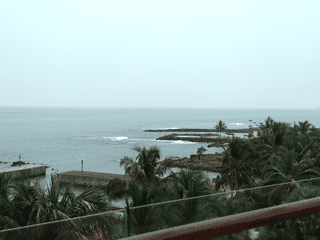
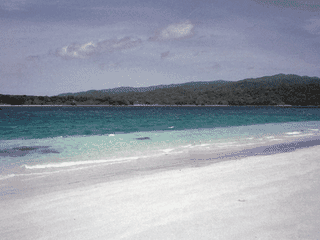
Ujung Kulon is Indonesia's first national park and a UNESCO World Heritage Site since 1992, protecting the largest remaining lowland rain forest in Java. It serves as the last refuge for the critically endangered Javan rhino, with approximately 70-76 individuals remaining.
Beach · Nature · Trekking · Wildlife
Where it is
Ujung Kulon National Park is 163 km west of Bogor.
Before you go
Connectivity
No mobile phone coverage exists within the park. Inform family of your itinerary before entering. Communication only at park ranger stations.
Health
Malaria prophylaxis is strongly advised. Mosquito repellent is mandatory year-round. The park is remote—bring personal medications, sunscreen, and first-aid supplies.
Money
Cash is essential throughout the park area. Bring Indonesian Rupiah from Jakarta as no ATMs exist near the park. Tour packages (Rp 1.5-3 million) and homestay (200,000 Rp/double) accept cash.
Packing
Bring superzoom camera for wildlife, insect repellent, sunscreen, water bottles, snacks, cash in Rupiah, and sturdy boots for volcanic sand trails with minimal shade.
Safety
Muggings have occurred in remote areas. Always take a jagawana (forest guard). Use boats with three+ engines for ocean crossings. Avoid December-February monsoon season.
Transport
Public transport involves multiple bus changes: Kalideres (Jakarta) to Labuan (Rp 25,000, 3 hours), then to Sumur, then to Taman Jaya. From Taman Jaya, early morning minibuses return to Labuan. Tours from Anyer include boat transport to Peucang Island.
Weather
Lowland tropical rainforest climate. Dry season (April-October) is optimal for wildlife viewing and clear water. West monsoon (December-February) floods trails and creates dangerous ocean conditions.