Overview
Tasmania is Australia's island state southeast of the mainland, encompassing the main island and over 1000 smaller islands. Over 45% is protected by national parks and UNESCO World Heritage sites, featuring diverse climates, flora and fauna found nowhere else in Australia.
Diving · History · Island · Nature · Trekking
Where it is
Why Go
Tasmania is Australia's island state southeast of the mainland, encompassing the main island and over 1000 smaller islands. Over 45% is protected by national parks and UNESCO World Heritage sites, featuring diverse climates, flora and fauna found nowhere else in Australia. The island has a rich Indigenous and post-colonial heritage, with inhabitants notably more polite, friendly and helpful than mainland city dwellers.
Regions
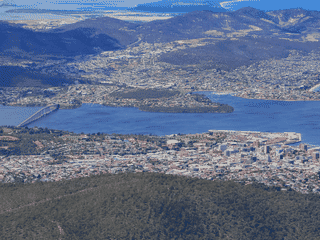
Southern Tasmania includes the capital Hobart and Australia's second oldest city. Eastern Tasmania encompasses Launceston, the Tamar Valley, Ben Lomond mountains, the Midlands, and stunning beaches including the Bay of Fires and Wine Glass Bay. Central, Western and North Western Tasmania features historic mining centres with Victorian architecture, coastal townships, and the takayna/Tarkine Gondwanan rainforest. Bass Strait Islands include King Island, Flinders Island, and the Kent Group.
When to Go
Tasmania has a cool temperate climate comparable to northern Europe or Vancouver. Spring runs September to November with frequent snowfalls at higher elevations. Summer from December to February offers about 15 hours of daylight from 5:30AM to 8:30-9:30PM. Autumn from March to May brings changeable weather. Winter from June to August has only about 9 hours of daylight from 8AM to 4:30PM, with good snowfall in high areas. The southwest and West Coast receive the most rainfall in Australia.
Get In
Tasmania is an island state with a land border only across Boundary Islet to Victoria, the shortest interstate land border in Australia at just 85 metres. Visitors typically arrive by air to Hobart International Airport or by ferry from the mainland.
Parks and Wilderness
The Tasmanian Wilderness UNESCO World Heritage site covers about a quarter of Tasmania. The 19 national parks include Cradle Mountain-Lake St Clair National Park with the famous Overland Track, Freycinet National Park home to Wineglass Bay, Franklin-Gordon Wild Rivers National Park with waterfalls, Ben Lomond National Park with ski resort, Hartz Mountains National Park one hour from Hobart, Mount Field National Park, Southwest National Park the largest for Southern Lights viewing, and Port Arthur former convict settlement UNESCO site.
Food and Drink
Tasmania produces much of its own food including saffron, tea, truffles and wasabi. King Island is known for gourmet cheeses and beef, Huon Valley for apples. Seafood culture includes salmon, abalone, scallops, oysters, mussels and crayfish, with curried scallop pies being a signature specialty. Two major breweries offer tours: Cascade Brewery in Hobart and J. Boag & Sons Brewery in Launceston. Tasmania is the centre of Australia's craft whisky industry with award-winning distilleries including Sullivans Cove in Cambridge and Lark in Hobart. Wine routes include Tamar Valley, Derwent, Coal River and Huon Valleys.
Where to Stay
Accommodation ranges from camping to 5-star luxury. Tasmania is particularly renowned for hosted bed and breakfast accommodation in heritage-listed and modern properties. Four YHA branded hostels are available plus independent operators around the state with prices ranging from AUD 10-30.
Buy
Tasmania's most famous product is leatherwood honey, available at numerous honey farms across the island. Single-use plastics are banned in most local government areas. Tipping is unusual in Tasmania as wages are generally below mainland Australia.
Etiquette
Tasmanians are generally more laid-back and friendly than mainland counterparts and are usually willing to help when asked. The 1996 Port Arthur Massacre should not be brought up as it may be sensitive even outside the site. However, Tasmanians are relaxed about discussing the island's convict history.
Go Next
Geelong and Melbourne are obvious next destinations, with Geelong reachable by ferry and Melbourne by plane. Antarctica flights depart from Hobart during summer months.
Guide text adapted from Wikivoyage contributors under CC BY-SA 4.0.
Where to start
Sleep
YHA Hostels Tasmania
Four YHA branded hostels plus independent operators across the state
Price when recorded: AUD 10-30
Eat
Curried Scallop Pies Vendors
Tasmanian specialty available at bakeries and food vendors
Eat
Tasmanian Seafood Restaurants
Dedicated seafood restaurants offering salmon, abalone, scallops, oysters, mussels and crayfish
See
Bay of Fires
Stunning beach voted among the most beautiful in the world
See
Ben Lomond National Park
Mountain national park with ski resort
See
Cradle Mountain-Lake St Clair National Park
Iconic landmark with the Overland Track, part of Tasmanian Wilderness UNESCO World Heritage site
See
Franklin-Gordon Wild Rivers National Park
Part of Tasmanian Wilderness with several waterfalls, Tasmania's second largest national park
See
Hartz Mountains National Park
Mountainous national park one hour from Hobart, UNESCO World Heritage site
Before you go
Safety
Tasmanians are generally friendly and helpful. The 1996 Port Arthur Massacre may be a sensitive topic.
Tipping
Tipping is unusual in Tasmania as wages are generally below mainland Australia.
Transport
Hobart Airport is 20 minutes from the city. A car is recommended for exploring remote areas and four-wheel-drive trails.
Weather
Tasmania has a cool temperate climate with 'four seasons in a day' common. The southwest receives the most rainfall in Australia. Sea temperatures remain low year-round.