
Overview
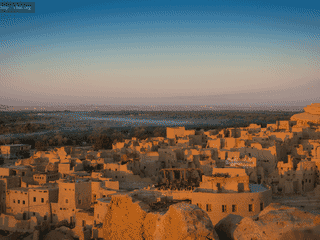
Egypt's most remote western oasis blends salt lakes, palm groves, ancient ruins, and a distinct Berber culture. The Temple of the Oracle gives this quiet desert community a powerful historical focus.
Desert · Culture · History · Off The Trail · Nature
Did you know?
- A four-wheel-drive is needed for desert outings and sights beyond the compact town.
- Siwi is the local Berber language, alongside Egyptian Arabic.
- Alexander the Great asked at the Oracle Temple whether he was the son of Zeus.
Why Go to Siwa
Siwa is Egypt's most remote western oasis, lying 300 km from the Mediterranean coast at Marsa Matruh. This isolated desert community is famous for the Temple of the Oracle, where Alexander the Great sought divine legitimization for his rule. The town has a distinct Berber culture and language (Siwi), and the surrounding landscape features salt lakes, palm groves, and ancient ruins. Unlike Egypt's better-known destinations, Siwa sees far fewer tourists, offering an authentic oasis experience with traditional crafts, date production, and conservative social norms.
Getting In
There are no flights to Siwa, making the two long desert roads the only approach. Buses connect Siwa to Marsa Matruh on the Mediterranean coast, with the journey taking approximately 6-8 hours. From Marsa Matruh, you can continue to Alexandria or Cairo. The main bus stop is in the broad street outside the police station, where tickets go on sale about an hour before departure. Taxis also gather in this area.
Getting Around
Siwa town is compact enough to explore on foot. For outlying sights like the Temple of the Oracle (4 km east), Gebel el-Mawta (1 km north), and the various desert excursions, you'll need a 4x4 vehicle. Local taxi drivers and tour operators offer day trips and overnight safaris to sites like Gebel Darkur, Bilad er-Rum, and Maraqi. Walking between the main market square, hotels, and restaurants is straightforward in the town center.
When to Go
The best time to visit Siwa is during the cooler months from October to March, when daytime temperatures are more manageable (around 20-25°C). Summer months bring extreme heat near 40°C, while winter nights can drop to around 5°C. Rainfall is almost nonexistent year-round. The equinox sunrise at Timasirayn temple (March 21 and September 23) draws visitors who watch the sunrise align with the Temple of the Oracle on the horizon. October features a village festival at Gebel Darkur, though this is a local family reunion rather than a tourist event.
Where to Stay
Accommodation in Siwa ranges from basic budget options to boutique eco-lodges. The Cleopatra Hotel offers the best value with singles from LE14-18 and doubles from LE25-42 depending on bathroom facilities. The Palm Trees Hotel provides private rooms from LE15 with shared bath in a large garden setting, though bed bugs have been reported. For more character, the Albabenshal Hotel and SiwaShali Lodge both charge around LE375 per double room and are decorated in authentic Siwan style with palm frond furniture and colorful Bedouin carpets. The Ghaliet Ecolodge near the Oracle offers a peaceful garden setting with 13 unique rooms and a swimming pool.
Food and Drink
Siwa Dates are considered the best in Egypt, sold in shops around Market Square for LE7-8 per 500g box. They're also sold stuffed with almonds and chocolate. Local restaurants cluster around Market Square and the road to the bus station. Abdu's Restaurant offers breakfast and diverse entrées from LE6-25, while East-West provides fresh fish, pigeon, and pizzas from LE3-15. For budget eating, the Nour El Waha Restaurant (LE2-5) serves Egyptian and Western cuisine in a palm grove opposite the market. Abou Ayman near the Shalientrance is known for grilled chicken and kofta at around LE20 for half a chicken. Siwan Tea, a red tea commonly served on desert safaris, costs about LE15 for a 500g box of tea leaves.
Things to Do
The Temple of the Oracle (Aghurmi) sits on a hill 4 km east of town and charges LE50 for foreigners (LE25 adults, LE15 students). Built around 570 BCE and dedicated to the god Amun, this is where Alexander the Great asked if he was the son of Zeus. Nearby, the Temple of Umm Ubeida (400m south) is free to enter but only one wall remains after an 1897 demolition. Gebel el-Mawta (Mountain of the Dead) 1 km north has Ptolemaic and Roman rock tombs open Sa-Th 9AM-3PM (LE50 for adults). Cleopatra's Bath is a natural hot spring at 29°C located 900m south of the Temple of Umm Ubeida. Fatnas Island, 6 km west, offers bathing in hot springs and sunset views over the silted lake. Desert excursions by 4x4 can reach Gebel Darkur (4 km southeast) for climbing and sand burial therapy, as well as more distant sites like Bilad er-Rum and Maraqi (30-35 km west) with rock tombs and ruins.
Safety
Siwa is extremely safe as a very conservative and traditional town. There is no risk of theft or physical violence as long as travelers behave according to expected norms (see Respect below). Mosquitoes can be a small nuisance, particularly around the lake areas and during evening hours. Standard desert precautions apply: stay hydrated, protect against sun exposure, and inform someone of your plans when venturing into more remote areas.
Connectivity
Internet and phone services in Siwa are limited. Gas stations (beside the mosque in Shaliland behind Hotel Arous al-Waha) may have basic connectivity. The telephone office is located across the street from Hotel Arous al-Waha, alongside the post office and police station. Mobile coverage may be available but can be unreliable in remote areas. Visitors should not expect high-speed internet or extensive WiFi availability; it's advisable to handle essential communications before arriving in the oasis.
Budget
Siwa is very affordable for backpackers. Budget travelers can eat well on LE20-30 per day for meals, with street food and local restaurants offering excellent value. Accommodation ranges from LE14-18 for budget singles at Cleopatra Hotel up to LE375 for boutique lodges. Transport to/from Siwa is the main expense, with bus fares to Marsa Matruh taking several hours. Activities like temple visits cost LE50 for foreigners, while desert excursions require hiring a 4x4. Daily budget excluding transport could be LE150-300 depending on accommodation choices.
Etiquette
Siwa is conservative and visitors should dress modestly. Women should not wear clothing that reveals shoulders, breasts, or legs. Public displays of affection are prohibited. Alcohol should not be consumed in public. Male travelers should avoid contact with local women as this is considered rude and hostile. During Ramadan, additional restrictions apply and many businesses may have limited hours. Always ask permission before photographing people, especially women. When visiting mosques or religious sites, remove shoes before entering.
Go Next
The only open route from Siwa is back to the Mediterranean coast at Marsa Matruh, approximately 6-8 hours by bus. From Marsa Matruh, explore the wartime sites (World War II battles) before continuing to Alexandria or Cairo. The journey north offers views of the changing desert landscape as you approach the coast. There are no roads south of Siwa, making the return journey the only option for onward travel.
Guide text adapted from Wikivoyage contributors under CC BY-SA 4.0.
Where to start
Sleep
Albabenshal Hotel
Boutique hotel. Albabenshal offers 11 guest rooms on three levels, connected through a network of alleyways and terraces that look over central Shali and the palm groves beyond. Inside, guest rooms are furnished and decorated in authentic Siwan style, with colorful Bedouin carpets, palm frond chairs, tables and beds, and linens of fine Egyptian cotton embroidered by women of the oasis (Siwa Creations). On the main terrace, the Albabenshal Restaurant serves a diverse offering of Siwan dishes.
Price when recorded: LE375 for double room
Sleep
Cleopatra Hotel
Probably the best value in Siwa. Staff will only clean rooms when requested to do so.
Price when recorded: Single LE14 w/o bath, LE18 w/bath; Double LE25 w/o bath, LE30 w/bath; Triple LE38 w/o bath, LE42 w/bath
Sleep
Ghaliet Ecolodge
Peaceful boutique garden hotel in the palms near the Amun Oracle and Amun Temple. With restaurant, swimming pool, roof terrace and small bazaar. 13 unique guest rooms. Request one of the upper rooms with skylight windows for a special sleeping under the stars experience. Request one of the lower rooms with small backyard gardens for your own outdoor privacy.
Sleep
Palm Trees Hotel
Bed bugs have been reported. Opt for the "chalets" rather than rooms in the main building. Bathrooms can be quite grotty, and don't count all of the toilets being functional. Very large, nice garden with trees and fire pit, where the staff will sit at night with guests. Roof terrace with a view of the oasis and Shali, can be used to hang clothes to dry if needed. Laundry done at LE1 per piece.
Price when recorded: LE15 for a private room with a shared bath
Sleep
Siwa Safari Paradise Hotel
Overpriced and tacky. Bungalows and main building. De luxe hotel with air conditionning, cafeteria, restaurant, swimming pool. Visa card is accepted
Sleep
Siwa Shali Lodge
16 rooms. Just a few minutes’ walk from downtown Siwa along a palm-covered dirt road, the 16-room Shali Lodge has simple yet elegant rooms furnished with palm frond chairs, tables and beds, complemented with colorful Bedouin carpets. Highly regarded restaurant with several different places to eat. Specialities include date omelet, lamb casserole or vegetarian tajin, each flavored with fresh herbs of the oasis.
Price when recorded: LE375
Sleep
Siwa Villa
Traditionally restored boutique hotel. Run by an English family who live in the oasis.
Price when recorded: LE150 for a room; LE1,000 for the whole villa
Sleep
Taghaghien Island Resort
Price when recorded: Single from LE200; double from LE300
Before you go
Connectivity
Limited internet and phone services. Gas stations and telephone office near Hotel Arous al-Waha offer basic connectivity options.
Culture
Siwa has a distinct Berber culture with Siwi as the mother tongue, though Egyptian Arabic and some English are widely spoken. The community is conservative with traditional social norms.
Money
Egyptian Pounds (LE) are used. ATMs may be limited in Siwa; bring sufficient cash from larger cities. Some hotels accept cards but many establishments are cash-only.
Safety
Siwa is extremely safe for travelers who respect local customs. No theft or violence risks for visitors who follow expected norms.
Transport
Buses to/from Marsa Matruh depart from the main bus stop near the police station. Tickets go on sale about an hour before departure. No internal flights or trains serve Siwa.
Weather
Hot desert climate with temperatures reaching near 40°C in summer and 5°C in winter. Almost zero rainfall. Best visited October to March.