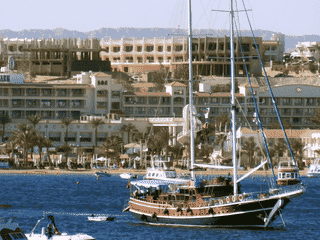

Sharm el-Sheikh
Africa · Egypt
Did you know?
- Old Market grills serve kebab, kofta, and stuffed pigeon until 04:00.
- Ras Mohammed and Tiran Island offer accessible Red Sea diving and snorkeling.
- Two-hour quad-bike or buggy outings cost around US$20–25 per person.
See also
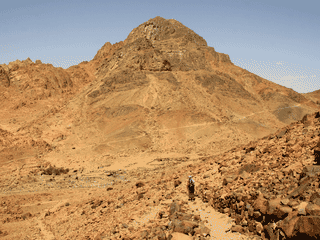

Mount Sinai
Egypt28.53°N 33.97°E · 2,287 m
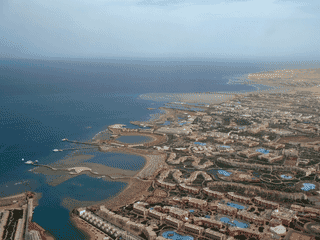

Hurghada
Egypt27.25°N 33.82°E · 11 m
Dahab
Egypt28.49°N 34.50°E · 21 m
El Gouna
Egypt27.39°N 33.68°E · 8 m
Tala Bay
Jordan29.41°N 34.98°E
Overview
Sharm el-Sheikh is a developed Red Sea base for diving, snorkeling, desert excursions, and resort nightlife. Its access to Ras Mohammed, Tiran Island, and Sinai landscapes gives it more range than a beach resort alone.
Languages: Arabic
Why Go?
Sharm el-Sheikh is Egypt's most developed resort city, sitting at the south tip of the Sinai Peninsula backed by rugged desert mountains. The main draws are world-class scuba diving and snorkeling in the Red Sea, with Ras Mohammed National Park and Tiran Island easily accessible. It also serves as a base for desert adventures including Bedouin camps, Colored Canyon treks, and camel safaris. Unlike Egypt's inland cities, Sharm saw little of the Arab Spring turmoil and maintains heavy security, making it a relatively stable tourist hub.
Adapted from Wikivoyage contributors · CC BY-SA 4.0
Understand
Sharm el-Sheikh remained an insignificant fishing village until the 20th century when it developed as a naval base controlling shipping lanes in the Gulf of Aqaba and Gulf of Suez. Israel occupied the area in 1967 and developed it as a tourist resort until their withdrawal between 1979-1982. By the 1980s, Egypt was becoming a mass-tourist destination and Sharm continued to grow, especially under President Mubarak's support. However, terrorist attacks in 2005 (88 killed), the Sinai insurgency starting in 2011, and the 2015 airliner downing severely impacted tourism. Flights resumed in late 2019, followed by COVID-19 shutdowns. The climate is very dry with sometimes no rain all year; summer days are blisteringly hot while winter days are shirt-sleeve warm but nights are cold with a shimal (cold north wind).
Adapted from Wikivoyage contributors · CC BY-SA 4.0
Get In
Sharm el-Sheikh Airport (SSH) is the largest in the Sinai, receiving daily charter flights in winter high season. EgyptAir handles local flights while WizzAir operates ultra-low-cost routes from Rome, Milan, Naples, Venice, and Vienna. Terminal 1 handles EgyptAir and EasyJet; Terminal 2 is adjacent. For Sinai-specific entry, see the Sinai article for information on the Sinai visit pass, which allows visa-free travel for up to 14 days.
Adapted from Wikivoyage contributors · CC BY-SA 4.0
Get Around
Local transport includes taxis and local buses. Taxis are inexpensive for getting between areas like Na'ama Bay, Old Market, and the northern districts of Nabq and Montaza (about 12 km from Na'ama Bay). The zebra crossings on main roads are largely ignored by drivers. Many hotels operate shuttle buses to the beach, though some incur local fees. For trips to Dahab, expect to pay LE150 each way by taxi or LE20 to the bus station plus LE5-10 for a pickup into town.
Adapted from Wikivoyage contributors · CC BY-SA 4.0
When to Go
The best time to visit is October through April when temperatures are comfortable (20-30°C daytime) and water temperatures are pleasant for diving. Summer (June-August) is extremely hot (up to 38°C) with blistering days. Winter nights can be cold with the shimal wind. Avoid inland Sinai trips during security warnings—US and Australian governments recommend against non-essential travel to southern Sinai, though Sharm itself and immediate surrounds are exempt.
Adapted from Wikivoyage contributors · CC BY-SA 4.0
Where to Stay
Most hotels in Sharm, particularly in Na'ama Bay, cater to package tourists with mostly 3-6 star all-inclusive properties. Budget options are very limited; the Egyptian Youth Hostel offers dorm beds at LE105 and private rooms at LE135 for foreigners. Nabq and Montaza areas are about 12 km north, requiring taxis or hotel shuttles. When booking, consider that it's best to knock one star off the official rating to avoid disappointment. Private apartment rentals are economical but vary in facilities.
Adapted from Wikivoyage contributors · CC BY-SA 4.0
Food and Drink
Resort hotels offer international buffet-style dining, but for authentic Egyptian cuisine try Old Market spots like El Masrien (open 12:00-04:00) serving kebab, kofta, and stuffed pigeon, or Fawanes Cafe in Na'ama Bay for Lebanese food and waterpipes. A 10-15% service charge is added to most bills. Note that pork is not sold even when advertised on menus—it's actually salted beef. Tea and coffee cost around LE15-25 at cafes. Fresh guava juice and Bedouin or mint tea are local must-tries. For hassle-free shopping, Carrefour Express (hidden behind Golden Pyramid Mall on Peace Road) has fixed prices.
Adapted from Wikivoyage contributors · CC BY-SA 4.0
Things to Do
Sharm Old Town offers a traditional market experience different from resort areas—ignore touts outside shops and stay firm on prices. Na'ama Bay is the tourist center with huge fans pumping fresh air to street cafes. Desert excursions to Bedouins, Colored Canyon, White Canyon, and quad bike or buggy safaris are highly recommended, with Tiba Safari charging around US$20-25 per person for 2 hours. Boat and snorkeling trips to Ras Mohammed National Park and Tiran Island are popular, with glass-bottom boats available for non-swimmers. For culture, day trips to Saint Catherine's Monastery and Mount Sinai are available, or longer trips to Cairo's pyramids and Luxor.
Adapted from Wikivoyage contributors · CC BY-SA 4.0
Stay Safe
As of 2025, Sharm el-Sheikh is generally considered the safest place in the Sinai Peninsula. A wall surrounds the city with military/police checkpoints on main streets and every vehicle is checked upon entry. However, US and Australian governments warn against travel to inland Sinai, Dahab, or road travel to Cairo. Food poisoning and traveler's diarrhea are common among European visitors—avoid food not cooked in front of you, and never drink tap water (bottled water is essential). There have been shark attacks: swim near the coastline with others, avoid swimming at night or early morning, and stay away from ports with unpredictable seas.
Adapted from Wikivoyage contributors · CC BY-SA 4.0
Go Next
Dahab is a relaxed resort 90 km north (about one hour by mountainous road) famous for the Blue Hole dive site. Cairo and Giza offer classical ancient Egyptian sights including the pyramids, Sphinx, and Egyptian National Museum—worth several days. If the ferry resumes, Hurghada connects to Luxor for valley temples and tombs.
Adapted from Wikivoyage contributors · CC BY-SA 4.0
Field guide adapted from Wikivoyage contributors · CC BY-SA 4.0. Text has been adapted and organized for this guide. About our sources.
Places to know
A few starting points from the guide. Check current hours and prices before you go.
- eat
El Masrien
Offering Egyptian barbeque cuisine including Kabab, Kofta, Reyash, Nefa, Tarab & liver, all types of oriental dishes including veal shank, stuffed pigeon & stuffed duck, all types of pasta & rice & different types of stuffed vegetables. Alcohol free. Enjoy all types of grills. Also worth is GAD a few more doors down, look for the big red sign. Both are full of locals.
Adapted from Wikivoyage contributors
- eat
Fares Seafood
All kinds of seafood fresh from the Red Sea.
Adapted from Wikivoyage contributors
- eat
Fawanes Cafe
Lebanese cuisine. Good place for waterpipes; order a smaller one (Fawanes); apple one is ideal.
Adapted from Wikivoyage contributors
- eat
Indian restaurants
There are 3 Indian restaurants in Sharm. One is Maharaja, on the beach pathway. Other two are India House Restaurants, of Thai Chain hotels. One is the old market and another one, opposite little Buddha, on the road near the taxi stand. Can get Indian menus.
Adapted from Wikivoyage contributors
- eat
Onions
Fusion food, good services and reasonable prices.
Adapted from Wikivoyage contributors
- eat
Safsafa
Probably one of the best fish cafes in the town. A rare place where grilled calmaras are really good. However, the lobster included in the mixed seafood plate is dry.
Adapted from Wikivoyage contributors
- eat
Tempo Cafe
Features some percentage of locals. Waiters are uniformed in distinctive orange-and-green. Waterpipe is good, but when served for several people (with many hoses), the menu price may be multiplied by number of people--ask in advance; maybe it's just a scam.
Adapted from Wikivoyage contributors
- see
Al Sahaba Mosque
After years of construction, this large mosque in old market has been completed. Built in an Ottoman architectural style, it could easily be mistaken for having been there for hundreds of years.
Adapted from Wikivoyage contributors
Before you go
Connectivity
WiFi is available at hotels but can be expensive (Noria Resort charges €3/hour). Local SIM cards available for mobile data.
Food
Resort buffets dominate, but Old Market has authentic Egyptian grills. Watch for 10-15% service charges and note that advertised pork is actually salted beef.
Health
Traveler's diarrhea is common; only drink bottled water, avoid unrefrigerated food. Tap water is safe for brushing teeth but not drinking.
Money
Local currency is Egyptian Pounds (LE). Water costs LE3-5 in shops; sunscreen LE80-200. Tea and coffee at cafes run LE15-25. Budget travelers should seek fixed-price shops like Carrefour Express.
Safety
Heavy military presence and checkpoints make central Sharm safe, but inland Sinai and Dahab trips carry warnings from US and Australian governments.
Transport
Sharm el-Sheikh Airport (SSH) receives charter and budget flights. Local transport relies on taxis and buses; drivers often ignore pedestrian crossings.
Visa
The Sinai visit pass allows visa-free travel for up to 14 days. Other Egyptian travel may require a visa—check current requirements.
Water
The Red Sea has had fatal shark attacks. Swim near coastline with others, avoid night swimming, and stay away from ports.