Overview
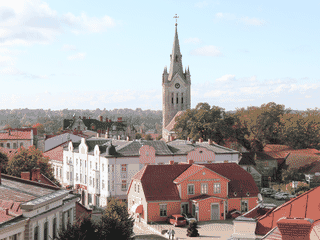
Seda is one of Latvia's youngest towns, built in 1953 specifically for peat marsh workers, and it remains frozen in time as an unusually well-preserved example of post-WWII Stalinist architecture in the Baltic states. The town centre features iconic yellow-covered buildings with ornate columns and palatial facades—typically found across Russia but rare here.
Architecture · Budget Travel · History · Nature
Before you go
Connectivity
Mobile coverage is likely available (Latvian networks) but WiFi and internet cafes are not documented in Seda.
Food
Only one small shop exists in Seda's central square with unreliable hours. Bring food supplies from Valka or Riga.
Money
Latvia uses the Euro (EUR). ATMs and card facilities are minimal in this small town; bring sufficient cash from larger centres.
Safety
Seda is a quiet, small town with minimal crime risk. The main caution is navigating the unmarked peat bogs—carry GPS or maps.
Transport
Three trains and several buses daily connect Seda with Riga and onward to Valga, Estonia. Seda itself is walkable; no local transport needed.