Riberalta
South America · Bolivia
Did you know?
- A motorbike sculpture is assembled from metal parts and pipes.
- Sunday's La Feria fills the center with fruit, clothing, cosmetics and other goods.
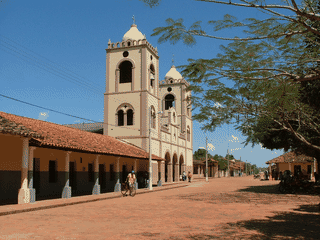
- Iron-rich soil gives streets and dry-season dust a distinctive pink color.
See also
.jpg)
San Joaquín
Bolivia13.04°S 64.67°W · 142 m
Overview
Riberalta sits where the Madre de Dios and Beni rivers meet in Bolivia's Amazon basin. River views and nearby nature reserves shape a stay in this northern frontier city.
Languages: Aymara, Guaraní, Quechua, Spanish
Why Go?
Riberalta is a frontier city in Bolivia's Beni Department that has transformed from dusty streets to modern tiled avenues, with distinctive pink-hued roads caused by the local iron-rich soil. The city serves as a gateway to the Amazon basin and sits at the confluence of two major rivers—Madre de Dios and Beni—offering river views and access to nature reserves. It provides a quieter, more authentic alternative to tourist-heavy destinations while offering glimpses into Amazonian frontier life.
Adapted from Wikivoyage contributors · CC BY-SA 4.0
Getting In
Riberalta is accessed primarily by road; the city is connected to other destinations in the Beni region. Travelers typically arrive via bus from Trinidad or other regional towns. The city sits at the border region with Brazil, making it accessible from the Brazilian side as well. Flights to Beni region may connect through Trinidad.
Adapted from Wikivoyage contributors · CC BY-SA 4.0
Getting Around
The main form of transport within Riberalta is motorcycle taxis (motos), which charge around Bs. 4-5 for rides anywhere within town. Flag down any passing motorbike to arrange transport. Addresses are not commonly used; instead, provide the name of your destination. Motorcycles can also be rented near the plaza principal for approximately US$6 per day for exploring surrounding areas. Be aware that many roads outside town are deeply potholed, requiring slow speeds.
Adapted from Wikivoyage contributors · CC BY-SA 4.0
Sights
The city's defining feature is the pink color everywhere, coming from the iron-rich soil that colors the streets and dust in dry season. Metal sculptures dot the streets—look for a woman holding a book and child, a villager with family and crocodile, and a motorbike made from metal parts and pipes. The main plaza is green and pleasant, with the cathedral nearby offering both exterior (appearing organically expanded over time) and interior views with a modern, calm atmosphere open in evenings. A viewpoint overlooks the dramatic confluence where the Madre de Dios and Beni rivers meet. The Reserva Municipal Aquicuana lies to the northeast for nature exploration.
Adapted from Wikivoyage contributors · CC BY-SA 4.0
Buy
On Sundays, "La Feria" fills the center with vendors selling fruits, cosmetics, clothing, and various goods at cheap prices. This weekly market is the best opportunity to experience local commerce and find bargains. Everyday shopping can be done at small shops scattered throughout town.
Adapted from Wikivoyage contributors · CC BY-SA 4.0
Eat
Food options are limited in Riberalta. At the main plaza, there is a place serving salads. Beyond this, expect basic local fare at small eateries around town. The Sunday market may offer additional food vendors. Prices are generally low given the frontier town setting.
Adapted from Wikivoyage contributors · CC BY-SA 4.0
Where to Stay
Accommodation options are modest but functional. Hotel Campus near the main plaza offers rooms starting at Bs. 30 and includes a pool. Casco Viejo, also close to the plaza, provides private bathrooms at Bs. 80 per bed. Anexo Laza near the center offers cheaper options for budget travelers. Hotel Colonial near the plaza is the most upscale choice with beds starting above Bs. 200. Budget options are spread throughout town for those willing to explore.
Adapted from Wikivoyage contributors · CC BY-SA 4.0
Go Next
Trinidad, the capital of Beni Department, is a charming town and gateway to other Beni destinations and onward to Santa Cruz. Shared taxis depart regularly. Guayaramerín on the Mamoré River is a border town shared with Brazil, reachable in 1 hour by shared taxi for 35 Bs—a good option for border crossings or Brazilian visa runs.
Adapted from Wikivoyage contributors · CC BY-SA 4.0
Field guide adapted from Wikivoyage contributors · CC BY-SA 4.0. Text has been adapted and organized for this guide. About our sources.
Places to know
A few starting points from the guide. Check current hours and prices before you go.
- sleep
Anexo Laza
Cheaper option near town center
Adapted from Wikivoyage contributors
- sleep
Casco Viejo
Hostel near plaza with private bathroom
Recorded price: Bs. 80 per bed
Adapted from Wikivoyage contributors
- sleep
Hotel Campus
Basic hotel near plaza with pool, rooms at various price points
Recorded price: From Bs. 30
Adapted from Wikivoyage contributors
- sleep
Hotel Colonial
The most upmarket.
Recorded price: >Bs. 200 for a bed
Adapted from Wikivoyage contributors
- eat
Plaza Salad Place
Informal spot at main plaza serving salads
Adapted from Wikivoyage contributors
- see
Catedral de Riberalta
Cathedral at plaza, modern interior, open evenings
Recorded price: Free
Adapted from Wikivoyage contributors
- see
Plaza Principal
Central green plaza, heart of the city
Recorded price: Free
Adapted from Wikivoyage contributors
- see
Reserva Municipal Aquicuana
Municipal nature reserve northeast of city
Adapted from Wikivoyage contributors
Before you go
Money
Local currency is Boliviano (Bs). Basic hotels start at Bs. 30, meals are cheap. Sunday market offers affordable goods.
Safety
Police checkpoints are common, especially near waterfront areas. Carry passport and driver's license. Roads outside town have deep potholes.
Transport
Moto-taxis (motorcycle taxis) cost Bs. 4-5 anywhere in town. Flag down any bike. Motorcycles rent for about US$6/day.
Weather
Pink dust covers the city and surrounding areas during dry season. Wet season brings muddy conditions.