.jpg)
Punta Cana
Mexico, Central America and the Caribbean · Dominican Republic
Did you know?
- Las Leñas II in Plaza Friusa combines a Spanish-style bakery and coffee shop.
- Mamajuana blends rum and wine with bark or roots and honey.
- Seaquarium uses diving helmets for walks on the ocean floor.
See also

Aguadilla
Puerto Rico18.43°N 67.15°W · 67 m
Overview
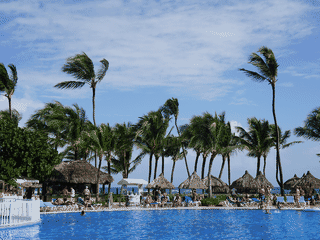
Punta Cana is a resort region on the Dominican Republic's eastern Atlantic coast. White sand and turquoise shallows make beach time the focus of a stay.
Languages: Spanish
Why Go?
Punta Cana is a purpose-built resort region stretching along the Dominican Republic’s easternmost Atlantic coastline, famous for its white-sand beaches and turquoise shallows. Tourism accounts for 100% of the local economy, so the area exists almost entirely to serve visitors—all-inclusive hotels, golf courses, excursion operators, and beachfront shops line every major beach. It is one of the Caribbean’s most accessible resort destinations for US travelers, with direct flights from many American cities and an established spring-break culture. However, budget travelers should note that prices inside resorts and nearby areas run 200-300% higher than the rest of the Dominican Republic.
Adapted from Wikivoyage contributors · CC BY-SA 4.0
Understand
Located in the province of La Altagracia with a population estimated at 100,000, Punta Cana borders the Atlantic Ocean to the east, Bávaro and El Cortecito to the north, and extends west through Cabeza de Toro, Cabo Engaño, and Juanillo. The region covers approximately 420,000 m² and features a tropical climate with average temperatures of 26°C, rising to 32°C during the hot season from April to November. Evening temperatures drop to around 20°C from December to March. The flat landscape means very little rainfall. Local staff at resorts may discourage guests from venturing outside, propagating stories of crime, but locals are generally described as very friendly and helpful.
Adapted from Wikivoyage contributors · CC BY-SA 4.0
Getting In
Punta Cana International Airport (PUJ) is the main gateway, served by several US carriers including JetBlue, American Airlines, Spirit Airlines, Frontier Airlines, United, and Delta. Air Canada and WestJet offer flights from Canadian cities, while charter services include Air Transat and Sunwing. Russian carriers such as Rossiya Airlines, Azur Air, and NordWind operate seasonal service from Moscow. Most visitors arrive via prearranged tour-operator transportation, though taxis are available immediately outside customs.
Adapted from Wikivoyage contributors · CC BY-SA 4.0
Getting Around
Taxis operate with standard rates displayed by drivers; passengers should clarify destination and price before departure and pay upon arrival. Taxis accept US dollars, Dominican pesos, and euros. Motoconchos (motorbike taxis) are the cheapest private option at DOP100 per ride (e.g., Friusa to Bávaro Beach), though helmets are not provided and riding intoxicated is strongly discouraged. Public buses run on most roads at minimal cost but feature irregular schedules, crowded vehicles, and potentially unsafe conditions. Car rental agencies including Europcar, Budget, and Avis operate in the area, with offices at many hotels.
Adapted from Wikivoyage contributors · CC BY-SA 4.0
When to Go
Peak season runs from December through April, when airfare and hotel prices increase dramatically. Summer and early fall months see lower prices but higher humidity and heat. The average temperature stays around 26°C year-round, though April through November can reach 32°C during the day. December through March offer more comfortable evening temperatures around 20°C. Rainfall is minimal due to the flat landscape. Spring break (typically March-April) draws large numbers of college-age visitors.
Adapted from Wikivoyage contributors · CC BY-SA 4.0
Where to Stay
Punta Cana is dominated by all-inclusive resorts along Bávaro Beach and Playa Cabeza de Toro. Budget options are limited; the Punta Cana Guesthouse (USD35 single / USD60 double with balcony) near Plaza Friusa offers the most affordable independent accommodation. Mid-range alternatives include Majestic Colonial (all-inclusive) and Majestic Elegance Hotel (from USD125/night). Luxury properties include Tortuga Bay Hotel (from USD1,000/night) with chauffeur and concierge service, and Hard Rock Hotel and Casino. Most resorts are concentrated in the Bávaro and Cabeza de Toro zones.
Adapted from Wikivoyage contributors · CC BY-SA 4.0
Food and Drink
All-inclusive resorts provide unlimited food and drinks for guests. Outside the resort complexes, dining options include Capitan Cook in Cortecito, renowned for lobster, and Las Leñas II in Plaza Friusa, a Spanish-style coffee shop and bakery offering the best breakfast in the area with Wi-Fi access. Dominican specialties include mamajuana, a local concoction of rum, wine, root or tree bark, and honey, though recipes vary. Tap water is not recommended for drinking; use it only for brushing teeth. Most hotels provide bottled water in rooms, and restaurants use purified water and ice. Dehydration is a constant risk given the tropical sun and alcohol consumption.
Adapted from Wikivoyage contributors · CC BY-SA 4.0
Things to Do
Saona Island offers day trips from the Parque Nacional del Este with white-sand beaches and the chance to see dolphins from a catamaran. The Marinarium provides snorkeling with nurse sharks and stingrays, plus a natural sea pool. Seaquarium allows walking the ocean floor with a diving helmet without certification. Ocean Adventures offers four excursion types including Bavaro Splash (speedboat, snorkeling, SNUBA), Dr. Fish Ocean Spa with Garra rufa fish pedicures, and sailing trips. HorsePlay Punta Cana (USD99, Monday-Saturday) combines horseback riding and zip lining with cigar and cocoa demonstrations, lunch, and transportation. The Corales Golf Course charges USD275 in season and USD195 off-season for resort guests.
Adapted from Wikivoyage contributors · CC BY-SA 4.0
Buy
Beachfront shops within resort complexes are owned by locals and sell postcards, cigars, and souvenirs at inflated prices (up to 300% markup). Shopping plazas outside resorts involve aggressive salespeople; bargaining is expected and prices start ridiculously high. Beach vendors are persistent; the most effective way to decline is to say you have no money. Do not purchase dried animals (turtle shells, sea shells) as it is illegal and encourages harm to endangered species. Visitors should spend remaining Dominican pesos before leaving, as conversion is nearly impossible elsewhere.
Adapted from Wikivoyage contributors · CC BY-SA 4.0
Connectivity
Many hotels offer Wi-Fi in lobby areas. Internet cafés outside resorts charge roughly half the resort rate: USD4 per hour in Punta Cana or Bávaro town versus USD8 per hour within resorts. In other parts of the Dominican Republic, internet cafés charge USD2 per hour or less. Mobile data and SIM card details specific to Punta Cana were not detailed in the article.
Adapted from Wikivoyage contributors · CC BY-SA 4.0
Stay Safe
Avoid using Uber from resort areas; taxi mafias will follow, harass passengers, and call Tourist Police to create trouble for drivers. Do not flash expensive jewelry, gadgets, or large amounts of cash. Resort staff may exaggerate crime risks to keep tourists within the property; treat such stories with skepticism. Flashing wealth makes a traveler a target. Tourists should acknowledge local vendors when passing them, as ignoring them is considered offensive.
Adapted from Wikivoyage contributors · CC BY-SA 4.0
Go Next
The north of the region is difficult to reach except by private car. Santo Domingo is a logical onward destination, being the first European settlement in the Western Hemisphere and a UNESCO World Heritage Site with preserved colonial architecture including the first cathedral of the Americas and the Alcázar de Colón. La Romana and Juan Dolio on the route toward Santo Domingo are also accessible options for travelers continuing west.
Adapted from Wikivoyage contributors · CC BY-SA 4.0
Field guide adapted from Wikivoyage contributors · CC BY-SA 4.0. Text has been adapted and organized for this guide. About our sources.
Places to know
A few starting points from the guide. Check current hours and prices before you go.
- sleep
Catalonia Bávaro
Adapted from Wikivoyage contributors
- sleep
Club Med
Adapted from Wikivoyage contributors
- sleep
Hard Rock Hotel and Casino
All inclusive.
Adapted from Wikivoyage contributors
- sleep
Hotel Best Serenade Resort
Adapted from Wikivoyage contributors
- sleep
Hotel VIK hotel Cayena Beach
Adapted from Wikivoyage contributors
- sleep
Majestic Colonial Hotel
All inclusive.
Adapted from Wikivoyage contributors
- sleep
Majestic Elegance Hotel
Recorded price: USD125
Adapted from Wikivoyage contributors
- sleep
Melia Caribe Tropical
Family-friendly, all-inclusive resort.
Adapted from Wikivoyage contributors
Before you go
Bargaining
Bargaining expected outside resorts. Initial prices are deliberately inflated; insist on discounts.
Connectivity
Wi-Fi available in resort lobbies; internet cafés in town charge USD4/hour versus USD8/hour in resorts.
Culture
Locals are described as friendly; always acknowledge vendors and passersby to avoid giving offense.
Health
Do not drink tap water; use bottled water. Dehydration risk is high due to sun and alcohol consumption. Use loose cotton clothing.
Money
Prices in Punta Cana are 200-300% higher than the rest of the Dominican Republic. US dollars, euros, and Dominican pesos are all accepted. Convert or spend remaining pesos before leaving the country.
Packing
Pack light, loose-fitting cotton clothing for the humid tropical climate.
Safety
Avoid flashing jewelry or cash; do not use Uber from resorts due to taxi mafia interference. Resort warnings about crime are often exaggerated to keep tourists on-property.
Transport
Motoconchos (DOP100) are cheapest; taxis require pre-haggle. Avoid public buses due to safety concerns.
Water
Ocean is mainly shallow with natural marine pools. Tap water not recommended; bottled water provided in hotels.
Weather
Tropical climate, avg 26°C. Peak season Dec-Apr; summer is hot and humid with temperatures reaching 32°C.