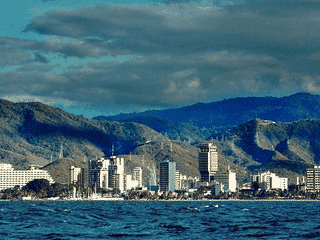

Puerto La Cruz
South America · Venezuela
Did you know?
- Cachapas pair sweet corn pancakes with butter and queso blanco.
- Mirador El Morro looks across offshore islands from a peninsula.
- Paseo Colon turns into a night market selling crafts and imported goods.
See also
Playa El Yaque
Venezuela10.90°N 63.96°W · 0 m
Overview
Puerto La Cruz is a coastal gateway for journeys toward Margarita Island and Mochima National Park. Mainland beaches add a seaside pause to travel through northeastern Venezuela.
Languages: Spanish
Why Go
Puerto La Cruz serves as the main beachside hub for Venezuela's Northeast, functioning as the departure point for ferries to Margarita Island and boats into Mochima National Park. While tainted by the nearby Puerto La Cruz oil refinery, the city retains genuinely appealing beaches with brown sand and clear water along the mainland coast. The real appeal lies in its proximity to 32 pristine islands with white-sand beaches accessible by boat from Paseo Colon, plus it's a practical base for exploring Barcelona and the surrounding Anzoátegui coast.
Adapted from Wikivoyage contributors · CC BY-SA 4.0
Getting In
Puerto La Cruz is reached primarily through Barcelona (BLA) airport, about 30 km away, which receives domestic flights and occasional international connections. Long-distance buses arrive at the main bus terminal, which is not tourist-friendly but has destinations literally painted on counter windows. Ferry services to Margarita Island depart from Puerto La Cruz harbor, making this a key transit point for travelers moving between the mainland and the island.
Adapted from Wikivoyage contributors · CC BY-SA 4.0
Getting Around
The fastest and safest way to get around Puerto La Cruz is by taxi, with legal metered taxis marked by company names costing US$5-10 per ride. Local buses cost roughly one-tenth of taxi fares but are old, uncomfortable, and confusing even for locals regarding routes. To reach island beaches in Mochima National Park, head to Paseo Colon where boat stations operate on both the west and east ends, with departures roughly every 30 minutes when full. Bargaining is expected and culturally appropriate—always ask taxi drivers for a discount.
Adapted from Wikivoyage contributors · CC BY-SA 4.0
When to Go
The best beach season runs from December through April during Venezuela's dry season, when clear skies and minimal rainfall make island-hopping and boat trips most enjoyable. Semana Santa (Easter week) sees significant domestic tourism with increased prices and crowds at beaches. Avoid the rainy season if possible, as heavy rains can affect boat services to the islands and make beach visits less pleasant.
Adapted from Wikivoyage contributors · CC BY-SA 4.0
Where to Stay
Accommodation in Puerto La Cruz skews toward mid-range hotels rather than budget hostels, with Hotel Rasil offering sea-view rooms from US$60 per night as a recommended option. For a resort atmosphere, Punta Palma Hotel & Marina in nearby Lecherías caters to a more upscale crowd with marina facilities. The business and five-star option is Hotel Venetur Maremares, sprawling across verdant grounds with a pool on Avenida R-17. Budget travelers may need to consider Barcelona as a cheaper base and commute to Puerto La Cruz for beach access.
Adapted from Wikivoyage contributors · CC BY-SA 4.0
Food and Drink
Venezuelan cuisine takes center stage with non-spicy, flavorful dishes like empanadas (corn flour dough filled with cheese or ground beef), arepas (grilled cornmeal cakes filled with meats and cheese), and cachapas (sweet corn pancakes served with butter and queso blanco). The national dish pabellon criollo features rice, shredded beef, and stewed black beans—order it 'con barandas' for fried plantain slices or 'a caballo' with a fried egg on top. For fresh tropical fruit juice, seek out street vendors or restaurants; malta, a sweet non-alcoholic malt beverage similar to stout, is a popular local soft drink. High-quality Venezuelan rums include Santa Teresa and Pampero Aniversario.
Adapted from Wikivoyage contributors · CC BY-SA 4.0
Things to Do
The main promenade is Paseo Colon, which transforms into a busy night market where local craftsmen sell hand-made souvenirs alongside imported items. For panoramic views of Mochima National Park islands and the Venezuelan coastline, visit Mirador El Morro on the Isla El Morro peninsula, open daily 04:00-21:00, where you can also walk trails or watch sunrise and sunset. History buffs can explore Fortin Doña Magdalena, a colonial Spanish fortification built around 1799 to defend against pirates and foreign intruders, offering views but avoid lingering after dark. Spanish learners can attend Jakera's recommended language school at Playa Colorada, 30 minutes along the coast, a famous beach appearing in many guidebooks.
Adapted from Wikivoyage contributors · CC BY-SA 4.0
Safety
Use only legal taxis marked with company names—illegal 'Piratas' taxis look like regular cars but have been linked to kidnapping and robbery incidents. Avoid downtown Puerto La Cruz during business hours if you prefer organized shopping over street vendor chaos. Fortin Doña Magdalena's grounds are interesting but consider visiting during daylight hours rather than after dark. The general safety situation in Venezuela requires heightened awareness compared to typical tourist destinations.
Adapted from Wikivoyage contributors · CC BY-SA 4.0
Connectivity
SIM cards and mobile data are available through Venezuelan carriers but international roaming can be unreliable; check with your home provider about coverage and rates before arrival. WiFi is generally limited to hotels and some restaurants rather than widely available in public spaces. Power outlets follow the standard Venezuelan Type A/B configuration with 120V, similar to North American specifications.
Adapted from Wikivoyage contributors · CC BY-SA 4.0
Budget
A backpacker can expect to spend $50-100 USD per day in Puerto La Cruz when using local transportation and eating at street food stalls and local restaurants. Taxis at US$5-10 per ride are the main transport luxury, while local buses cost roughly one-tenth as much but require navigation patience. Beach trips by boat to Mochima National Park islands vary in price year to year and require some bargaining. Street food like empanadas and cachapas offer filling meals for a few dollars, while sit-down restaurant meals cost significantly more.
Adapted from Wikivoyage contributors · CC BY-SA 4.0
Day Trips
Mochima National Park is the premier day trip destination—a mainland and 32-island park with dolphins, monkeys, arid scrub terrain, and secluded white-sand beaches accessible primarily by boat from Puerto La Cruz harbor. Ferry service to Margarita Island provides opportunities for longer excursions to Venezuela's largest Caribbean island. The neighboring cities of Barcelona (the regional capital) and Lecherías (a beach resort area with nightlife) are easily reachable by taxi or bus. Isla El Morro, accessible by land, offers beach access at El Morro beach below the mirador viewpoint.
Adapted from Wikivoyage contributors · CC BY-SA 4.0
Go Next
From Puerto La Cruz, the most significant onward journey is the ferry to Margarita Island, Venezuela's duty-free Caribbean paradise with beaches, shopping, and resort amenities. Barcelona, the state capital of Anzoátegui, is a short taxi or bus ride away and serves as the main transport hub with the regional airport. Lecherías offers beach resorts and nightlife, particularly around the El Morro area where Bambuda bar provides sushi and lounge entertainment. mochima National Park's islands can be explored as multi-day sailing excursions or as a series of day trips from Puerto La Cruz.
Adapted from Wikivoyage contributors · CC BY-SA 4.0
Field guide adapted from Wikivoyage contributors · CC BY-SA 4.0. Text has been adapted and organized for this guide. About our sources.
Places to know
A few starting points from the guide. Check current hours and prices before you go.
- sleep
Hotel Rasil
Sea views. Recommended.
Recorded price: From US$60.
Adapted from Wikivoyage contributors
- sleep
Hotel Venetur Maremares
Sprawling across spacious and verdant grounds, with a lovely pool, this is the business hotel and 5-star hotel of choice in Puerto La Cruz.
Adapted from Wikivoyage contributors
- sleep
Punta Palma Hotel & Marina
This one seems like it could fit in with the Cancun crowd.
Adapted from Wikivoyage contributors
- eat
El Acuario Area Restaurants
Seafood restaurants near Paseo Colon where asking for Mario may secure better deals on fresh catch.
Adapted from Wikivoyage contributors
- eat
Paseo Colon Street Food Stalls
Night market with local craftspeople selling hand-made souvenirs and Venezuelan street food including empanadas and cachapas.
Adapted from Wikivoyage contributors
- see
Andres Eloy Bianco Park
Green space in Puerto La Cruz for relaxation and local ambiance.
Adapted from Wikivoyage contributors
- see
Fortin Doña Magdalena
Fort of colonial Spain's built around 1799 to defend against English, French, Dutch intruders and no-good pirates seeking to pillage the new colony of Barcelona or occupy this prized location next to the Neveri River. The grounds are somewhat interesting, and the views and photo opportunities are also worthwhile. Might be better not to hang out for too long after dark.
Adapted from Wikivoyage contributors
- see
Mirador El Morro
This great vantage point on the arid Isla El Morro peninsula replete with a virgin Mary monument will give you a chance to view the mainland of Venezuela as well as some of the islands of Parque Mochima. You can also walk out to the tip of the peninsula or ride a bike on various trails, visit El Morro beach below the mirador, or take in a sunrise/sunset.
Adapted from Wikivoyage contributors
Before you go
Connectivity
WiFi is generally limited to hotels and restaurants rather than public spaces. Mobile coverage exists but international roaming reliability varies. Power uses Type A/B plugs at 120V.
Culture
Bargaining is expected and appreciated—always ask for discounts on taxis and souvenirs. Craft markets at Paseo Colon offer hand-made items alongside imported goods.
Food
Venezuelan cuisine features empanadas, arepas, cachapas, and pabellon criollo—none spicy. Street fruit juice is safe and recommended. Quality Italian, Mediterranean, and Spanish restaurants available; Mexican food is uncommon.
Money
Prices in Puerto La Cruz are often quoted in US dollars due to Venezuelan economic volatility. Carry cash in local currency (bolivares) for small purchases and street food. Credit card acceptance is limited to larger hotels and malls.
Safety
Use only legal marked taxis. Avoid illegal Piratas. Downtown areas and some attractions merit caution after dark. The general security situation in Venezuela requires heightened awareness.
Transport
Legal taxis marked with company names cost US$5-10; illegal Piratas taxis have been linked to robberies. Local buses are one-tenth the cost but uncomfortable and route information is not tourist-friendly.
Weather
Dry season (December-April) offers the best beach weather with clear skies. Rainy season may disrupt boat services to islands. Semana Santa brings domestic crowds and higher prices.