Overview
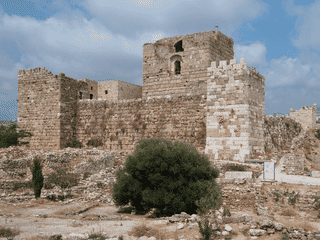
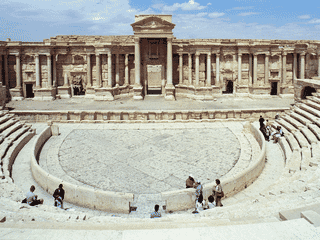
Palmyra was once Syria’s premier oasis destination—a caravan city where Roman colonnades met Mesopotamian temples and Bedouin hospitality. Today it is a UNESCO World Heritage site listed as endangered; much of its irreplaceable heritage was deliberately destroyed by ISIS in 2015, yet surviving walls, the Mamluk castle, and vast archaeological footprints still convey monumental scale.
Architecture · Culture · Desert · History
Where it is
Palmyra is 222 km east of Tripoli.
Before you go
Accommodation
All hotels are ruins as of Dec 2025. Only Palmyra Sunrise Camp operates (US$25 pp with breakfast). Bedouin camps offer basic stays.
Connectivity
Internet cafes charged S£50 per 30 minutes or S£20/hour with irregular hours. Wi-Fi was available at Bel Hotel.
Money
No ATMs accept international cards; bring sufficient Syrian pounds, US dollars, or euros in cash. Hotel Bel offered card advances for 20% commission. Exchange office near museum changed currency but not traveler’s cheques.
Safety
Palmyra is landmine-infested and in a conflict zone. Much heritage was deliberately destroyed by ISIS. Travel insurance covering high-risk areas is essential. Less than 20 tourists visited daily as of December 2025.
Transport
No direct buses from Damascus as of Dec 2025; route via Homs or Deir-az-Zur. Local minibuses from Homs (50,000 SYP, 2h30). Bus station 1 km from main street.
Weather
Extreme desert heat in summer (40°C+); spring (March–May) offers milder temperatures and wildflowers. Dawn and dusk are best for ruins visits.