
Overview
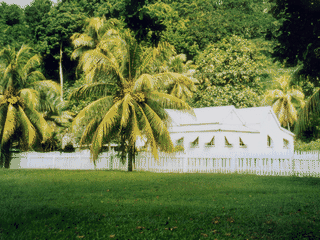
Ovalau is Fiji's principal island of the Lomaiviti archipelago, best known for housing Levuka, the country's former colonial capital. The island features Lovoni, a village nestled inside a volcanic crater, plus remote beaches at Silana and easy access to Leleuvia Island.
Budget Travel · Day Trips · History · Island · Nature
Where it is
Ovalau is 146 km east of Nadi.
Before you go
Accommodation
Budget options include Royal Hotel (oldest in Fiji), Silana Village Backpackers (from $20 with dorms and tent sites), and Levuka Homestay (Australian-run, full breakfast included). Ovalau Holiday Resort offers cottage accommodation from around $90.
Connectivity
Mobile coverage exists but signal may be weak in outer villages. Internet available in Levuka but slower than Suva. Arrange important communications before arrival.
Culture
Fijian village hospitality is genuine—accept food and drink when offered. Arrange village visits through accommodation or tour operators. Lovoni tours include traditional lunch and must be booked in advance.
Food
Restaurants exist only in Levuka and at Ovalau Holiday Resort 4 km north. Villages may offer food as hospitality—accept graciously. Yaqona (kava) is the traditional village drink, served in Levuka bars.
Money
Fiji dollar ($) is the local currency. Credit cards are rarely accepted on Ovalau—bring sufficient cash for all expenses. Levuka has a bank but hours may be limited.
Transport
Patterson Brothers ferry runs daily (sometimes Sunday) between Suva and Levuka, taking 4.5 hours. Book at least four days ahead. Cost is $25 one way. Pacific Sun has three weekly flights from Suva to Bureta airstrip (~12 min).
Weather
Visit May to October for dry season with better ferry reliability. Wet season (November to April) may disrupt crossings and outdoor activities.