
Mutare
Africa · Zimbabwe
See also
Overview
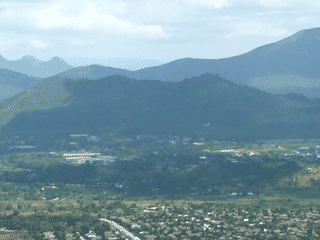
Mutare is Zimbabwe's third-largest city with 225,000 residents (2022) and 500,000 in the metropolitan area. As the trade hub for eastern Zimbabwe, it serves as a practical gateway to the Eastern Highlands region with railway links, pipeline transport, and highways connecting Harare to the coast.
Languages: Chibarwe, English, Kalanga, Khoisan, Ndau, Northern Ndebele, Chewa, Shona, Sotho, Tonga, Tswana, Tsonga, Venda, Xhosa, Zimbabwean Sign Language
Why go?
Mutare is Zimbabwe's third-largest city with 225,000 residents (2022) and 500,000 in the metropolitan area. As the trade hub for eastern Zimbabwe, it serves as a practical gateway to the Eastern Highlands region with railway links, pipeline transport, and highways connecting Harare to the coast. The city, renamed from Umtali in 1982, offers colonial-era memorials, local markets with affordable stone sculptures near the Mozambique border, and access to nearby mountain destinations.
Adapted from Wikivoyage contributors · CC BY-SA 4.0
Getting in
The Sakubva bus terminus, 4 km southwest of the city centre, is the main intercity bus terminal. Buses run from Harare (US$8, 4-5 hr) and Masvingo (US$8, 4-5 hr), with services also from Johannesburg in South Africa. Mutare railway station southwest of the city centre previously hosted National Railways of Zimbabwe overnight trains from Harare three times weekly, but this service was suspended during Covid-19 and remained suspended as of July 2024. A combi from Sakubva terminus to the city centre costs US$0.50.
Adapted from Wikivoyage contributors · CC BY-SA 4.0
Getting around
Mutare is small and walkable. Minibus combis operate for short distances at US$0.50 per ride. A minibus rank is located on 'E' Avenue at the corner with 2nd Street in front of Choppies. Shared taxis to Bvumba Mountains depart from 'E' Avenue on the opposite side of the main A9 road behind Choppies when full (US$5, 45 min) — arrive early morning to maximize a day trip. Shared taxis to Nyanga National Park depart from 2nd Street at the corner with 'B' Avenue in front of CBZ bank (US$5, 2 hr).
Adapted from Wikivoyage contributors · CC BY-SA 4.0
When to go
Mutare and the Eastern Highlands can be visited year-round. The dry season from May to October offers cooler temperatures ideal for hiking. The wet season from November to April brings lush greenery but some trails may be muddy. Early morning departures for day trips to Bvumba Mountains and Nyanga are recommended to make the most of daylight hours.
Adapted from Wikivoyage contributors · CC BY-SA 4.0
Where to stay
Budget accommodation options in central Mutare include Ann Bruce Backpackers at 99 Fourth Street (corner with Sixth Avenue) with dorm beds from US$15 and doubles from US$40, featuring a garden, kitchen, and Wi-Fi for $2. Ubuntu Backpackers at 53 Fourth Street (city centre between First and Second Avenue) offers dorms at US$15, doubles without bathroom at US$35-40, doubles with bathroom at US$48, breakfast for US$10 and dinner for US$12, with free Wi-Fi and hiking tours in the Eastern Highlands. Travellers Lodge at 94 Fourth Street offers rooms from US$20 with free Wi-Fi and TV.
Adapted from Wikivoyage contributors · CC BY-SA 4.0
Food and drink
Mutare's eating options include budget-friendly Karen's Kitchen and Green Coucal for lunch, Chinese restaurants on 1st Street, Hillside Sports Club for curry, Portuguese Club for prawns and chicken, Greek Club for chicken, Wise Owl for steak, and Calvary for the best sadza in town. Mira Sol offers chicken or pasta, while Fasho provides quick bites. For something nicer, White Horse Inn and Tony's Café (known for great cakes) are located in Bvumba and are somewhat expensive. Zimbo's Cafe at 29 First St (corner with 'B' Avenue in the Hellenic Community building) serves coffee, tea, home-style burgers and sandwiches Monday to Saturday 08:00-17:00.
Adapted from Wikivoyage contributors · CC BY-SA 4.0
Things to do
History enthusiasts can visit the Cross Kopje Memorial at Greenside, 2-3 km east of the city centre — a 10-metre granite and reinforced concrete cross built by Colonel Methuen commemorating 269 Africans who died in World War I. The Mutare Museum on Aerodrome Road (daily 09:00-17:00, US$3 for residents and US$10 for non-residents) houses national collections of antiquities, firearms, and transport items plus a walk-in aviary with over 500 birds. The Civic Centre Complex contains the Courtauld Theatre, Queen's Hall, and Turner Memorial Library. Nature lovers can explore Cecil Kop Nature Reserve (accessible by car from Showgrounds car park or Old Christmas Pass Road) for antelope, elephant, rhino, zebra and wildebeest viewing. The Aloe Gardens in Mutare Main Park feature 10,000 aloes and 243 species collected from across Africa and Madagascar. Lake Alexander/Ozdani Dam, 35 km north on Odzani Road through Penhalonga, offers camping, fishing, rowing boats for hire, and yachting with thatched shelters and braai areas.
Adapted from Wikivoyage contributors · CC BY-SA 4.0
Safety
Mutare is generally considered safer than larger Zimbabwean cities, but standard urban precautions apply. Avoid displaying valuable electronics, be cautious after dark in less familiar areas, and use registered taxis or hotel transportation for evening travel. The city centre and main tourist sites are relatively safe during daylight hours.
Adapted from Wikivoyage contributors · CC BY-SA 4.0
Connectivity
Wi-Fi is available at backpacker accommodations including Ann Bruce Backpackers (US$2 per session) and Ubuntu Backpackers (free for guests). Mobile network coverage is available through Zimbabwean carriers. Power outlets follow British-style three-pin plugs.
Adapted from Wikivoyage contributors · CC BY-SA 4.0
Budget
A backpacker can expect to spend approximately US$30-50 per day in Mutare including dorm accommodation (US$15), basic meals (US$10-15), local transport (US$2-5), and attraction entrance fees (US$10 for Mutare Museum non-residents). Shared taxis to day trip destinations cost US$5 each way.
Adapted from Wikivoyage contributors · CC BY-SA 4.0
Day trips
Bvumba Mountains to the south offer scenic views and cooler highland air — shared taxis depart from 'E' Avenue (US$5, 45 min). Nyanga National Park in the northern highlands is accessible by shared taxi from 2nd Street (US$5, 2 hr). Lake Alexander/Ozdani Dam is 35 km north with camping, fishing, and boating facilities. The Marada Hills to the west feature kopje (tor) formations worth visiting.
Adapted from Wikivoyage contributors · CC BY-SA 4.0
Go next
Chimanimani, a small town with excellent hiking trails, is reachable from Mutare. Chimoio across the border in Mozambique is accessible by road. Chipinge and Rusape are other destinations in the Eastern Highlands region. Nyanga National Park offers mountain scenery and outdoor activities in Zimbabwe's highest region.
Adapted from Wikivoyage contributors · CC BY-SA 4.0
Field guide adapted from Wikivoyage contributors · CC BY-SA 4.0. Text has been adapted and organized for this guide. About our sources.
Places to know
A few starting points from the guide. Check current hours and prices before you go.
- sleep
Ann Bruce Backpackers
Great location, very secure and clean. This long established backpackers is Ann's home which has been converted to include dorms and private rooms. Ann is a lovely lady very sociable with guests. There is a nice garden to relax and a kitchen to cook in. Wi-Fi ($2) and laundry services are available. There are two dogs and a cat.
Recorded price: Dorm bed US$15, double from US$40
Adapted from Wikivoyage contributors
- sleep
Travellers Lodge
Single/double rooms with own bathroom. Free Wi-Fi and TV.
Recorded price: From US$20
Adapted from Wikivoyage contributors
- sleep
Ubuntu Backpackers
Owned by a German manager, centrally located, with cosy, sustainably, beautifully decorated bedrooms. Free Wi-Fi. Homemade breakfast and meals must be ordered in advance but the equipped kitchen is available for communal cooking. Hiking and cultural tours in Eastern Highlands can be organized.
Recorded price: Dorm US$15, double w/o bathroom US$35-40, double w/ bathroom US$48, breakfast US$10, dinner US$12
Adapted from Wikivoyage contributors
- eat
Calvary
Known for the best sadza in town.
Adapted from Wikivoyage contributors
- eat
Chinese in 1st Street
Chinese restaurants located on 1st Street in Mutare.
Adapted from Wikivoyage contributors
- eat
Hillside Sports Club
Good curry options.
Adapted from Wikivoyage contributors
- eat
Nando's
Chain restaurant for familiar Portuguese-style chicken.
Adapted from Wikivoyage contributors
- eat
Tony's Café
Great cakes in Bvumba, very good and somewhat expensive.
Adapted from Wikivoyage contributors
Before you go
Accommodation
Budget hostels include Ann Bruce Backpackers (dorms US$15, doubles from US$40) and Ubuntu Backpackers (dorms US$15, doubles US$35-48). Both offer kitchen facilities.
Connectivity
Wi-Fi available at backpacker hostels (fee-based at Ann Bruce Backpackers, free at Ubuntu Backpackers). Mobile network coverage available throughout the city.
Food
Budget meals available at local spots like Calvary (sadza) and Chinese on 1st Street. White Horse Inn and Tony's Café in Bvumba offer higher-end dining. Sadza (maize porridge) is the staple dish.
Money
US dollars are widely accepted in Zimbabwe. ATM access is available at Stanbic, Ecobank, and Nedbank on Herbert Chitepo Street, all offering 24-hour Mastercard and Visa card services.
Safety
Mutare is relatively safe for a Zimbabwean city. Standard precautions apply — avoid displaying valuables, be cautious after dark in unfamiliar areas.
Transport
Mutare is walkable. Minibus combis cost US$0.50. Intercity buses use Sakubva terminus 4 km from centre (combi to centre US$0.50). Shared taxis to Bvumba (US$5, 45 min) and Nyanga (US$5, 2 hr).
Weather
Eastern Highlands location means cooler temperatures than lowland Zimbabwe. Dry season (May-October) is best for hiking. Wet season (Nov-Apr) brings lush scenery but muddy trails.