
Kukës
Eastern Europe and the Balkans · Albania
Did you know?
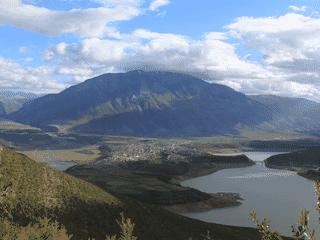
- Gjallica Mountain dominates the skyline at 2,489 meters.
- The Trail of Colors runs from Çaja mountain toward the Korab valley.
- The old town lies beneath the waters of the Fierza reservoir.
See also

Prizren
Kosovo42.22°N 20.71°E · 450 m
Overview
Kukës sits beside a turquoise reservoir crossed by scenic bridges. Water views give the town a distinctive setting for a relaxed stop.
Languages: Albanian
Why go?
Kukës is a mountain town of 36,000 people serving as the last stop before the Kosovo border, offering access to Albania's most dramatic alpine landscapes. The town gained international recognition for receiving hundreds of thousands of Kosovo War refugees, earning a Nobel Peace Prize nomination in 2000—the only town in the world to receive this honor. The surrounding area is dominated by mountainous terrain perfect for fishing, walking, and trekking, with the Dinaric Alps creating stunning backdrops from anywhere in the city. Kukës is increasingly gaining momentum among nature and adventure lovers seeking an alternative to more touristy Albanian destinations.
Adapted from Wikivoyage contributors · CC BY-SA 4.0
Getting in
The main arrival point is the unofficial "bus station" at former Ish Hotel Parku, where buses depart and arrive in the absence of a formal bus station. Furgons (shared minivans) connect Kukës to Kosovo destinations including Gjakova, Pristina, and Prizren. Kukës International Airport lies 3.5 km south of the city but is currently inoperative. The town sits at the confluence of the White Drin and Black Drin rivers, making it a key transit point between Albania, Kosovo, and North Macedonia.
Adapted from Wikivoyage contributors · CC BY-SA 4.0
Getting around
The town is compact enough to explore on foot, with the main boulevard Rruga Dituria serving as a central spine for most commerce and amenities. Local transport options include shared minivans (furgons) for destinations within Kukës County. Taxis are available but not metered, so negotiate prices before departing. The surrounding mountain villages require private transport or organized tours to reach.
Adapted from Wikivoyage contributors · CC BY-SA 4.0
When to go
The best time to visit is during late spring (May-June) or early autumn (September-October) when temperatures are mild and alpine meadows bloom with multicolored flowers. Summer offers excellent hiking conditions but brings more visitors. Winter can be harsh in the surrounding mountains with heavy snowfall. The Trail of Colors is particularly spectacular in summer when wildflowers carpet the alpine meadows near the border triangle of Albania, Kosovo, and North Macedonia.
Adapted from Wikivoyage contributors · CC BY-SA 4.0
Where to stay
Accommodation options are limited but functional. Hotel Gjallica on Rruga Dituria is the most luxurious option with its own restaurant and terrace. Hotel Amerika on Rruga Xhamia offers central budget-friendly rooms. Oda Kuksit Hotel is a family-run option in the city center with restaurant and terrace. Most guesthouses are simple affairs offering basic amenities rather than western-style comfort. Prices for mid-range hotels range around €35-50 per night.
Adapted from Wikivoyage contributors · CC BY-SA 4.0
Food and drink
Local cuisine features traditional Albanian dishes with mountain influences. On Rruga Dituria, various eateries serve local meatballs, roast chicken in buns, and halal pizza. Kulla Lumes and Bar Restorant Natyra on SH23 offer grilled foods and seafood with views of the reservoir lake. Traditional cuisine establishments like Xhamlliku provide regional specialties. Local raki (fruit brandy) including raki kumbull (plum) and raki rrushi (grape) are available at reasonable prices from supermarkets. The town has numerous bars including Grand JNK, Heaven Shisha, and Sky View Bar for evening entertainment.
Adapted from Wikivoyage contributors · CC BY-SA 4.0
Things to do
The main natural attraction is the turquoise reservoir surrounding the town on three sides, with scenic bridges. The canyon known as "The Bad Stairs" (Shkalla e Keqe) near Bicaj village features a 1,000-meter depth and 3-meter width, reachable by 30-minute car drive or 3-hour hike. Gjallica Mountain at 2,489 meters dominates the skyline and is increasingly famous among alpinists. Lake of Fierza (Liqeni Kukësit), created in 1978 by damming the Drin River, hides the submerged old city beneath its waters. The Trail of Colors is a 7-hour hike from Çaja mountain to the Korab valley passing natural monuments like Gryka e Vanave and Kallabak Lake. Kukës Museum in the city center covers history, ethnography, and biodiversity across three pavilions. Peca Castle dates to the 6th-5th centuries BC with surrounding walls spanning 445 meters.
Adapted from Wikivoyage contributors · CC BY-SA 4.0
Outdoor activities
Kukës offers excellent rock climbing opportunities, particularly in the Lumes River gorge between Gjallica and Koritnik mountains with routes graded I to IV. The Bicaj Gorge 8 km south provides steep climbing lines on Gjallica's lower shoulder. Mountain villages like Kolosjan, Bushtrice, and Tejdrine offer additional crags and multi-pitch ascents. The Fshat Wall near Bushtrice features challenging chimney and crack systems in limestone. For hikers, the Brekijë-Tershene-Bicaj trail offers beautiful views through green fields, isolated villages, and the high Gjallica ridge. The Gjallica Summit hike from a campsite at 1,700 meters altitude provides panoramic views of the surrounding region.
Adapted from Wikivoyage contributors · CC BY-SA 4.0
Buy
Local handicrafts are a specialty, with the Luma district known for traditional sheaths and woolen items. Punime Artizanale "Ora" has been crafting traditional Albanian items since 1955. Local raki (plum and grape varieties) makes an excellent souvenir, available at the small supermarket beneath Bar Amerika. Big Market and Market Gërmizi provide general shopping needs. Gift shop Kukës and Kovaçi shoes offer additional retail options.
Adapted from Wikivoyage contributors · CC BY-SA 4.0
Connectivity
Vodafone is the primary mobile provider with a shop located near where the furgons arrive and depart. For full connectivity details, refer to the Albania#Connect section of Wikivoyage. The town has reasonable mobile coverage for most providers with 4G available in the city center. WiFi is commonly available in hotels and some restaurants.
Adapted from Wikivoyage contributors · CC BY-SA 4.0
Day trips
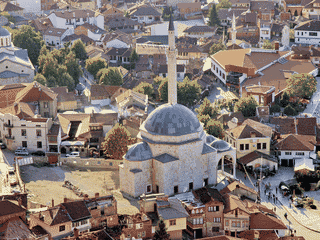
Muholaj village near Bicaj offers beautiful natural scenery and is worth a visit. Shishtavec village in Kukës County represents rich Albanian folklore with unique customs, traditions, and inspiring mountain landscapes. The Albanian Alps region has Thethi, Valbonë, and Kelmend as main tourist destinations with Bajram Curri as the area's main city. Shkodra, the cultural center of northern Albania, makes an excellent overnight trip. In Kosovo, Prizren offers Ottoman-era heritage, while Gjakova features the largest Ottoman bazaar in the Balkans.
Adapted from Wikivoyage contributors · CC BY-SA 4.0
Go next
From Kukës, continue to Shkodra for northern Albania's cultural center, or head to Tirana the capital. The Albanian Alps offer trekking in Thethi and Valbonë. In Kosovo, Prizren provides Ottoman architecture, Gjakova has the largest Balkan bazaar, and Pristina is the capital. The border crossing to Kosovo is easily accessible for continuing your journey.
Adapted from Wikivoyage contributors · CC BY-SA 4.0
Field guide adapted from Wikivoyage contributors · CC BY-SA 4.0. Text has been adapted and organized for this guide. About our sources.
Places to know
A few starting points from the guide. Check current hours and prices before you go.
- eat
Bar - Restorant Kastrati
Adapted from Wikivoyage contributors
- eat
Bar Restorant Natyra
Great restaurant with an amazing view. Quiet location. Meat or fish dish available. Extremely friendly staff and lovely animals around.
Recorded price: splurge
Adapted from Wikivoyage contributors
- eat
Forest Bar & Restaurant- Brrut
Recorded price: splurge
Adapted from Wikivoyage contributors
- eat
Kulla Lumes
Nice selection of seafood, grill foods from Albania and popular European cuisine, selection of wines and an excellent view of the reservoir lake.
Recorded price: splurge
Adapted from Wikivoyage contributors
- eat
Lugina e Drinit
Adapted from Wikivoyage contributors
- eat
Restorant Liman Zeneli
Adapted from Wikivoyage contributors
- eat
Ura Drinit Zi
Enjoy the amazing food and the lake view. Ura Drinit Zit is located on a bridge side before you got to enter Kukës.
Adapted from Wikivoyage contributors
- eat
Xhamlliku
Traditional cuisine.
Adapted from Wikivoyage contributors
Before you go
Language
Albanian is the local language. Kosovo Albanian dialect is widely understood given proximity to the border. English is limited outside tourism establishments.
Money
Albanian lek (ALL) is the local currency. ATMs available in town. Euro sometimes accepted near border areas. Local raki is reasonably priced.
Safety
Kukës is generally safe for travelers. Mountain hiking requires proper preparation and local guidance. Some remote trails require navigation skills.
Transport
Shared minivans (furgons) connect Kukës to Kosovo destinations. Buses depart from former Ish Hotel Parku. The international airport is currently inoperative.
Weather
Mountain climate with cold winters and mild summers. Best visited May-June or September-October for pleasant hiking conditions.