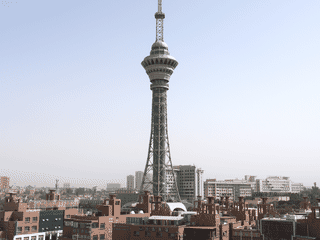

Kashgar
East Asia · China
Did you know?
- The bazaar is claimed as Asia's largest, with traders from several Central Asian communities.
- The city sits where the northern and southern Taklamakan routes converge.
- Evening stalls opposite the mosque and Sunday-market snacks anchor the local food trail.
See also
Overview
This Silk Road crossroads blends Uyghur and Central Asian influences through its bazaar, mosque quarter, and market culture. It also opens onto high mountain lakes and long overland routes toward Central Asia and Pakistan.
Languages: Chinese
Why Go?
Kashgar is where the Silk Road's northern and southern Taklamakan Desert routes converge before continuing west toward Samarkand and the Ferghana Valley. The city claims the largest bazaar in Asia, a colourful mix of Uyghur, Han Chinese, Kyrgyz, Tajik and Uzbek traders, and feels distinctly Central Asian compared to eastern China. It is the main centre of Uyghur culture in China, with an old town, historic mosque, centuries-old tombs, and summer melon markets that cost around ¥1 per kilogram.
Adapted from Wikivoyage contributors · CC BY-SA 4.0
Getting In
Kashgar is served by Kashgar Airport (18km north of town) with flights to/from Urumqi, Beijing, Shanghai, Guangzhou, weekly flights to Khujand in Tajikistan and Islamabad in Pakistan. The Kashgar railway station connects to the rest of China by rail. Trains are the slowest option but also the cheapest, leaving only a few times daily. International bus station is walkable from the city centre.
Adapted from Wikivoyage contributors · CC BY-SA 4.0
Getting Around
Most of Kashgar including the bus station, bazaar, main square and downtown can be reached on foot within 15-20 minutes. The railway station is reachable with public bus 28 which stops at Renmin Square. The old town and narrow alleyways are best explored on foot. Cross streets carefully as there are no pedestrian crossings; silent electric motorbikes run in special lanes between car lanes and pavement. Bicycles can be rented at major hotels like Qinibagh for typically less than ¥30/day. Taxis are available via Didi or by flagging one down.
Adapted from Wikivoyage contributors · CC BY-SA 4.0
When to Go
Kashgar experiences extreme temperatures ranging from -9.9°C in January to 32.1°C in July-August. The best time to visit is during the summer months (May to August) when melons and watermelons flood the markets at around ¥1 per kilogram. The famous Sunday livestock market (Mal Bazaar) operates weekly. Winter months bring harsh cold requiring substantial preparation. The Id Kah Mosque hosts Uyghur dancing on Eid celebrations.
Adapted from Wikivoyage contributors · CC BY-SA 4.0
Where to Stay
Budget accommodation includes Ella's Home (Uyghur ethnic village, 2km from Ancient City) with dorm beds from ¥72 including breakfast, and Kashgar Old City Youth Hostel (bus 28) with beds from ¥45/night. Mid-range options include Qiniwak Hotel (former British Consulate, dorms ¥50, doubles ¥160 with breakfast) and Red Willow Flower Hotel (double ¥230 with breakfast). Upscale choices include the Radisson Blu Hotel Kashgar with pool and the Kashi Tianyuan International Hotel (doubles ¥780-1,880 with breakfast).
Adapted from Wikivoyage contributors · CC BY-SA 4.0
Food and Drink
Kashgar offers excellent local restaurants and street food. Try the food stalls opposite Id Kah Mosque that operate in the evenings, and the Sunday market for snacks. Specialty dishes include pollo or rice pilaf with raisins at Altun Orda Restaurant. Hami melons cost around ¥1/kg in summer. Avoid ice as it may be unclean; melons bought from vendors and cut yourself are the safest fresh fruit option. Alcohol is less available than in other parts of China. Western-style options include Karakoram Cafe on Seman Road and K2 Rooftop Cafe with mosque views.
Adapted from Wikivoyage contributors · CC BY-SA 4.0
Things to Do
Must-see attractions include the Id Kah Mosque (¥20, open 08:50-22:00, modest dress required), the Tomb of Apak Hoja (¥30, Islamic-style pilgrimage site), and the Old Town (partially rebuilt by government in 2017). The Mal Bazaar livestock market operates Sundays, reachable by bus 23 for ¥1 or taxi for ¥15-20. Day trips to Karakul Lake and Baisha Lake along the Karakoram Highway cost around ¥1,000 for a private SUV with driver including entrance tickets. Shipton's Arch Trekking offers a one-day trek through steep canyons to a 500m-high, 100m-wide arch.
Adapted from Wikivoyage contributors · CC BY-SA 4.0
Safety
Cross streets carefully as there are no pedestrian crossings and silent electric motorbikes run in their own lanes. Traffic can be dangerous for cyclists. Bargaining is expected but merchants will overcharge foreigners, sometimes by several hundred yuan. Some areas may require special travel permits; always carry your passport. The region has security presence typical of Xinjiang.
Adapted from Wikivoyage contributors · CC BY-SA 4.0
Connectivity
SIM cards are available from local providers. WiFi is common in hotels and some cafes. Power plugs use Type I (Australia/China style, 220V). Airport, hotels and banks have staff who speak some English. Translation apps on smartphones are helpful for communication. Taxi drivers generally do not understand English, so have your destination written in Mandarin.
Adapted from Wikivoyage contributors · CC BY-SA 4.0
Budget
Daily backpacker budget in Kashgar is relatively low. Dorm beds start at ¥40-72/night, street food meals cost ¥10-20, and local restaurants ¥20-50 per meal. Public transport is ¥1 by bus, taxis ¥15-20. Attractions like Id Kah Mosque cost ¥20, tombs ¥30 each. A day trip to Karakul Lake with private car costs around ¥1,000 total. Bargaining can save several hundred yuan on larger purchases.
Adapted from Wikivoyage contributors · CC BY-SA 4.0
Day Trips
Popular day trips include Baisha Lake and Karakul Lake along the stunning Karakoram Highway, reachable via tour agencies or private car. A private SUV with driver costs ¥1,000 including entrance tickets. The Mor Buddhist Pagoda is 40km northeast (7th century Tang dynasty ruins). Davakul Lake is 130km southeast for camel trekking in the Taklamakan Desert. Tashkurgan is a longer journey with old fort, wetlands, and Tajik family stays.
Adapted from Wikivoyage contributors · CC BY-SA 4.0
Etiquette
When visiting the Id Kah Mosque, dress modestly covering legs and shoulders; women should wear a hijab. Remove shoes before entering the carpeted prayer area. During Eid, local Uyghurs dance on the square in front of the mosque. Bargaining is expected and culturally appropriate in markets. Be polite but firm when negotiating prices.
Adapted from Wikivoyage contributors · CC BY-SA 4.0
Go Next
Tashkurgan is a Silk Road town with an old fort and wetlands, where you can stay with Tajik families; on the road visit Baisha Lake and Karakul Lake, then continue to Khunjerab Pass or return to Kashgar. Kyrgyzstan is accessible via the Irkeshtam and Torugart passes. The Karakoram Highway leads south to Pakistan and India via Khunjerab Pass. Samarkand and the Ferghana Valley in Uzbekistan are logical onward Silk Road destinations.
Adapted from Wikivoyage contributors · CC BY-SA 4.0
Field guide adapted from Wikivoyage contributors · CC BY-SA 4.0. Text has been adapted and organized for this guide. About our sources.
Places to know
A few starting points from the guide. Check current hours and prices before you go.
- sleep
Chini Bagh Hotel
Recorded price: Prices for a double start at ¥60 in the older building
Adapted from Wikivoyage contributors
- sleep
Ella's Home
Nice and friendly place with helpful host and international guests. Around there are many places to eat. WeChat: loveyunpiaotianya.
Recorded price: Single bed in 4-bed dorm room ¥72, breakfast included
Adapted from Wikivoyage contributors
- sleep
Hotel Eden
The hotel is right on the edge of the old town. Double Rooms are ¥238 per night incl. breakfast.Fantastic yogurt on the ground floor restaurant although served at room temperature. The ground floor restaurant of this hotel is one of the "happening" scenes of Kasghar among locals and is usually packed with affluent local Uyghurs.
Adapted from Wikivoyage contributors
- sleep
Kashgar Guest House
Adapted from Wikivoyage contributors
- sleep
Kashgar Old City Youth Hostel
A hostel centrally based with dorm beds and shared bathrooms. Beds were previously very hard, but in spring 2012, the hostel purchased new mattresses that are much more comfortable. Enclosed with a central courtyard with eastern styled areas. Seems to be very popular so a booking is suggested. Community Breakfast (10Y), lunch and dinner (20Y) is offered, as well as a kitchen area. April 2016: There are also doubles for 108Y (non-attached bathroom) or 140Y (own bathroom).
Recorded price: 45Y/Night
Adapted from Wikivoyage contributors
- sleep
Kashi Tianyuan International Hotel
Four star hotel with large rooms with free internet and mini bar. Business center, gift shop, ticket office, karaoke, spa, massage and sauna available. Chinese restaurant coffee shop and room service. The restaurant is not good, but the 24 hour spa, massage and sauna are excellent.
Recorded price: Listed rates for doubles ¥780-1,880 including breakfast
Adapted from Wikivoyage contributors
- sleep
Qiniwak Hotel
Offers dorm style bedrooms in the adjacent building. More expensive doubles have free internet. Business centre, currency exchange, gift shop, ticket office, karaoke, massage and sauna available. Chinese and Western Restaurants as well as coffee shop and bar.
Recorded price: Dorms ¥50 in a three bed room; discounted rates for doubles ¥160 including breakfast
Adapted from Wikivoyage contributors
- sleep
Radisson Blu Hotel Kashgar
Upscale Western hotel with pool, restaurant, and conference/meeting rooms,.
Adapted from Wikivoyage contributors
Before you go
Connectivity
WiFi available in hotels and some cafes. SIM cards from local providers. Translation apps are helpful as English is limited outside tourist areas.
Culture
Kashgar is the main centre of Uyghur culture in China. Modest dress required at mosques. Bargaining is expected and appreciated in markets.
Food
Avoid ice in drinks. Summer melons (¥1/kg) are safe and delicious when you cut them yourself. Street food near Id Kah Mosque operates in evenings.
Money
Local currency is Chinese yuan (CNY). Bank of China ATMs are in the city centre near Mao statue and at the airport. Debit cards generally work. Prices are negotiable in markets.
Safety
Security presence is typical for Xinjiang. Carry your passport at all times. Some areas require special travel permits. Traffic can be hazardous with silent electric motorbikes.
Transport
Most central areas are walkable within 15-20 minutes. Bus 28 connects the railway station to Renmin Square. Taxis available via Didi app or flagging. Cycling is possible but traffic is dangerous.
Visa
Most visitors to China need a visa. Tibet travel requires additional permits. Check current requirements before planning travel to Xinjiang.
Weather
Extreme temperatures: -9.9°C in January to 32.1°C in July-August. Best visited May-August for warmer weather and summer melon markets.