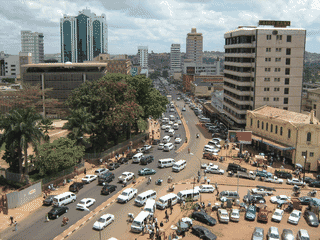

Kampala
Africa · Uganda
See also
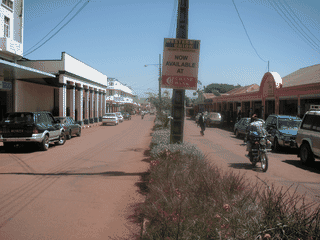

Jinja
Uganda0.42°N 33.20°E · 1,143 m
Entebbe
Uganda0.05°N 32.46°E · 1,180 m
Overview
Kampala is Uganda's economic and cultural heart, home to roughly 1.7 million people (6.7 million in the metro area). The city is notably expat-friendly due to the high concentration of NGOs and international organizations, creating a unique blend of Western conveniences and authentic Ugandan experiences.
Languages: English, Swahili
Why Go
Kampala is Uganda's economic and cultural heart, home to roughly 1.7 million people (6.7 million in the metro area). The city is notably expat-friendly due to the high concentration of NGOs and international organizations, creating a unique blend of Western conveniences and authentic Ugandan experiences. While traffic jams and air pollution rival Nairobi or Lagos, the city rewards visitors with traditional markets, seven distinct hills with viewpoints, and a nightlife scene ranging from local shacks in Kabalagala to expat pubs along Acacia Avenue.
Adapted from Wikivoyage contributors · CC BY-SA 4.0
Getting In
Entebbe International Airport (EBB) sits about 40 km south of Kampala and is Uganda's main international gateway. Most visitors arrive here, then take a taxi or bus to the city (roughly 1-1.5 hours). Post bus terminal on Kampala Road offers government-run buses departing Monday-Saturday 7-8AM, popular among budget travelers for their safety reputation. Bus companies departing from the new taxi park and surrounding terminals serve destinations across Uganda, Kenya (Nairobi 12-14 hours), Rwanda (Kigali), South Sudan (Juba 12+ hours), and Tanzania.
Adapted from Wikivoyage contributors · CC BY-SA 4.0
Getting Around
Three main transport modes serve Kampala: boda-bodas (motorcycle taxis), matatus (shared minibuses), and special hires (pre-arranged taxis). Boda-bodas are the fastest option but notoriously dangerous—consider buying your own helmet since drivers rarely provide them. Drivers without helmets tend to drive slower, which paradoxically may be safer. Matatus run set routes and cost less than boda-bodas. For reliability, use the app-based boda-boda services now available. Driving in Kampala involves heavy traffic and poor road conditions; windows should stay up and doors locked due to theft risks.
Adapted from Wikivoyage contributors · CC BY-SA 4.0
When to Go
Kampala has two wet seasons: February-June (heavier rainfall, peak in April with ~169mm) and August-December (lighter but consistent rain). There is no true dry season, though January-February tend to be driest. Average temperatures range 17-29°C year-round. The Equator passes near Kayabwe, about 1.5 hours from Kampala—mini buses leave from the new taxi park for 7,000 UGX. The equator site charges 10,000 UGX for a water demonstration (which is a debunked hoax).
Adapted from Wikivoyage contributors · CC BY-SA 4.0
Where to Stay
Budget accommodation abounds near the taxi parks, with guesthouses like Already 2 (singles from 25,000 UGX), ABC Plaza (from 30,000 UGX), and Lusam Inn (35,000 UGX) offering basic self-contained rooms. For backpackers, Red Chilli Hideaway ($12 dorm bed, swimming pool), Fat Cat Backpackers ($15 dorm), and Bushpig Backpackers ($15 in 4-bed dorm) provide social atmospheres. Higher-end options include Hotel Ruch (from $50), Golf Course Hotel, and the five-star Kampala Serena Hotel (from $150). Kololo and Nakasero neighborhoods offer midrange choices closer to restaurants and nightlife.
Adapted from Wikivoyage contributors · CC BY-SA 4.0
Food and Drink
Kampala's dining ranges from street food to upscale restaurants. Local favorites include The Roots Restaurant (traditional Ugandan luwombo and fish dishes) and Pizza or BBQ nights at Red Chilli Hideaway backpacker hangout. Chinese restaurants like Great Wall (fried rice with chicken 8,000 UGX) and Fang Fang offer authentic options. For upscale dining, The Lawns Restaurant serves game meat unique in Uganda (starters 14,000-25,000 UGX, mains 18,000-40,000 UGX). Budget eaters can find 2,500 UGX meals at places like Biyani House. Kabalagala hosts everything from waragi shacks to fancy clubs like Club Venom.
Adapted from Wikivoyage contributors · CC BY-SA 4.0
Things to Do
Religious sites dominate sightseeing: the Gaddafi National Mosque (20,000 UGX to climb 272 steps to the minaret) claims to be sub-Saharan Africa's second-largest; Namirembe Cathedral and Rubaga Cathedral sit on separate hills. The Kasubi Tombs (UNESCO site, burial ground of Buganda kings) and Wamala Tombs offer cultural depth. Art lovers should visit Nommo Gallery (Uganda's National Art Gallery) and the Uganda Museum (5,000 UGX Ugandans, 15,000 UGX non-Ugandans). Lake Victoria beaches at Ggaba and KK Beach (5,000 UGX entry) offer sunset views with live music. The Ndere Troupe performs cultural dinners for 50,000 UGX.
Adapted from Wikivoyage contributors · CC BY-SA 4.0
Safety
Kampala is relatively safe compared to other East African capitals, though certain precautions apply. Walking or taking matatus at night is possible in some areas, but avoid walking alone after dark—especially as a foreigner. Don't drive with windows down; phone and laptop theft through windows is common. Air pollution ranks among the world's worst, so keep car ventilation on recirculate mode. Boda-boda accidents are frequent; wearing your own helmet improves safety odds. At bars, watch for drink spiking—never leave beverages unattended. Card acceptance is growing but cash or mobile money remains essential.
Adapted from Wikivoyage contributors · CC BY-SA 4.0
Connectivity
Wi-Fi is widely available in hotels and upscale restaurants; Cafe Javas chain offers working Wi-Fi at multiple locations. For mobile data, MTN Uganda and Airtel are the primary providers with 4G coverage in Kampala. SIM cards are inexpensive and registration is required. Uganda uses Type G electrical plugs (British-style, 240V). Mobile money systems (MTN Mobile Money, Airtel Money) are ubiquitous for transactions and can be used for savings—some travelers report keeping large amounts in mobile money accounts.
Adapted from Wikivoyage contributors · CC BY-SA 4.0
Budget
Backpackers can survive on 400-800 UGX daily in Kampala, though many spend more. Budget accommodation: 25,000-35,000 UGX for basic guesthouses, $10-15 for dorm beds at hostels. Street food and local restaurants: 2,500-10,000 UGX per meal. Matatus cost a few thousand shillings for city travel; boda-bodas are slightly more. Attractions like the Uganda Museum (15,000 UGX non-Ugandans) and Gaddafi Mosque (20,000 UGX) add up if visiting multiple sites. Beer at local bars runs 1,500-3,000 UGX; imported drinks at upscale venues cost significantly more.
Adapted from Wikivoyage contributors · CC BY-SA 4.0
Day Trips
Jinja, the source of the Nile with whitewater rafting, is just one hour from Kampala. The Equator line at Kayabwe takes 1.5 hours via mini bus from the new taxi park (7,000 UGX). For nature, Speke Resort Munyonyo (11 km southeast) offers gardens, marina, beach, and horse riding just 30 minutes from downtown. Lake Victoria beaches at Ggaba and KK Beach provide sunset views and live music within an hour's travel. Fort Portal and mountain gorilla destinations in Bwindi are 5-6 hours away—better as overnight trips.
Adapted from Wikivoyage contributors · CC BY-SA 4.0
Etiquette
Ugandans are generally friendly and approachable; don't be surprised by direct questions about your origins or plans. Dress modestly when visiting religious sites—shoulders and knees covered for mosques and churches. Remove shoes when entering temples and some homes. Photography of people, especially in markets, should be done respectfully or with permission. Tipping is not expected but appreciated at upscale restaurants. Bargaining is normal at markets like Owino—start low and negotiate. Handshakes are standard greetings; same-sex hand-holding between friends of the same gender is common and not romantic.
Adapted from Wikivoyage contributors · CC BY-SA 4.0
Go Next
Kampala serves as Uganda's transport hub with connections to everywhere in the country. Jinja and the Nile source are one hour east. Fort Portal (4 hours) accesses Queen Elizabeth, Kibale Forest, and Rwenzori National Parks. Kabale (5-6 hours) leads to Lake Bunyonyi and Bwindi Impenetrable National Park for gorilla trekking. Tororo and Mbale (2-4 hours) offer Mount Elgon hiking. Buses to Nairobi leave from De Winton Road; Easy Coach departs twice daily (7AM, 6PM). Rwanda's Kigali is reachable by bus. The Ssese Islands ferry from Entebbe (MV Kalangala) offers island escape.
Adapted from Wikivoyage contributors · CC BY-SA 4.0
Field guide adapted from Wikivoyage contributors · CC BY-SA 4.0. Text has been adapted and organized for this guide. About our sources.
Places to know
A few starting points from the guide. Check current hours and prices before you go.
- eat
Biyani House Uganda
Offers a happy hour.
Recorded price: 2500 UGX onwards
Adapted from Wikivoyage contributors
- eat
Fang Fang
Large, plush, well furnished place with many private side and meeting rooms. Well stocked bar. Authentic menu and cuisine.
Recorded price: 6 piece per plate starter, vegetable USh 16,800, meat USh 19,800, prawns USh 29,800; crab in ginger & garlic sauce USh 65,800
Adapted from Wikivoyage contributors
- eat
Great Wall
Owned by Chinese from Beijing, this clean and comfortable restaurant serves big portions of tasty, classic dishes. Menu is in English and simplified Chinese (with strange character mistakes - I suppose 15 years away is a long time). There is a ceiling fan and service is attentive, polite and extremely rapid by Ugandan standards. If you've got a bony bum, bring a cushion.
Recorded price: Fried rice with chicken USh 8000, sweet & sour pork USh 13,000
Adapted from Wikivoyage contributors
- eat
Pizza or BBQ night at the Red Chilli Hideaway
Even if you're not staying there it might be interesting to spend an evening at this backpacker hangout and get some good travel tips from fellow travellers or listen to stories of some avid backpackers and cross-Africa (motor)bike/car drivers.
Adapted from Wikivoyage contributors
- eat
The Bistro
Adapted from Wikivoyage contributors
- eat
The Lawns Restaurant & Lounge Bar
Plot 34, Impala Avenue, Upper Kololo Terrace, Kololo, Kampala. Features a wide variety of fusion delights from all across continent. Only restaurant in Uganda offering full range of game meat. Starters range from USh 14,000 to 25,000. Main course range from USh 18,000 to 40,000. The wines includes South African and a number of European selections, ranging from USh 30,000 to 150,000. This has a fantastic ambiance, and the food is amazing.
Adapted from Wikivoyage contributors
- eat
The Roots Restaurant
A fancy downtown villa serving traditional Ugandan cuisine. Best known for their luwombo and fish dishes. Try snagging a table in their garden when there is good weather.
Adapted from Wikivoyage contributors
- see
Bahai Temple
Beautiful and incredibly peaceful place. Nice view too.
Adapted from Wikivoyage contributors
Before you go
Connectivity
MTN and Airtel provide 4G coverage in the city. SIM cards require registration. Wi-Fi available at hotels and cafes like Cafe Javas. Type G electrical plugs (British-style, 240V) are standard.
Culture
Ugandans are friendly and welcoming. Remove shoes when entering homes and some religious sites. Dress modestly at mosques and churches. Photography of people should be done respectfully.
Health
Air pollution in Kampala ranks among the world's worst—keep windows up in vehicles and use air recirculation mode. Drink only bottled water from trusted brands like Rwenzori, Jubi, or Aquafina. Malaria prophylaxis recommended.
Language
English is official and widely spoken. Luganda is the most common local language. Swahili is useful in border areas. Learning basic Luganda phrases appreciated.
Money
Ugandan Shilling (UGX) is the local currency. Mobile money (MTN, Airtel) is widely used—some travelers keep large amounts stored there. Cash preferred at markets and smaller establishments. Credit cards accepted at larger hotels and some restaurants. ATM withdrawal limits vary; look for Stanbic or dfc.
Safety
Avoid walking alone at night, especially in less-traveled areas. Keep car windows up and doors locked. Don't leave drinks unattended in bars—drink spiking has been reported. Boda-bodas are dangerous; consider wearing your own helmet.
Transport
Boda-bodas (motorcycle taxis) are fastest but hazardous. Matatus are shared minibuses on fixed routes. Special hires are pre-arranged taxis. App-based boda-boda services offer more accountability. Traffic congestion is severe—plan accordingly.
Visa
Most nationalities receive visa on arrival at Entebbe Airport (approximately $50 USD). Check current requirements before travel as policies change.
Weather
No true dry season. Two wet periods: Feb-June (heavier, peak April at ~169mm) and Aug-Dec. Jan-Feb are driest. Temperatures 17-29°C year-round. Pack rain gear regardless of season.