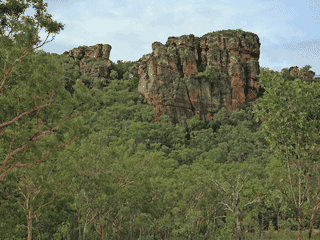

Kakadu National Park
Oceania · Australia
See also
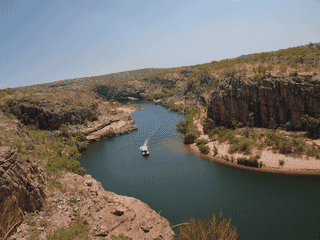

Katherine
Australia14.47°S 132.27°E · 108 m
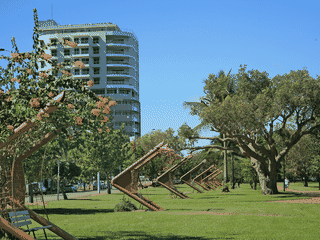

Darwin
Australia12.45°S 130.83°E · 0 m
Overview
Kakadu is one of only 39 World Heritage sites worldwide recognized for both natural and cultural significance—it's one of just four in Australia. The park spans over 20,000 square kilometres, dwarfing Yellowstone, and contains one of the highest concentrations of Aboriginal rock art anywhere on Earth.
Languages: English
Why Go?
Kakadu is one of only 39 World Heritage sites worldwide recognized for both natural and cultural significance—it's one of just four in Australia. The park spans over 20,000 square kilometres, dwarfing Yellowstone, and contains one of the highest concentrations of Aboriginal rock art anywhere on Earth. During the dry season (May–October), access is straightforward and the famous waterfalls at Jim Jim Falls and Twin Falls are spectacular; during the wet season, the park transforms into a flooded wilderness best seen by light aircraft. This is outback adventure at its most primal.
Adapted from Wikivoyage contributors · CC BY-SA 4.0
Getting In
The main gateway is Darwin, 171 km west via Arnhem Highway—a good road usually open year-round with a 130 km/h speed limit. From the south, the Kakadu Highway connects via Jabiru. Driving from Darwin takes roughly 3-4 hours. You can rent 2WD and 4WD vehicles in Darwin; campervan rentals often have no daily distance limits. Coach and small-group tours depart daily from Darwin. During the wet season, many roads require 4WD or become impassable—always check conditions before departing.
Adapted from Wikivoyage contributors · CC BY-SA 4.0
Fees and Permits
Unlike most national parks, Kakadu charges per person rather than per vehicle. Dry season (May 15–October 31) adult passes cost $40 for 7 days; wet season (November 1–May 14) passes are $25. Children pay $20 dry/$12.50 wet; families with 2 adults and 2+ children pay $100 dry season. Concession passes are $30 dry/$19 wet. All fees are valid for seven days. Some areas like Koolpin Gorge require additional special permits through licensed tour operators.
Adapted from Wikivoyage contributors · CC BY-SA 4.0
Getting Around
Kakadu is roughly the size of Wales—more than double the size of Yellowstone and larger than all US national parks combined. Many popular sites are accessible via good sealed roads, but some areas strictly require 4WD. The Bowali Visitor Centre near Jabiru is the main hub for information. Fuel and supplies are available at Jabiru, Cooinda Lodge, and a few remote outposts. During wet season, many roads close; always check with visitor centres before heading to remote areas.
Adapted from Wikivoyage contributors · CC BY-SA 4.0
When to Go
The dry season (May–October) is peak visiting time: roads are accessible, waterfalls flow strongly, and rock art sites are fully open. This is when most tours operate and wildlife viewing is optimal—millions of migratory birds arrive at Yellow Water Billabong. The wet season (November–April) sees reduced access, closed roads, and flooding, but the landscape transforms with raging waterfalls and lush greenery. July and August are busiest; May and October offer fewer crowds with good conditions.
Adapted from Wikivoyage contributors · CC BY-SA 4.0
Where to Stay
Accommodation is limited to a handful of options. Aurora Kakadu Resort in Jabiru offers motel rooms, powered/unpowered sites, and tent camping with a pool and restaurant. The iconic Gagudju Crocodile Hotel—shaped like a crocodile—provides air-conditioned rooms and a restaurant in the heart of Jabiru. Anbinik Kakadu Resort offers bush bungalows and cabins outside town. Cooinda Lodge serves food until 9PM and has the best access to Yellow Water cruises; camping is also available. Wild camping requires a permit and serious preparation—do not attempt overnight bushwalks without navigation skills, topographic maps, and compass.
Adapted from Wikivoyage contributors · CC BY-SA 4.0
Food and Drink
Jabiru has a supermarket for basic supplies, plus a few restaurants and cafes. The Gagudju Crocodile Hotel restaurant serves Australian cuisine. At Cooinda Lodge, the lodge restaurant offers quality dishes like wild goose and kangaroo pie—expect to pay premium prices. Kakadu Bakery (near Lakeview and Kakadu Lodge) serves pastries, sandwiches, and pizza at reasonable rates. Carry all water you need; while some upper rock pools are safe, lower-level rivers and billabongs are not. The nearest bottle shops are in Jabiru.
Adapted from Wikivoyage contributors · CC BY-SA 4.0
Things to Do
Rock art galleries at Ubirr and Nourlangie Rock are world-famous—follow the easy 1 km circular track at Ubirr and catch free ranger talks in dry season, then climb to the sunset viewpoint over the floodplains. Yellow Water Billabong near Cooinda offers dawn boat cruises for birdwatching: jabiru, sea eagles, magpie geese, and jacana are common, along with crocodiles. The challenging 12-km Barrk Sandstone Walk branches from Nourlangie; shorter options include the 3.6-km Mirrai Lookout Walk with sweeping escarpment views. Yurmikmik Walks lead to waterfalls and swimming holes in the southern park, including Motor Car Falls. Swimming is safest at the Jabiru pool; selected plunge pools like Gunlom, Maguk, and Gubara are surveyed for crocodiles during dry season but carry residual risk.
Adapted from Wikivoyage contributors · CC BY-SA 4.0
Safety
Estuarine (saltwater) crocodiles are aggressive and have killed people in Kakadu—obey all crocodile warning signs, stay well back from water edges, and never enter the water. Freshwater crocodiles are usually shy but can become aggressive if disturbed. Only the Jabiru swimming pool is designated safe for swimming; other natural sites are surveyed each dry season but risk remains. Kakadu hosts some of the world's most venomous snakes (taipan, death adder, king brown), though they are elusive and rarely confrontational—stay on trails during daylight. Rock surfaces are slippery when wet; keep clear of all cliff edges. Mosquitoes can carry Ross River virus—use repellent when biting. Carry more water than you think you need; dehydration is a serious risk.
Adapted from Wikivoyage contributors · CC BY-SA 4.0
Go Next
Return to Darwin (3-4 hours west) for tropical city life and the Mindil Beach Sunset Market. Arnhem Land, immediately east and Aboriginal-owned, offers wild coastline, deserted islands, and pristine rivers—accessible via permit. Katherine (4 hours south via Stuart Highway) is the gateway to Katherine Gorge and Nitmiluk National Park. Litchfield National Park, 2 hours south of Darwin, has stunning waterfalls on a fully sealed road. The Savannah Way stretches from Cairns to Broome through outback NT; Nature's Way is a sealed triangular route through wetlands to Kakadu and Litchfield returning to Darwin.
Adapted from Wikivoyage contributors · CC BY-SA 4.0
Field guide adapted from Wikivoyage contributors · CC BY-SA 4.0. Text has been adapted and organized for this guide. About our sources.
Places to know
A few starting points from the guide. Check current hours and prices before you go.
- sleep
Anbinik Kakadu Resort
Bush bungalows, cabins and air-conditioned rooms. On the outskirts of Jabiru, this resort is never short on what a tropical resort needs to have.
Adapted from Wikivoyage contributors
- sleep
Aurora Kakadu Resort
Motel rooms, tent sites, powered and unpowered van sites, restaurant, café, store and guest pool. Reservations recommended.
Adapted from Wikivoyage contributors
- sleep
Cooinda Lodge
Adapted from Wikivoyage contributors
- sleep
Gagudju Crocodile Hotel
A hotel with novelty architecture in the shape of a crocodile. (Sorry, no crocs in the pool.). The hotel includes a restaurant with the main type of cuisine served being "Australian cuisine
Adapted from Wikivoyage contributors
- sleep
Hawk Dreaming Wilderness Lodge
Adapted from Wikivoyage contributors
- eat
Cooinda Lodge Restaurant
Quality outback dining featuring dishes like wild goose and kangaroo pie. Expect premium prices but excellent food. Serves until 9PM.
Recorded price: Mains from $28
Adapted from Wikivoyage contributors
- eat
Gagudju Crocodile Hotel Restaurant
Jabiru's main restaurant serving Australian cuisine in the iconic crocodile-shaped hotel. Breakfast, lunch, and dinner service.
Recorded price: Mains from $25
Adapted from Wikivoyage contributors
- eat
Kakadu Bakery
The best budget option for quick bites—pastries, sandwiches, pizza at reasonable prices. Locations near Lakeview and Kakadu Lodge.
Recorded price: Items from $4
Adapted from Wikivoyage contributors
Before you go
Connectivity
Mobile coverage is extremely limited outside Jabiru and major resort areas. The Bowali Visitor Centre and Gagudju Lodge have limited WiFi. Do not rely on connectivity for navigation or safety—download offline maps before arrival.
Culture
Kakadu is owned by Bininj/Mungguy people. Show respect by not entering restricted areas, asking permission before photographing people, and using 'Boh Boh' (goodbye). Some areas may close at short notice for cultural business. Listen carefully and consider responses before speaking—this is part of Bininj protocol.
Money
Park entry is per person (not per vehicle): $40 adults dry season, $25 wet season. Credit cards accepted at resorts and visitor centres, but cash is essential for remote fuel stops and small shops. No ATMs inside the park—stock up in Darwin or Jabiru.
Packing
Essentials: water (minimum 3L per person per day), sunscreen, wide-brimmed hat, insect repellent, sturdy shoes, first aid kit. During dry season, layers for cool mornings; during wet season, quick-dry clothing and rain gear. Camera and binoculars are must-haves.
Safety
Saltwater crocodiles are the primary danger—never swim outside marked safe zones. Carry water, use sunscreen, wear a wide brimmed hat, and apply mosquito repellent. Snakes are venomous but elusive; stay on marked trails.
Transport
No public transport operates in Kakadu—rent a car in Darwin (2WD sufficient for main sites, 4WD required for remote areas). Tours from Darwin are plentiful for those without a vehicle. Fuel is available at Jabiru, Cooinda, and a few outposts.
Weather
Dry season (May–October) is warm and dry with temperatures 20-35°C. Wet season (November–April) brings humidity, monsoonal rain, flooding, and road closures—some areas only accessible by plane. Always carry water regardless of season.