Overview
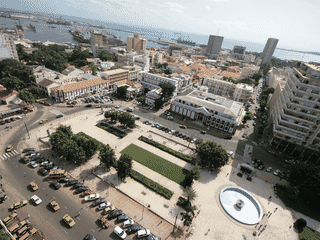
Dakar is Senegal's capital and a major cultural and commercial center in French-speaking West Africa. Teranga, the local tradition of hospitality, gives the city an especially welcoming social character.
Culture · Food · Beach · Day Trips · Festivals
Did you know?
- Lake Retba is a day trip for pink water and salt harvesters.
- A ferry ticket to Gorée is listed at CFA5,000.
- Street peanuts are a local must-try, often paired with beer.
Where it is
Why go?
Dakar is the capital and largest city of Senegal, often regarded as the cultural and commercial center of French-speaking West Africa. Tourism, especially business tourism, is growing, stimulated by events like the Dakar Rally and Contemporary Art Biennale. The Senegalese are very proud of their reputation for 'teranga' (hospitality), and locals are extremely friendly and helpful.
When to go?
Dakar is warm and humid year-round with a rainy season from July to October. The warmest months are Jul-Oct with highs of 30-31°C, while Jan-Mar are the coolest with highs around 25°C. The rainy season brings heavy downpours that can turn roads into rivers. Average yearly rainfall is 495 mm, with most falling during the rainy season.
Where to stay?
There is a wide selection of hotels, from basic to 4-star chains. Budget options include Oceanium (CFA15,000 double room) and Hotel Oceanic (around €30). For a bit more comfort, Onomo hotel near the airport is convenient for early flights.
Food and drink
Street peanuts are a must-try, often served with beer. Local favourite beer is Gazelle, with Flag being stronger and more expensive. For a cheap meal, Ali Baba offers falafel sandwiches and shawarma. Chez Elias serves popular fast food, and Le N'Gor offers sea-view dining with full meals around CFA10,000.
Things to do
Key attractions include the African Renaissance Monument (CFA6,500 entry, tallest statue in Africa), the IFAN Museum of African Arts, and the UNESCO-listed Ile de Gorée (ferry CFA5,000). Other highlights: Les Almadies (westernmost point), Dakar Grand Mosque, Hann Park and Zoo, and the Phare des Mamelles lighthouse offering superb views. For nature, visit Lake Retba (Lac Rose) or the Madeline Islands National Park.
Safety
Petty crime is relatively high; crime against tourists is common, even around Place de l'Indépendance. Women should not walk alone after dark. Watch pockets in crowded areas like Sandaga. Avoid beaches at night. Crime around the airport is extremely high; do not change money there. Avoid walking along the Corniche between the International School and Club Olympique in the evenings.
Etiquette
Beggars are common; a polite 'ba BEN-een yohn' (next time in Wolof) can handle the situation. Alternatively, give food instead of money. Keep in mind the Islamic tradition of giving daily; after giving once, say 'sah-RAHK-sah AH-gah-nah' (charity has already been done).
Go next
Popular destinations from Dakar include Saint-Louis (colonial architecture and nightlife), the Sine Saloum Delta (mangrove forests by pirogue), Casamance (beaches, culture), Touba (religious centre, day trip), and Banjul, The Gambia (daily bus at 07:00 from Parcelles Dem Dikk terminus, CFA10,000).
Day trips
Lake Retba (Lac Rose) is a popular day trip to see the pink lake and salt harvesters. The Madeline Islands National Park is accessible by boat (~CFA5,000) for birdwatching. Ile de Ngor is a short boat ride away (CFA500) for beach and bars. Touba, Senegal's religious centre, makes a great day trip, though non-Muslims are no longer allowed inside the mosque.
Guide text adapted from Wikivoyage contributors under CC BY-SA 4.0.
Where to start
Eat
Ali Baba
Greasy Spoon where you can get cheap Lebanese food. Good falafel sandwiches with French fries and lots of tahina sauce, shwarma, kebab and all sorts of other delicious (also western) snacks. Find it halfway up Ave. Pompidou.
Eat
Artisan Boulanger Eric Kayser
It's along the street of Cafe du Rome towards La Corniche (the sea) and away from the centre two blocks up on your right hand side. Serves fresh, warm croissants, pain au chocolate and pain ain au raisins. The coffee is good and the fruit juices freshly squeezed. You will be surrounded by locals in beautiful Islamic outfits, reading the paper and discussing the latest news.
Eat
Bidew
Eat
Café de Rome
Authentic French food (you feel like you're in France), from oysters to steak tartar, and the famous Sole Meuniere. It is pricey by Dakar standards, but the food is great
Eat
Chez Elias
Fast food very popular with menu at the top. Simple welcoming place. Quality food and fast service. Best Shawarma.
Eat
Chez Loutcha
Chez Lutcha is a Cape Verdian restaurant that serves huge portions of excellent food. Cape Verdian (Portuguese inspired) dishes, Senegalese food and international cuisine. Cosy courtyard or air-con dining room. Excellent service.
Eat
Hotel Restaurant Farid
Drink a gigantic Arrak (made from anis) as an aperitif and then order the 20 Mezze.
Eat
Hotel de l'Indépendance
Eat here for the magnificent views from the restaurant on 16th floor.
Before you go
Culture
Senegalese are known for 'teranga' (hospitality). Islam is dominant; dress modestly when visiting religious sites.
Money
Local currency is CFA franc. Bargaining is common in markets. Budget accommodation from CFA15,000 double room.
Safety
Petty crime is high; be vigilant in crowded areas and avoid walking alone at night. Airport crime is extreme; do not change money there.
Transport
Blaise-Diagne airport is 50 km from Dakar. TER trains serve the city and suburbs. Ferries to Goree Island cost CFA5,000 and take 10-20 minutes.