Chavín de Huántar
South America · Peru
Did you know?
- The ceremonial center stands where the Huachecsa and Mosna rivers meet.
- The Lanzón deity pillar remains in its original position.
- Papakashki is a local potato soup served alongside other Andean dishes.
See also
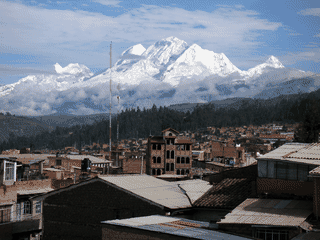

Huaraz
Peru9.53°S 77.53°W · 3,052 m
Barranca
Peru10.75°S 77.76°W · 49 m
Overview
Chavín de Huántar is an ancient ceremonial center where the Huachecsa and Mosna rivers meet. Underground galleries and the Lanzón deity pillar are central to its appeal.
Languages: Aymara, Quechua, Spanish
Why Go?
Chavín de Huántar is one of Peru's most significant pre-Incan archaeological sites, a UNESCO World Heritage Site since 1985 that predates even the Inca Empire. The ancient ceremonial center sits at the confluence of the Huachecsa and Mosna rivers, featuring two kilometers of underground tunnels, the iconic Lanzón Monolítico (a carved deity pillar still in its original position), and temple complexes that once influenced cultures from coast to highlands. Today the site attracts visitors seeking both historical understanding and the area's mystical, spiritual atmosphere, complemented by beautiful mountain scenery in the surrounding Andes.
Adapted from Wikivoyage contributors · CC BY-SA 4.0
Understand
Chavín de Huántar is a town of around 9,000 inhabitants, most bilingual in Spanish and Quechua, perched at 3,137m above sea level in Peru's Central Andes. From the 15th to 3rd century BCE, this was an important ceremonial center and pilgrimage destination whose cultural influence spread across much of Peru. The area also includes parts of Huascarán National Park, with treks to snow-capped mountains, waterfalls, and streams available for visitors wanting to explore the natural surroundings.
Adapted from Wikivoyage contributors · CC BY-SA 4.0
When to Go
The dry season (April to November, called 'Andean summer') offers the best conditions for visiting, with minimal rainfall and clear skies for trekking. Daytime temperatures typically stay below 20°C, while nights drop to just under 10°C year-round due to the high altitude. The rainy season (December to March) can bring up to 1,000mm of rain, making trails slippery and visibility poor for the surrounding mountain views. Even transitional months just before and after the rainy season aren't entirely dry.
Adapted from Wikivoyage contributors · CC BY-SA 4.0
Getting In
Chavín de Huántar is accessible by road from Huaraz (104 km away) and Huari (38 km away). The town sits at the intersection of routes connecting these highland towns. Visitors typically arrive by bus or collectivo (shared taxi) from Huaraz, the main regional hub with bus connections to Lima. No direct airport serves the town; the nearest significant airport is in Lima.
Adapted from Wikivoyage contributors · CC BY-SA 4.0
Get Around
All attractions within the town center are within walking distance, including the main archaeological site, Plaza de Armas, and most restaurants and hotels. Many surrounding attractions—the Mirador de Shallapa viewpoint, thermal baths at Quercos, and the Pójoc archaeological site—are also reachable on foot via clearly marked trails. For more remote sites like Cueva de Yurac Machay, a taxi to the trailhead in San Pedro de Pichiu is recommended.
Adapted from Wikivoyage contributors · CC BY-SA 4.0
Where to Stay
Accommodation in Chavín de Huántar is concentrated downtown near the Plaza de Armas, ranging from budget hostels to modest hotels. Dorm rooms with private bathroom and hot water start at 35 soles per person, while double rooms at mid-range hotels like Hotel Inca (123 soles) and Hostal Chavín Turístico (133 soles) include breakfast and free Wi-Fi. Most places are in traditional older buildings with colonial-style indoor patios.
Adapted from Wikivoyage contributors · CC BY-SA 4.0
Food and Drink
Local restaurants near the archaeological site serve traditional Andean dishes including cuy (guinea pig), trout ceviche, papakashki (potato soup), and choclo con queso (corn with cheese). Budget breakfast and lunch options start from 7 soles at Restaurant turístico Las Delicias. Several eateries like Restaurant Buongiorno and Cafe-Galería Cálido Nevado offer views of the archaeological site. Cafés around Plaza de Armas, such as Cafetería Renato and Mama Raywana Cafe Bar, serve sandwiches, hot drinks, and desserts.
Adapted from Wikivoyage contributors · CC BY-SA 4.0
Things to Do
The main attraction is the Centro ceremonial Chavín de Huántar archaeological site (10 soles, students 5 soles; open Tue-Sun 09:00-16:00), featuring the ancient temple with the Lanzón Monolítico, three plazas (large, rectangular, and circular), and two kilometers of underground tunnels. Other sites include the Museo nacional de Chavín (opened 2008, displaying the Tello obelisk and carved trumpets), the free Muro megalítico with carvings from 800 BCE, and the Mirador de Shallapa (free, 30-60 minute hike with views of the town and site). The Baños termales de Quercos thermal baths (08:00-17:00) feature sulfurous waters 2 km south of the main site.
Adapted from Wikivoyage contributors · CC BY-SA 4.0
Safety
Standard precautions for any Peruvian town apply: guard valuables in crowded areas and avoid walking alone late at night. Trail hiking carries standard risks of slips and falls, particularly during the rainy season (December-March). The high altitude of 3,137m requires proper acclimatization and sun protection, especially for trekking activities. No areas are specifically flagged as dangerous, but always inform someone of your trekking plans for longer hikes.
Adapted from Wikivoyage contributors · CC BY-SA 4.0
Connectivity
Some hotels offer free Wi-Fi for guests. Mobile coverage is available from operators Claro and Movistar, both providing 3G service within town and a bit outside it. Movistar additionally offers 2G coverage in more remote areas. There is no mention of public Wi-Fi hotspots or internet cafés in the town center.
Adapted from Wikivoyage contributors · CC BY-SA 4.0
Go Next
Huaraz (104 km away) is the main regional hub, offering bus connections to Lima, more extensive services, and access to further highland attractions. Huascarán National Park, a UNESCO Biosphere Reserve and World Heritage Site, surrounds the area with opportunities for mountaineering, trekking, and viewing snow-capped peaks including Mount Huantsán. The Pójoc archaeological site (about one hour beyond Mirador de Shallapa) offers additional Chavín-era stone sculptures and views of Mount Huantsán.
Adapted from Wikivoyage contributors · CC BY-SA 4.0
Field guide adapted from Wikivoyage contributors · CC BY-SA 4.0. Text has been adapted and organized for this guide. About our sources.
Places to know
A few starting points from the guide. Check current hours and prices before you go.
- sleep
Chavín Arqueológico I
Traditional rooms in an older building, and the hotel has a friendly ambience. The patio has a colonial style with plants.
Recorded price: individual dorms with bathroom and hot water from 35 soles
Adapted from Wikivoyage contributors
- sleep
Hostal Chavín Turístico
8 double rooms, and as such capacity for 16 persons. Free Wi-Fi.
Recorded price: dbl 133 soles
Adapted from Wikivoyage contributors
- sleep
Hostal Gantu
Friendly small hostel in an old building with an indoor patio, around which the rooms are situated on two floors. The place has a restaurant also.
Recorded price: individual dorms with bathroom and hot water from 35 soles
Adapted from Wikivoyage contributors
- sleep
Hotel Inca
Also this hotel, with 18 rooms, is in an old building and has an indoor garden. Offers breakfast in the morning and free Wi-Fi and has indoor parking.
Recorded price: dbl 123 soles
Adapted from Wikivoyage contributors
- eat
Cafe-Galería Cálido Nevado
Great for breakfast, or a light lunch or dinner. They have sandwiches and various hot drinks including coffees, herbal teas, shakes and punches.
Adapted from Wikivoyage contributors
- eat
Cafetería Renato
A pretty café in an old building, great for breakfast before visiting the archaeological site or for lunch afterwards. Serves sandwiches and desserts.
Adapted from Wikivoyage contributors
- eat
La Casita Chaupin
Hot drinks and desserts, and has a small shop with artisan works, books and other souvenirs.
Adapted from Wikivoyage contributors
- eat
Mama Raywana Cafe Bar
Operating in the morning and the evening. They have sandwiches, and hot and cold drinks. Friendly ambience and they're happy to tell you about things to do and the history of the town.
Adapted from Wikivoyage contributors
Before you go
Altitude
Chavín de Huántar sits at 3,137m elevation. Allow 1-2 days to acclimatize, drink plenty of water, and avoid strenuous activity on arrival. Altitude sickness is a real risk here.
Health
Health center in town (Centro de Salud Chavín, 08:00-14:00) handles minor issues. Nearest hospitals are in Huari (38 km) and Huaraz (104 km). Pharmacies available.
Language
Most residents speak both Spanish and Quechua. Basic Spanish is helpful; English is limited.
Money
Currency is Peruvian sol (PEN). ATMs not mentioned; bring sufficient cash for accommodations, meals, and site fees. Budget 35+ soles for dorm accommodation, 7-15 soles for meals.
Weather
Tropical location but cool due to altitude. Daytime highs below 20°C, nights under 10°C year-round. Dry season April-November is best for trekking; rainy season December-March brings up to 1,000mm rain.