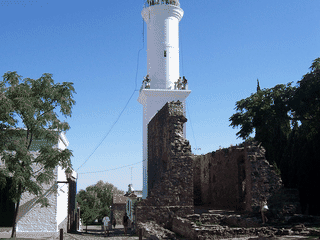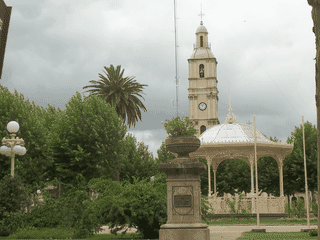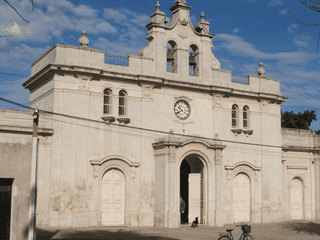
Overview
Carmelo offers a quiet base for exploring Uruguay's wine country. Set aside an evening for sunset across the river toward Argentina.
River · Food · Quiet · Beach
Did you know?
- Bodega El Legado offers winery visits and wine tastings.
- River-beach sunsets face across the water toward Argentina.
- The summer theater bears the name Román Iturburúa.
Where it is
Carmelo is 68 km north of Buenos Aires.
Why Go
Carmelo is a compact riverside city in the Rio de la Plata region of Uruguay, popular for its wineries, golf courses, and coastline. The city has a surprisingly high density of gyms per inhabitant compared to the rest of Uruguay. It offers a quieter, wine-focused alternative to larger Uruguayan destinations, with excellent sunsets across the river toward Argentina.
Getting In
Buses connect Carmelo with Colonia, Montevideo, and other cities in Uruguay. Ferries operate from Tigre, Argentina, providing access across the Rio de la Plata. Travelers coming from Argentina can reach Carmelo by ferry, while those arriving overland from within Uruguay typically use the bus network.
Getting Around
Carmelo's compact city center is walkable. However, several attractions lie in the surrounding area, including natural pools and wineries, making a car or motorcycle helpful for visitors wanting to explore beyond the immediate downtown.
When to Go
Carmelo can be quite hot in summer months. The spa towns of Paysandú and Salto to the north can feel particularly hot during summer. Winter months offer milder temperatures for winery visits and outdoor activities. Nearby Colonia is described as picturesque year-round.
Things to Do
Carmelo offers yacht club facilities, river beaches, and winery experiences. The city has a summer theater called Teatro de Verano Román Iturburúa. Visitors can watch sunsets from the riverside beach—the best reportedly in town with Argentina visible across the water. Natural pool areas called Canteras, with 10-20 meter jumps, are located northeast of Carmelo, along with several smaller pools accessible 4.5 km from the center.
Food and Drink
Despite being a small city, Carmelo surprisingly has many bars. The area is wine country, with Bodega El Legado offering free winery visits and wine tastings with bottles for sale. Local wine culture is central to the city's identity, with Uruguay's wine region reputation growing among regional travelers.
Go Next
Nearby destinations include the picturesque Colonia to the southwest, the historic town of Fray Bentos, and the spa towns of Paysandú and Salto. Heading inland, Grutas del Palacio offers cultural landscape interest. For travelers heading to Argentina, the first stop can be Gualeguaychú (famous for carnival and hot springs) or crossing by ferry to Buenos Aires or Tigre (gateway to Paraná Delta tours).
Guide text adapted from Wikivoyage contributors under CC BY-SA 4.0.
Where to start
See
Capilla San Roque
A chapel built in 1869.
See
Puente de Carmelo
A swing bridge (puente giratorio) built in 1912. An example of German engineering, but considering the fixed power cables at its exterior, it is probably not operated very often.
See
Teatro Uamá
A theater whose name means "friend" in the extinct Chaná language that was once spoken in Uruguay.
See
Teatro de Verano "Román Iturburúa"
See
Templo Histórico del Carmen
Built in 1830. It is being renovated.
Do
Bicycle
Carmelo Hostel rents bicycles.
Price when recorded: U$250 morning to evening
Do
Bodega El Legado
Winery offering free visits, excellent bottles of wine for sale, and dégustation.
Do
Canteras
Ever fancied a 20 or 10 m jump? This is where you can do it. It is a kind of natural pool of former quarries. There are three to four northeast of Carmelo.
Before you go
Activities
Winery visits, beach sunsets, and swimming at natural quarry pools northeast of town. Golf courses are available for visitors.
Transport
Buses connect Carmelo to Colonia and Montevideo. Ferries cross to Tigre, Argentina. Within the city, walking is sufficient for downtown; a vehicle helps reach wineries and natural pools.
Weather
Summers can be quite hot. Winter offers milder conditions ideal for outdoor sightseeing and wine tourism.