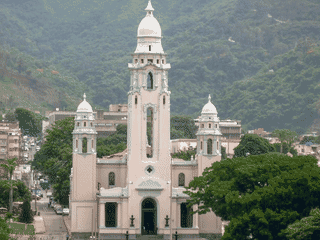

Overview
Caracas offers art museums, Plaza Bolívar and the UNESCO-listed Universidad Central de Venezuela. El Ávila adds mountain walks and cable-car views above the city.
Architecture · Food · Mountains · Museums · Nightlife
Did you know?
- The Teleferico climbs into Ávila Mountain above the city.
- Universidad Central de Venezuela appears on UNESCO's World Heritage list.
- Sabana Grande concentrates restaurants and street food.
Where it is
Why go?
Caracas is a cosmopolitan city with excellent food, cultural diversity, and a perfect climate due to its high elevation near the Caribbean. It offers a fascinating mix of modern architecture, colonial history, and bustling nightlife, though it is not a top tourist destination and requires caution.
When to go
Caracas has a tropical climate with little temperature variation; average highs around 28°C year-round. The rainy season runs from May to November, often with electrical storms. Winter temperatures are only slightly cooler.
Get around
The Caracas metro is clean, modern, safe, and extremely cheap. Taxis should be agreed upon before riding; bargaining is acceptable. Minibuses (por puestos) run along main roads but are more expensive and less safe. The metro is preferred during peak hours.
Things to do
Highlights include riding the Teleferico cable car up Avila Mountain for panoramic views, hiking in El Avila National Park, and visiting the Museo de Bellas Artes, Plaza Bolivar, and the Universidad Central de Venezuela (UNESCO World Heritage). Paragliding tours are available from Colonia Tovar.
Eat and drink
Local specialties include arepas (corn cakes with fillings) at El Granjero del Este, pabellon criollo, and cachapas. Sabana Grande offers many restaurants and street food. Nightlife ranges from salsa clubs like El Maní Es Así to exclusive clubs in Las Mercedes.
Where to stay
Caracas lacks hostels; budget options include Hotel Cristal (around US$4) and Hotel Lincoln Suites (around US$30) in Sabana Grande. Mid-range hotels like Hotel Coliseo (~US$50) are available. Luxury options include Meliá Caracas. Many hotels offer hourly rates (love hotels).
Stay safe
Caracas is considered one of the world's most dangerous cities due to violent crime. Avoid barrios (shantytowns) and dress like locals (jeans, t-shirt). Carry a decoy wallet with small bills. Kidnapping is a risk for upper-class Venezuelans but less for travelers. Police corruption is common; use Chacao police (tan yellow uniforms) if needed.
Connect
Internet cafes and call centers are available. Free WiFi can be found at Pizzeria Va Bene on Sabana Grande. There are no specific mobile operators mentioned.
Go next
Day trips include La Guaira (historic port), Macuto, Caraballeda, Naiguatá (surfing), Catia La Mar, and El Hatillo (colonial architecture). Beaches are popular with locals but less pristine than those in Choroni or Morrocoy.
Guide text adapted from Wikivoyage contributors under CC BY-SA 4.0.
Where to start
Eat
Aranjuez
One of the older steak houses in Caracas, with top quality Argentine and Venezuelan cuts of beef.
Eat
Avila Tei
Excellent, if costly, Japanese restaurant.
Eat
Bar Basque
Caracas has a large Basque immigrant community and many excellent Basque restaurants. Bar Basque is the pick of the litter. Run by the same family for half a century, it's a legendary hangout for the politically connected. As in all Basque restaurants, the menu focuses on seafood. Superlative food. Expensive. Only a few tables, reservations required.
Eat
Cafe Monsieur
French food in Caracas. Great desserts. Excellent menu. Recommended.
Eat
Cafe Ole
This open air candlelight cafe is a popular haunt for after dinner cafe and some excellent desserts.
Eat
Cafe-Trattoria Mediterraneo
Great retro decor, and a minimal but excellent menu. Recommended.
Eat
Café Ole
Eat
Café Tribus Cultural
This is one of the best places to have a coffee in Caracas. Try Chocobananas. Excellent menu. A really exotic place. Excellent prices.
Price when recorded: Mid-range
Before you go
Connectivity
Free WiFi available at Pizzeria Va Bene on Sabana Grande. Internet cafes are common.
Money
Most ATMs require the last two digits of a local ID; type 00 for foreign cards. CitiBank ATMs do not ask this. Taxi fares must be negotiated upfront.
Safety
Caracas is extremely dangerous; avoid barrios and wear plain clothes. Carry a decoy wallet. Police are often corrupt.
Transport
The metro is cheap and safe. Taxis are unmetered; agree on fare beforehand. Minibuses (por puestos) are less safe.