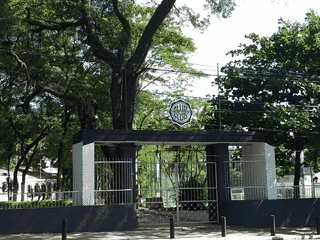

Asunción
South America · Paraguay
Did you know?
- Self-serve lunchtime restaurants sell meals by weight.
- The walkable historic centre lies between Colón and Antequera streets.
- Carmelitas pairs shopping centres with North American-style bars.
See also
Areguá
Paraguay25.32°S 57.38°W · 70 m
Concepción
Paraguay23.40°S 57.43°W · 44 m
Overview
Asunción has a compact historic centre that lends itself to exploring on foot. Carmelitas offers a different atmosphere, with shopping centres and bars.
Languages: Guaraní, Spanish
Why go?
Asunción stands apart from better-known South American capitals like Buenos Aires, Quito, or Lima—it's genuinely off the beaten path. The Paraguayan capital has managed to preserve its colonial heritage and quiet atmosphere while developing a thriving commercial scene, rich cultural offerings, and active nightlife. Visitor numbers are rising, and those who make the journey discover an authentic city where 65% of the 2.2 million residents are under 30, creating a young, cosmopolitan energy.
Adapted from Wikivoyage contributors · CC BY-SA 4.0
Getting in
Silvio Pettirossi International Airport (IATA: ASU) handles international flights, while the Terminal de Omnibus de Asunción connects the city to destinations across Paraguay and beyond by bus. The city sits on the Paraguay River with port connections to Argentina and Brazil, though river transport is limited for tourists. Bus terminal is at the junction of Avenida Fernando de la Mora and Avenida República Argentina, with city buses (N°8, N°38 among many others) connecting to downtown.
Adapted from Wikivoyage contributors · CC BY-SA 4.0
Getting around
The historic centre between streets Colón and Antequera is compact enough to explore on foot. The Carmelitas area has become a retail and entertainment hub with large shopping centres and North American-style bars. East-west street names change at Independencia Nacional, and North-South ones at Avenida Mariscal López. The Botanical Garden (Jardín Botánico) and other attractions lie outside the central core and require transport.
Adapted from Wikivoyage contributors · CC BY-SA 4.0
When to go
Asunción sits just south of the Tropic of Capricorn with subtropical climate. Between November and March (South American summer), temperatures consistently exceed 38°C with high humidity—brutally hot. The weather changes frequently: baking sun followed by heavy rains that drop temperatures sharply. From July to September, the city blooms with prolific pink and yellow lapacho trees. The siesta tradition (everything closes at noon) makes sense once you've experienced the summer heat. Dinner comes late and nightlife extends into early morning hours.
Adapted from Wikivoyage contributors · CC BY-SA 4.0
Where to stay
The lodging scene has greatly improved in recent years. Hostels began opening a decade ago, particularly in old colonial houses of the historic centre. New modern hotels—including international luxury brands—cluster in the business district along Avenida Aviadores del Chaco and Avenida Santa Teresa. The highest concentration of options from budget to splurge can be found in the historic city centre and new business district. Budget travellers can find cheaper options near the bus terminal, but city centre offers better value. Dorm beds start around US$9, while double rooms in hostels range US$30-50.
Adapted from Wikivoyage contributors · CC BY-SA 4.0
Food and drink
Lunchtime offers no shortage of cheap restaurants—self-serve pay-by-weight places are particularly economical, while daily menu restaurants cost slightly more. At dinner time, options narrow considerably, making budget-conscious eating more challenging. The city has diverse dining: Lido Bar (est. 1954) near Plaza de los Heroes is famous for its fish soup (sopa pescado), while El Bolsi operates 24 hours since 1960. Korean buffet at Seoul near Plaza de los Heroes offers vegetarian options. Mercado 4 along Avenida Silvio Pettirossi provides chaotic, cheap street food alongside some Chinese restaurants.
Adapted from Wikivoyage contributors · CC BY-SA 4.0
Things to do
Historical attractions include the National Congress (built 2002 with $20 million Taiwan donation), Palacio de López (government palace, lit at night), and Casa de la Independencia (1772 building where independence was planned). Centro Cultural El Cabildo occupies a former Congress Palace with weekend hours and indigenous art exhibits. Museo del Barro displays Paraguay's best art from pre-colonial ceramics to contemporary works. For outdoor activities, Parque Ñu Guazú offers a 9-km jogging loop just outside the city in Luque, while Jardín Botánico provides peaceful paths and colonial architecture in Madame Lynch's house.
Adapted from Wikivoyage contributors · CC BY-SA 4.0
Safety
Asunción is one of the safer capitals in South America—violent crime is very uncommon, and since few tourists visit, you're unlikely to be specifically targeted. However, petty theft occurs on crowded buses (watch your pockets), and taxi drivers may try to overcharge (always insist on the meter). Pickpocketing is prevalent in downtown streets near expensive hotels. After dark, avoid main outskirt avenues and the oldest city centre near the port. The Chacarita area by the river is extremely impoverished and dangerous—avoid it entirely. Women travellers report unwanted attention from men, usually catcalling but occasionally touching; being firm and ignoring attention works best. Crossing streets requires extreme caution—drivers treat stop signs and traffic lights as suggestions, and buses stop for almost nothing.
Adapted from Wikivoyage contributors · CC BY-SA 4.0
Connectivity
Many restaurants, shopping malls, and some public squares offer free Wi-Fi. Mobile data is available through Paraguayan carriers. The city uses Type C/Paraguay plugs (similar to European standard) with 220V electricity. English is not widely spoken outside hotels and tour operators—basic Spanish phrases are essential for getting by. Public transportation and street signs are in Spanish only.
Adapted from Wikivoyage contributors · CC BY-SA 4.0
Budget
Paraguay offers remarkably cheap goods and services, especially electronics. However, be cautious: some items may be refurbished, pirated, or smuggled—always request legitimacy or warranty certificates. Downtown commercial activity closes Saturday afternoon through all Sunday, but Villa Morra, Carmelitas, and the Business District remain active on weekends with shopping centres, boutiques, cafés, and cinemas. Daily budgets of US$25-40 can cover basic accommodation, meals at cheap restaurants, and local transport. Hostel dorms start at US$9, while self-serve restaurants offer good value.
Adapted from Wikivoyage contributors · CC BY-SA 4.0
Day trips
The Circuito de Oro (Golden Circuit) visits historical towns: San Lorenzo, Yaguarón, Caacupé, Pirayú, and Sapucai. Aregüá, a lakeside town about 20 km away, offers a relaxed atmosphere accessible by bus at standard fares. San Bernardino on Lago Ypacarai is Paraguay's liveliest summer beach destination, originally settled by German immigrants with some surviving architecture—water sports fill the lake from December to February. San Lorenzo houses the Museo Etnografico Guido Bogiani with indigenous wood carvings and feather pieces. For countryside immersion, Estancia visits offer horseriding, fishing, swimming, and nature walks; APATUR lists high-standard options at around 80 US$ per night including all food and activities (book through TACP at 021-210 550).
Adapted from Wikivoyage contributors · CC BY-SA 4.0
Go next
South toward Encarnación to explore Jesuit ruins and churches along the Jesuit trail, including Santa María de Fe where women embroider in a sisterhood community. North toward the Chaco region for wildlife and indigenous culture experiences. East toward the Jesuit missions around San Ignacio for UNESCO-listed colonial ruins. The bus terminal offers connections throughout Paraguay and to destinations in Argentina, Brazil, and Bolivia.
Adapted from Wikivoyage contributors · CC BY-SA 4.0
Field guide adapted from Wikivoyage contributors · CC BY-SA 4.0. Text has been adapted and organized for this guide. About our sources.
Places to know
A few starting points from the guide. Check current hours and prices before you go.
- eat
Acuarela
Brazilian-style barbecue and steak restaurant.
Adapted from Wikivoyage contributors
- eat
Bar San Roque
One of the oldest restaurants in town. A mix of traditional and fine cuisine. Excellent food and service in a very traditional feeling atmosphere. Really fantastic beer on tap served in their chilled Oktoberfest steins.
Adapted from Wikivoyage contributors
- eat
Burger King
If you fancy something you know. Also, open in the evening.
Adapted from Wikivoyage contributors
- eat
El Bolsi
Opened in 1960, it's one of the oldest restaurants in town. It has a café and pastry section, and a separate restaurant section. Also, an outdoor section on the sidewalk is pleasant in the evenings. International and local dishes. Very popular among locals and tourists.
Adapted from Wikivoyage contributors
- eat
Hacienda Las Palomas
Really good Mexican food (not "chips & salsa Tex-Mex"). The margaritas are particularly good, but the food is even better.
Adapted from Wikivoyage contributors
- eat
Lido Bar
Established 1954 in the style of a contemporary American cafe-bar, Lido Bar has hardly changed. It was the first place Anthony Bourdain visited when he made his tv program on Paraguayan food. All the customers sit around a big circular bar. The menu offers Paraguayan foods, pasta, meat and a selection of desserts and fruit juices. The fish soup (sopa pescado) is famous and recommended. Very popular during peak times, particularly lunch and dinner.
Adapted from Wikivoyage contributors
- eat
Seoul
Korean buffet, with many vegetarian options where you fill your plate and pay per weight.
Adapted from Wikivoyage contributors
- eat
Shangri-La
Good Chinese food.
Adapted from Wikivoyage contributors
Before you go
Connectivity
Free WiFi in restaurants, malls, and public squares. English limited outside hotels. Basic Spanish essential for daily interactions.
Culture
Officially bilingual (79% Spanish, 20% Guaraní). Locals appreciate attempts at Spanish. Younger generations and business people have some English. Restaurants typically have Spanish-only menus.
Health
CDC recommends typhoid vaccination. Dengue fever is a frequent risk with no vaccine—use bug spray at all times. Mosquitoes are pervasive.
Money
US dollars are widely accepted alongside Paraguayan guaraní. ATMs available throughout the city. Electronics are particularly cheap but verify warranty certificates.
Safety
One of South America's safer capitals. Watch for petty theft on buses and taxi overcharging. Avoid Chacarita riverside area and downtown streets near hotels after dark. Women should expect unwanted attention.
Transport
Historic centre walkable. City buses N°8, N°38 connect terminal to downtown. Taxi drivers may overcharge—always insist on meter.
Weather
Subtropical heat from November-March exceeds 38°C. July-September brings spectacular pink lapacho tree blooms. Siesta culture (noon closures) is real—restaurants close for dinner.