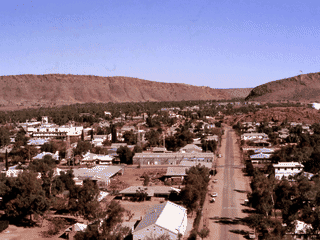

Overview
Alice Springs is the heart of Central Australia, shaped by cavernous gorges, boundless desert landscapes, remote Aboriginal communities, and pioneering history. It is a travel hub for regional sights and hikes including Uluru, Kata Tjuta, and Kings Canyon.
Desert · Day Trips · Culture · Trekking · History
Did you know?
- Public buses, walking, bikes, driving, and taxis are all options around town.
- The area is a travel hub for sights and hikes around Uluru, Kata Tjuta, and Kings Canyon.
- Summer temperatures can exceed 43°C.
Where it is
Why go?
Alice Springs is the heart of Central Australia and consists of cavernous gorges, boundless desert landscapes, remote Aboriginal communities and a charming pioneering history. It embodies the hardy outback of the Northern Territory's Red Centre, and is a travel hub for sights and hikes in the region, such as Uluru, Kata Tjuta and Kings Canyon.
Getting in
Alice Springs is served by Alice Springs Airport (ASP) with flights from Adelaide, Brisbane, Darwin, Melbourne, Perth, and Sydney on Qantas and Virgin Australia. Budget flights from major cities can cost as low as $200 in summer. The Stuart Highway connects the town north to Darwin and south to Adelaide.
Getting around
There are public bus lines around town. You can also get around by foot, bike, drive, or take a taxi. Taxis can be scarce during peak hours. Uber is not available as of August 2022. A taxi from the airport to the centre is around $45.
When to go
The climate is mostly hot and dry in summer (Dec-Feb) with average daytime temperatures around 36°C, and cool and dry in winter (Jun-Aug). Summer temperatures can exceed 43°C. The tourist high season is April–October, when hostels charge normal rates; off-peak (October–March/April) hostels offer discounts.
Where to stay
Alice Springs has a range of accommodation from backpacker hostels like Alice Springs YHA (near Todd St in a former cinema), Alice's Secret Traveller Inn, and Alice Lodge Backpackers, to hotels like Chifley, Crowne Plaza, and the Desert Palms Resort ($99 per night). During the off-season (Oct-Mar), hostels often offer long-stay discounts.
Food and drink
Despite its size, Alice Springs has a varied restaurant scene. Todd Mall is the main street with pubs like Town and Country and Todd Tavern. Loco Burrito offers burritos for $10-$13. Bean Tree Cafe in Olive Pink Botanical Garden serves cafe fare. Liquor stores (bottle shops) open weekdays from 2PM-9PM, Saturdays 10AM-9PM; no takeout liquor on Sundays except at drive-thrus. The casino and clubs like Gillen Club have bars. Note: It is illegal to drink in public places; ID required for takeaway alcohol.
Things to do
Alice Springs has many attractions: Alice Springs Desert Park ($25), Olive Pink Botanical Garden (free), the Reptile Centre, Telegraph Station Historical Reserve ($15), Old Ghan Heritage Railway ($12), Road Transport Hall of Fame ($15), National Pioneer Women's Hall of Fame, and the Royal Flying Doctor Service. Do: watch sunset out of town, hot air ballooning, camel riding, visit Henbury Meteorites Conservation Reserve (free), Museum of Central Australia, and Totem Theatre. Annual events: Henley On Todd Regatta (third Saturday of August), Camel Cup (early July), Beanie Festival, Finke Desert Race, and Alice Masters Games.
Safety
Alice Springs has a relatively high crime rate. Alcohol-fuelled violence is a problem. Exercise extreme caution after 10PM. Todd Street is well-policed. Do not give money or food to those who ask, as it encourages begging. The Aboriginal Corporation discourages handouts.
Day trips
Many day trips from Alice Springs: Henbury Meteorites Conservation Reserve (145 km SW, free), Uluru (450 km SW, 4.5 hours drive), Kata Tjuta, Kings Canyon (Watarrka National Park, 300 km SW). The Telegraph Station Historical Reserve is just north of town. These require a car; some dirt roads need 4WD.
Go next
Major roads: Stuart Highway north to Darwin and south to Port Augusta; Larapinta Drive west to Uluru and Kings Canyon; Ross Highway east. Many dirt trails require 4WD. Do not enter Pine Gap without authorization.
Etiquette
Do not give handouts to those asking for money. Respect local Aboriginal culture. It is illegal to drink in public places. You need ID to purchase takeaway liquor. Do not purchase alcohol on behalf of people you do not know.
Guide text adapted from Wikivoyage contributors under CC BY-SA 4.0.
Where to start
Sleep
A Good Rest B&B
Sleep
Alice Lodge Backpackers
Sleep
Alice Motor Inn
Sleep
Alice Springs YHA
Near Todd St in a former cinema. Clean, has a pool but no aircon in the rooms.
Sleep
Alice in the Territory
It has a nice quiet location and a really good view of the ranges, and underwent an extensive overhaul in 2010.
Sleep
Alice on Todd
Sleep
Alice on Todd Apartments
Sleep
Alice's Secret Traveller Inn
Before you go
Alcohol
Drinking in public illegal. ID needed for takeaway. Bottle shops open weekdays 2PM-9PM, Sat 10AM-9PM. No takeout Sun except drive-thrus.
Safety
High crime rate, especially after 10PM. Avoid walking alone late. Todd Street well-policed.
Season
High season April–October. Off-season hostels often cheaper.
Transport
Public buses available. Taxi from airport ~$45. No Uber.