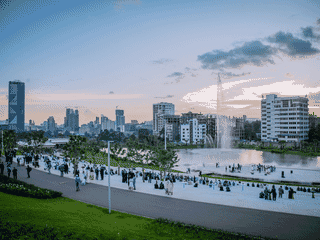

Addis Ababa
Africa · Ethiopia
See also
Overview
Addis Ababa, founded in 1886 by Emperor Menelik II, is Ethiopia's capital and a major diplomatic hub hosting the African Union. The city offers a blend of history, culture, and modern development, with museums, cathedrals, and a vibrant coffee culture.
Languages: Amharic
Why go?
Addis Ababa, founded in 1886 by Emperor Menelik II, is Ethiopia's capital and a major diplomatic hub hosting the African Union. The city offers a blend of history, culture, and modern development, with museums, cathedrals, and a vibrant coffee culture. Despite rapid growth, it remains a safe and accessible introduction to Ethiopia.
Adapted from Wikivoyage contributors · CC BY-SA 4.0
When to go
Addis Ababa has a subtropical highland climate with mild temperatures year-round (21-25°C highs, 7-11°C lows). The warmest months are February to May, but air conditioning is rarely needed. The rainy season is from June to September, with July and August being wettest. Diurnal temperature variation is high, so bring layers for evenings.
Adapted from Wikivoyage contributors · CC BY-SA 4.0
Get around
Very few streets have names, so use landmarks to navigate. The city has a light rail system built with Chinese help, which has improved connectivity. Taxis (line taxis) are common but can get crowded. Walking is feasible in central areas.
Adapted from Wikivoyage contributors · CC BY-SA 4.0
Talk
Amharic is the main language spoken. English is spoken by many young and affluent people, especially in the city centre, but with a heavy accent. Learning basic Amharic phrases is helpful.
Adapted from Wikivoyage contributors · CC BY-SA 4.0
Things to do
Key attractions include the National Museum (home to Lucy replica), Ethnological Museum, Holy Trinity Cathedral, St George's Cathedral, and the Red Terror Martyrs Memorial Museum. The Mercato is the largest outdoor market in the world. For activities, visit Entoto Mountain for views, or enjoy traditional coffee ceremonies. The light rail offers a scenic tour of the city.
Adapted from Wikivoyage contributors · CC BY-SA 4.0
Food and drink
Ethiopian cuisine centers on injera, a sour flatbread served with stews (wat). A meal for two can be as cheap as 15 birr. Try tej (honey wine) and tela (local beer). Coffee is a highlight; visit small coffee spots for 5 birr. International options include Italian, Indian, Yemeni, and Vietnamese restaurants.
Adapted from Wikivoyage contributors · CC BY-SA 4.0
Safety
Addis is safer than most African cities, but watch for pickpockets and con artists in crowded areas like Mercato and Piazza. Common scams include the spitting scam and overly friendly locals inviting you for khat. Use Federal Police for emergencies. Major streets are safe at night.
Adapted from Wikivoyage contributors · CC BY-SA 4.0
Cope
Drink only bottled water, avoid raw vegetables. Pollution from diesel vehicles and dust is high; consider a dust mask. Blackouts and water outages are frequent but brief. Be prepared for culture shock and persistent attention, especially if you are white.
Adapted from Wikivoyage contributors · CC BY-SA 4.0
Go next
Popular day trips include Adama and Sodere (120 km SE) for hot springs, Awash National Park (200 km E) for waterfalls and wildlife, and Ziway (162 km S) for birdwatching. Further destinations include Bahir Dar (550 km N) and Dire Dawa (11-hour train ride).
Adapted from Wikivoyage contributors · CC BY-SA 4.0
Learn
Addis Ababa University is the largest and oldest university in Ethiopia. It also houses the Ethnological Museum. There are other private colleges and theological schools.
Adapted from Wikivoyage contributors · CC BY-SA 4.0
Work
There is high demand for IT professionals, and many NGOs are based here. Unemployment is low. Expats often work in NGOs and IT start-ups.
Adapted from Wikivoyage contributors · CC BY-SA 4.0
Field guide adapted from Wikivoyage contributors · CC BY-SA 4.0. Text has been adapted and organized for this guide. About our sources.
Places to know
A few starting points from the guide. Check current hours and prices before you go.
- eat
2000 Habesha Cultural Restaurant
One of Addis Ababa's famous cultural restaurants, it has traditional singing and dancing at night. If you're feeling brave, try the gored gored (cubes of heavily salted and spiced raw beef). Waiters are well mannered and kind, and most are very talented dancers. Features a large buffet with many kinds of wat/wot (Ethiopian stew), injera, shiro, vegetables, and other dishes. Their "fasting" menu (meatless or vegan dishes typically served to religiously observant diners) is excellent and will satisfy most vegetarians and vegans.
Adapted from Wikivoyage contributors
- eat
Aladdin restaurant
Armenian and Mediterranean restaurant. Serves fine Middle-Eastern food, various mezzes including a gorgeous tabbouleh. In quiet atmosphere, perfect for a romantic diner. Very expensive but authentic and delicious.
Recorded price: 290 birr
Adapted from Wikivoyage contributors
- eat
Antica
Decent pizza, and one of the only delivery services available in Addis that does not require bulk orders. Pizza tends to arrive cold.
Adapted from Wikivoyage contributors
- eat
Asli Mendi Ethio-Arabic Restaurant
Yemeni-style cuisine, decorated as a Bedouin tent, quiet ambiance.
Recorded price: 190 birr
Adapted from Wikivoyage contributors
- eat
Bruno's
A quiet, tucked-away Italian restaurant, it has some of the best pizza in the city, on a beautiful compound. Parking is extremely limited both on the street and within the restaurant; if you plan on dining in, take a taxi.
Adapted from Wikivoyage contributors
- eat
Café du Louvre
A French restaurant decoration them on old Paris. Special dish is Coucous every Thursday for 350 birr. In 2020 the hotel was a pleasant spot but the food was not exciting best to come here for red wine and cheese.
Recorded price: 220 birr
Adapted from Wikivoyage contributors
- eat
Castellis in Piazza
Top Italian restaurant here since 1942. With famous guests such as Angelina Jolie and Brad Pitt there is a reason that Castelli's manages to attract such a crowd. This is where the Italian embassy staff goes to eat. Amazing food, amazing desserts, call for a reservation or risk disappointment, even at lunch time, as this is a trendy place to be seen.
Adapted from Wikivoyage contributors
- eat
China Bar and Restaurant
Chinese restaurant with various dishes and soups, sometimes pork is also available.
Recorded price: 260 birr
Adapted from Wikivoyage contributors
Before you go
Etiquette
Ask before taking photos of people. Remove shoes before entering churches.
Language
Amharic is main language; English spoken in central areas.
Money
Food is cheap; a meal for two can be as low as 15 birr. Bargaining is standard at markets. Credit cards accepted at some upscale hotels and supermarkets, but cash is king.
Safety
Safer than many African cities, but watch for pickpockets at Mercato, Bole Airport, and Piazza.
Transport
Light rail and taxis available; few street names, use landmarks.
Water
Drink only bottled water. Always check the seal on bottles.
Weather
Subtropical highland climate; pack layers for cool evenings. Rainy season June-September.